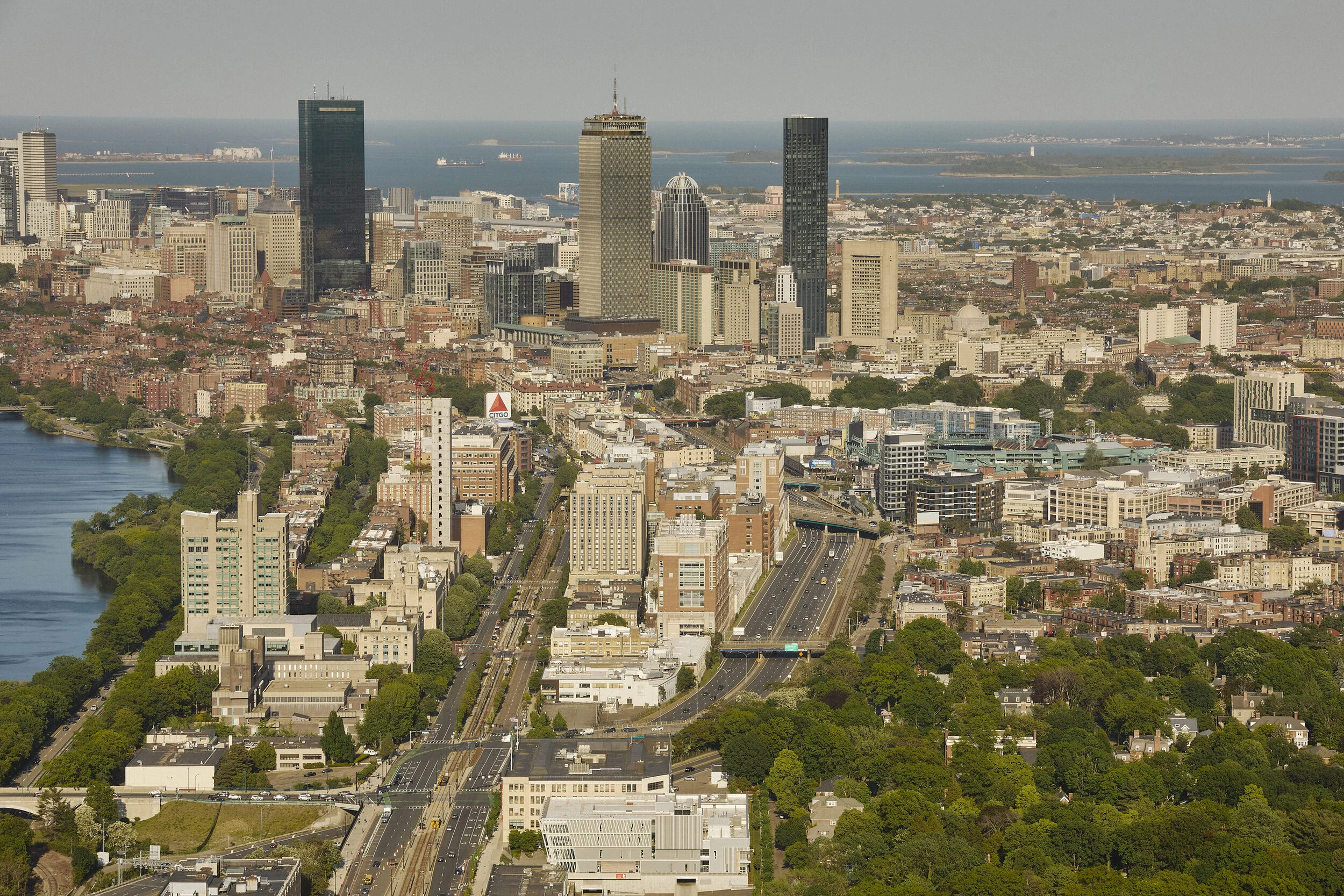
A Flight Over Boston
I can't believe I'm just getting around to sharing these. One of my favorite memories of photographing commercial properties around Boston was in the spring of 2021, perched high above in a tiny little glass and metal box with a propeller. I was out on assignment for Boston Urban, getting some sites shot for them. The sun couldn't have cooperated any better. I wish I had more time up there. Yes, the door was removed, and I sat there buckled in with two cameras hanging from my neck. And for one brief and heart-stopping moment, I noticed that one of the cameras had unbuckled my seatbelt. I fixed that real quick.
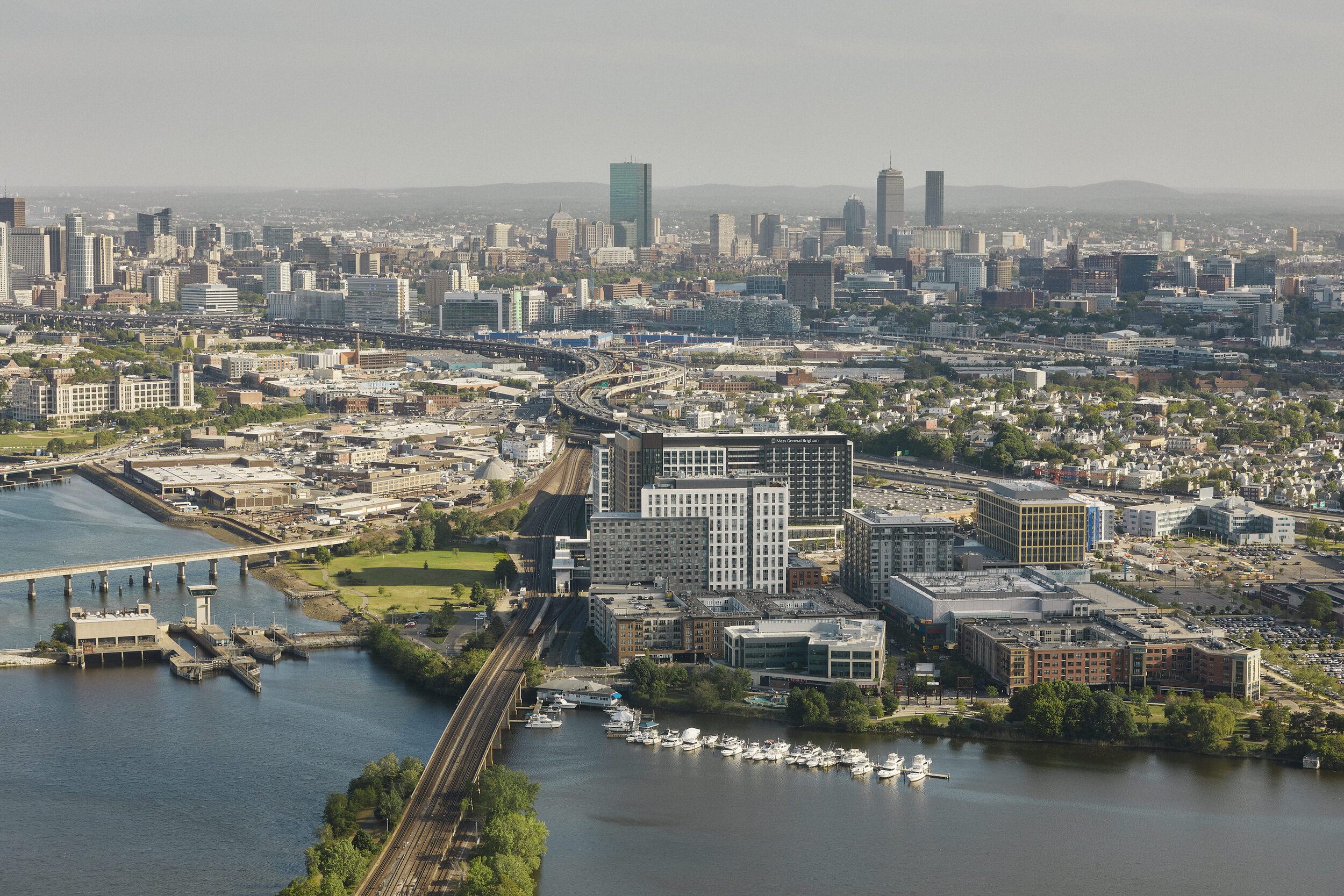
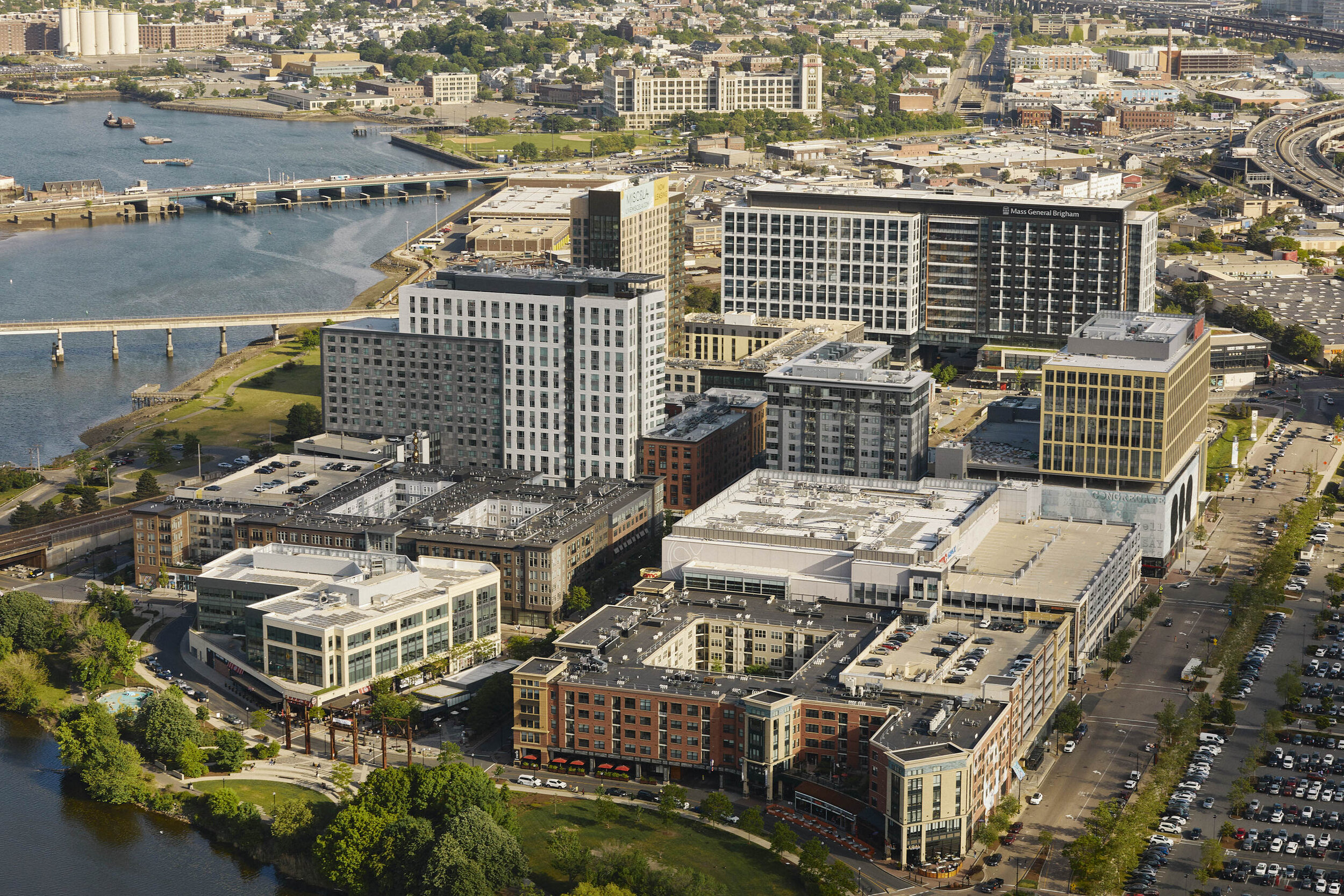

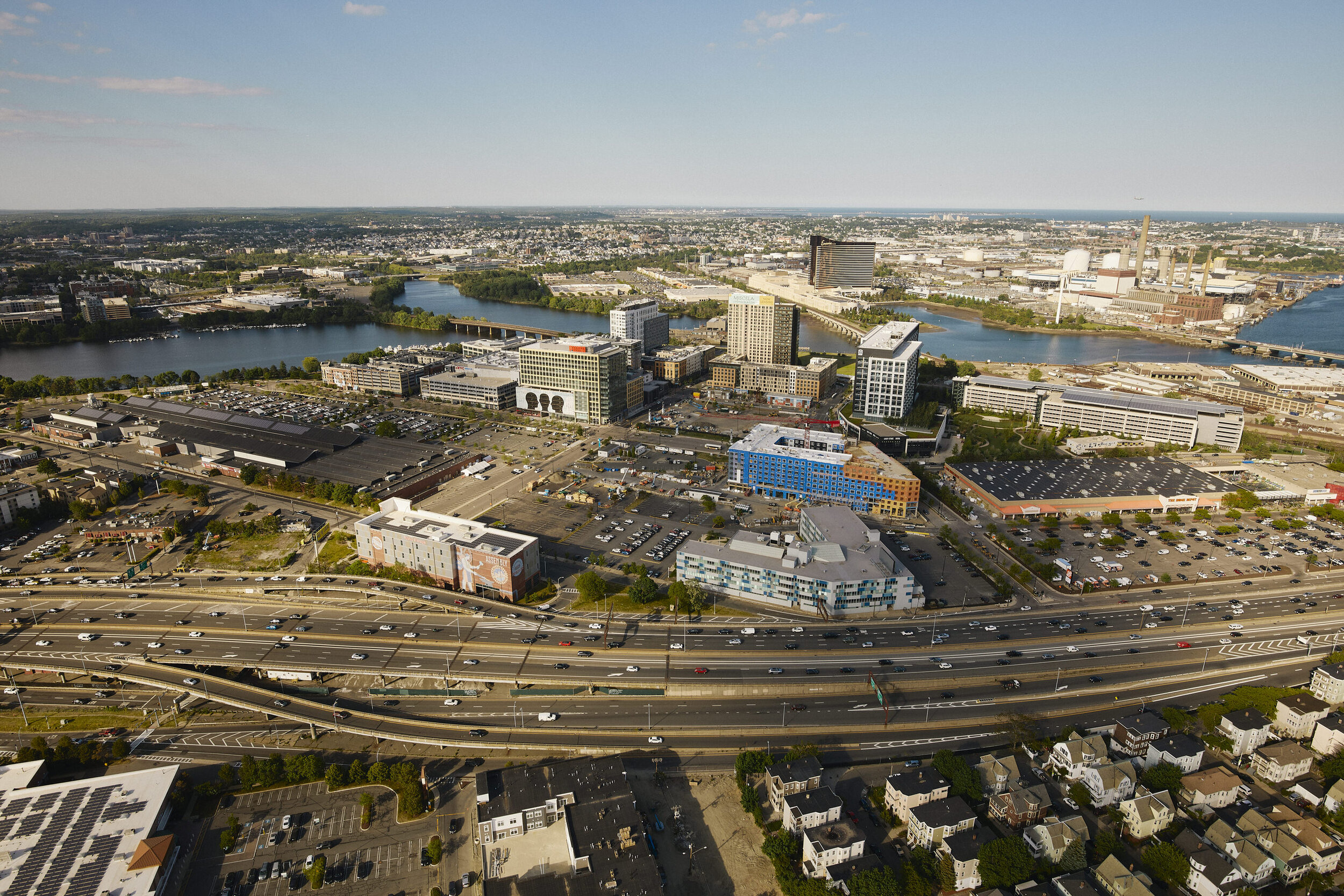
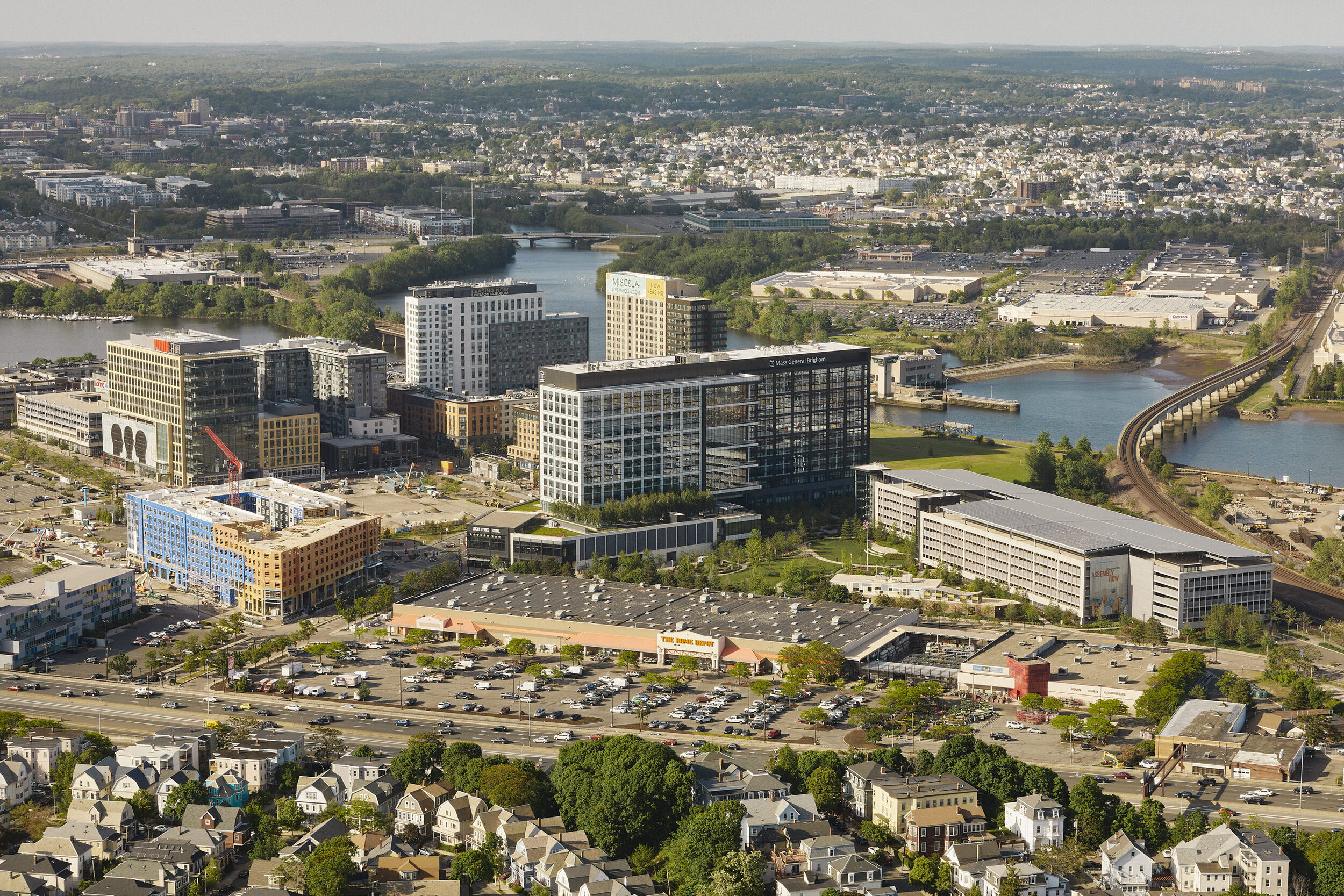
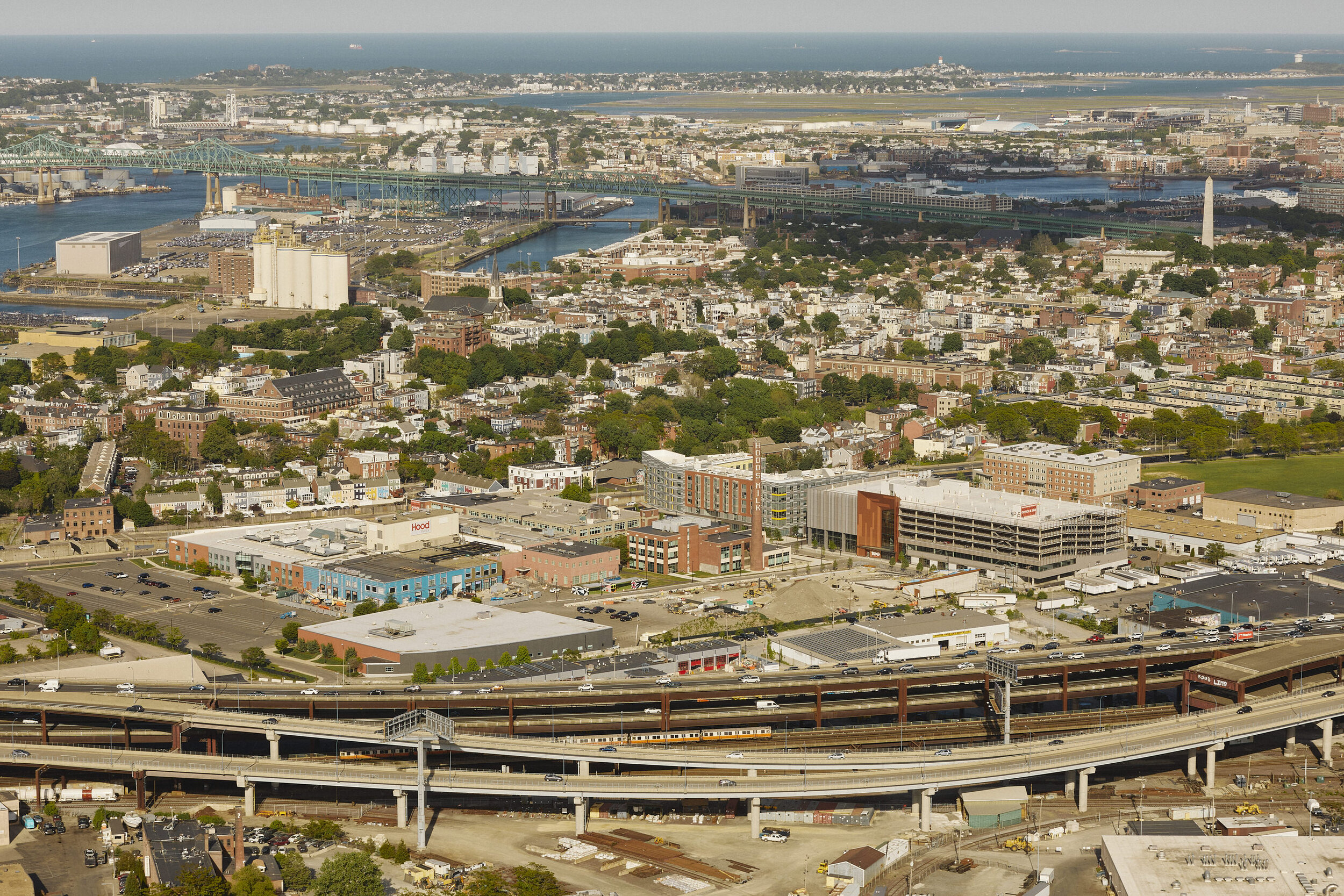
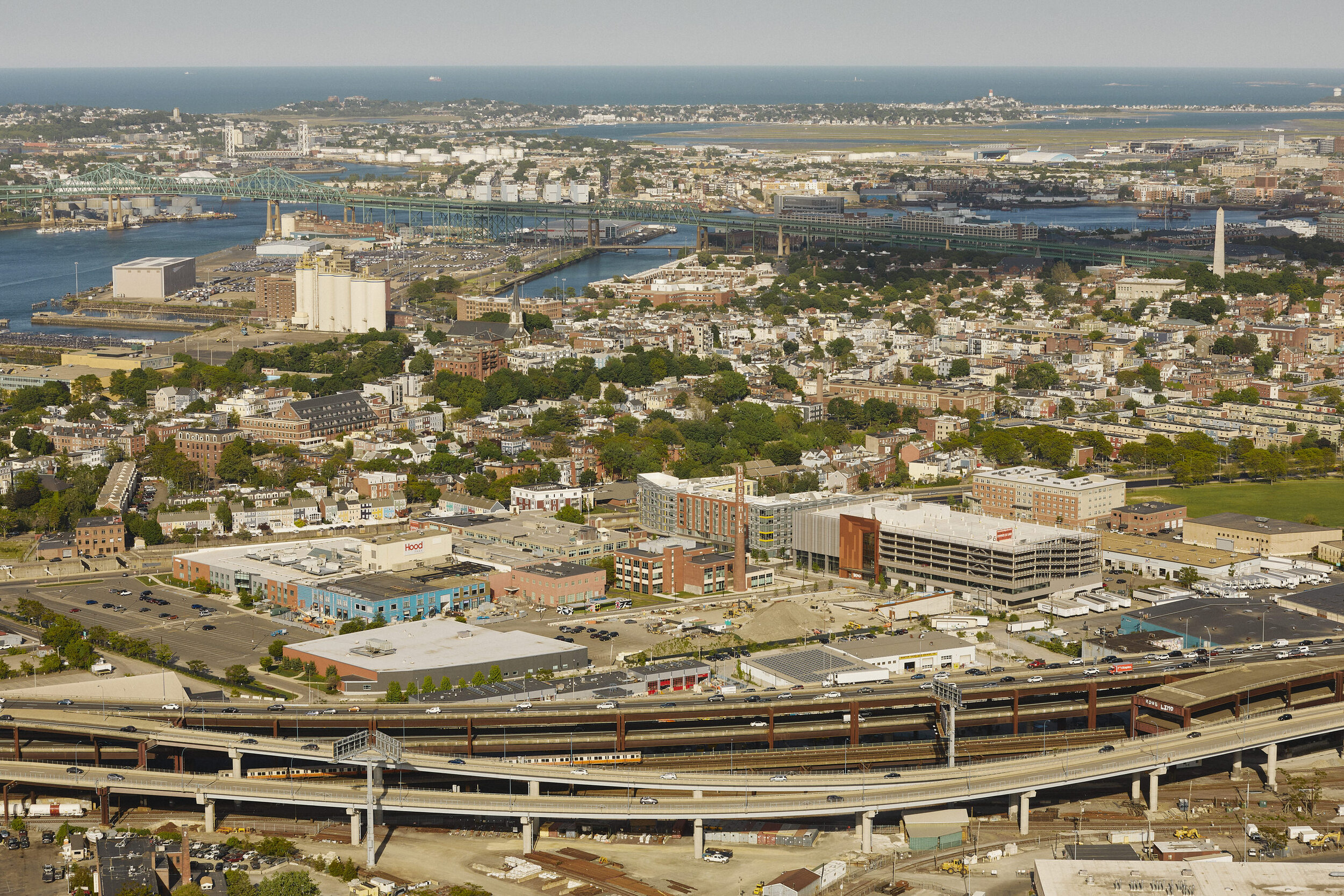
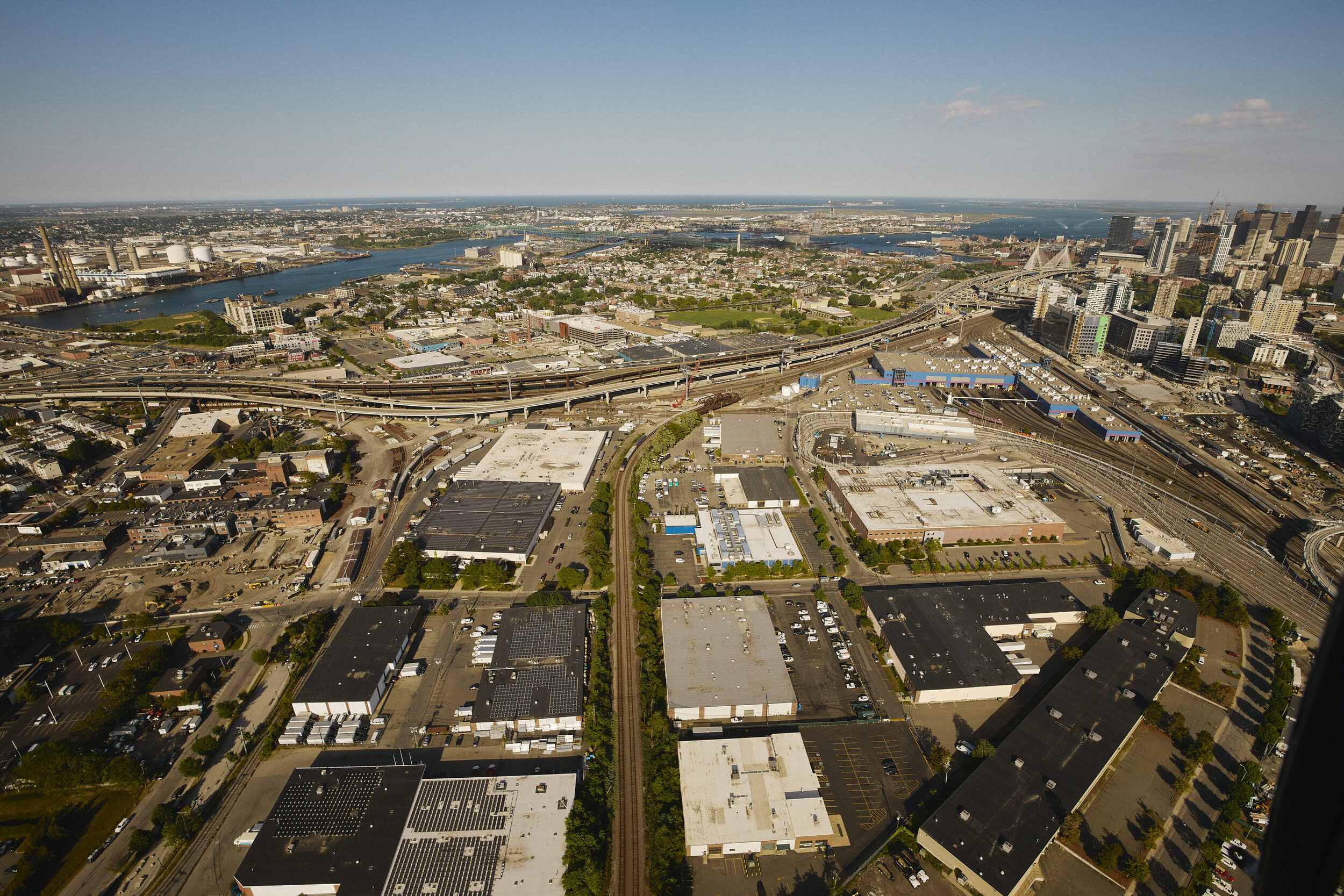
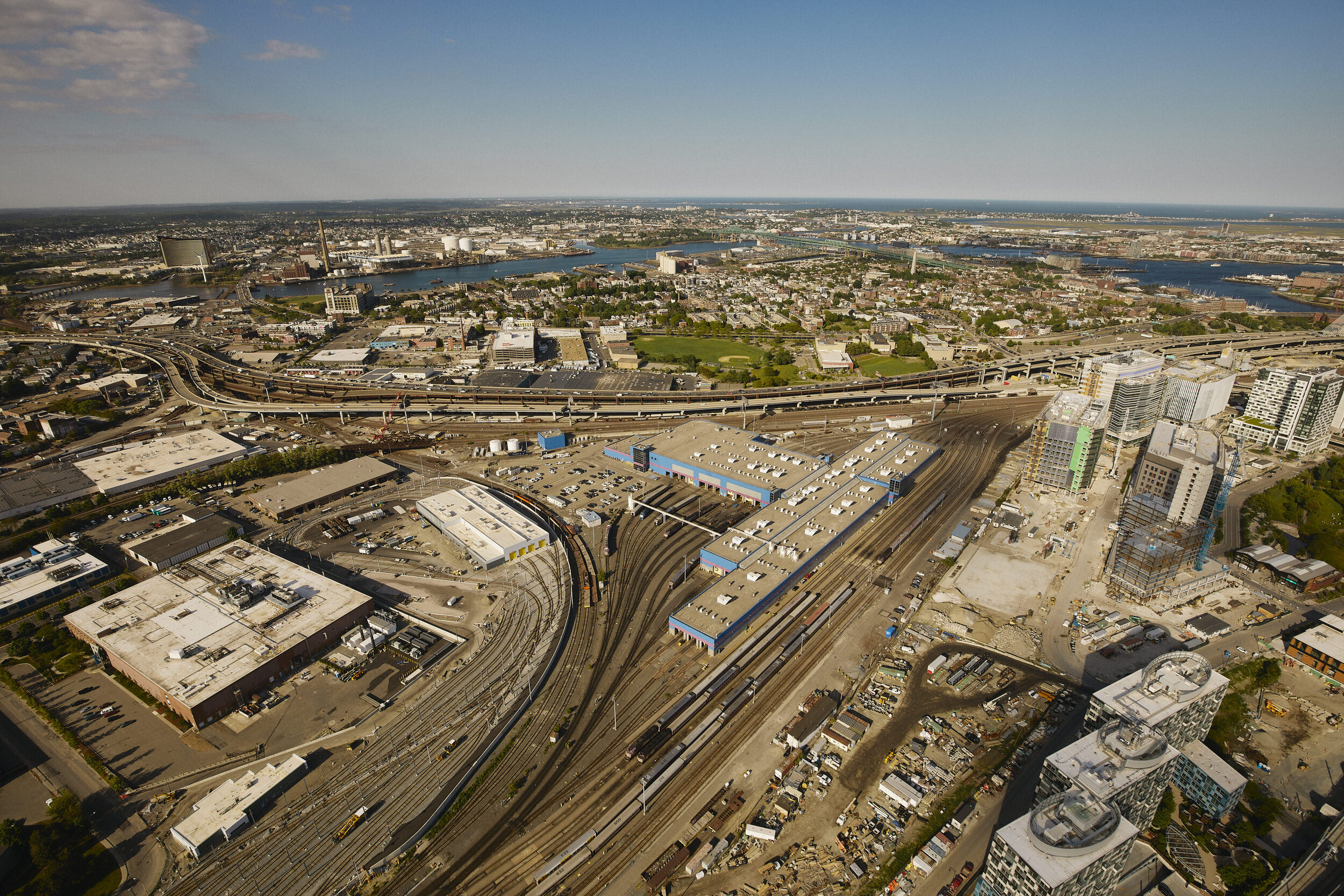
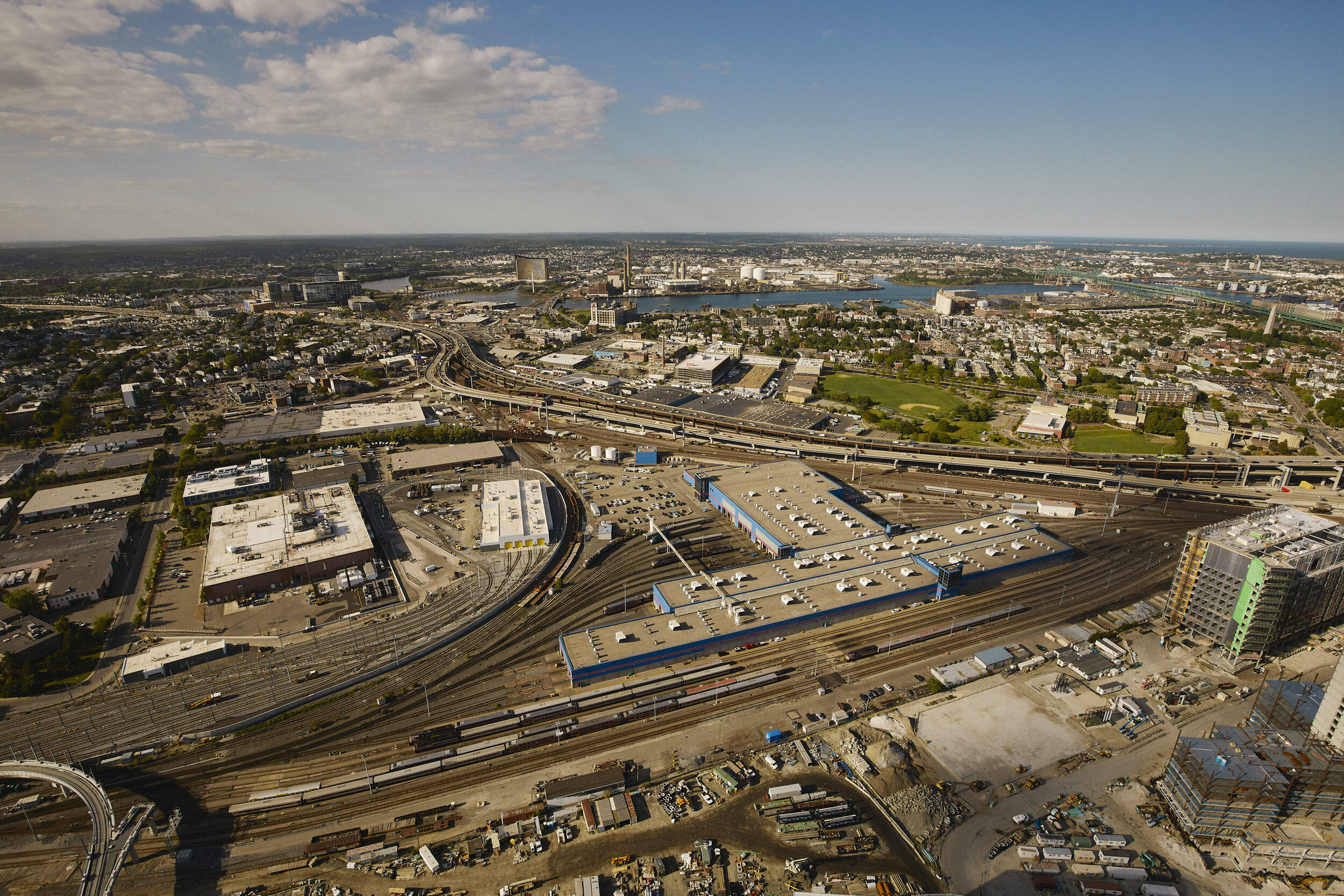
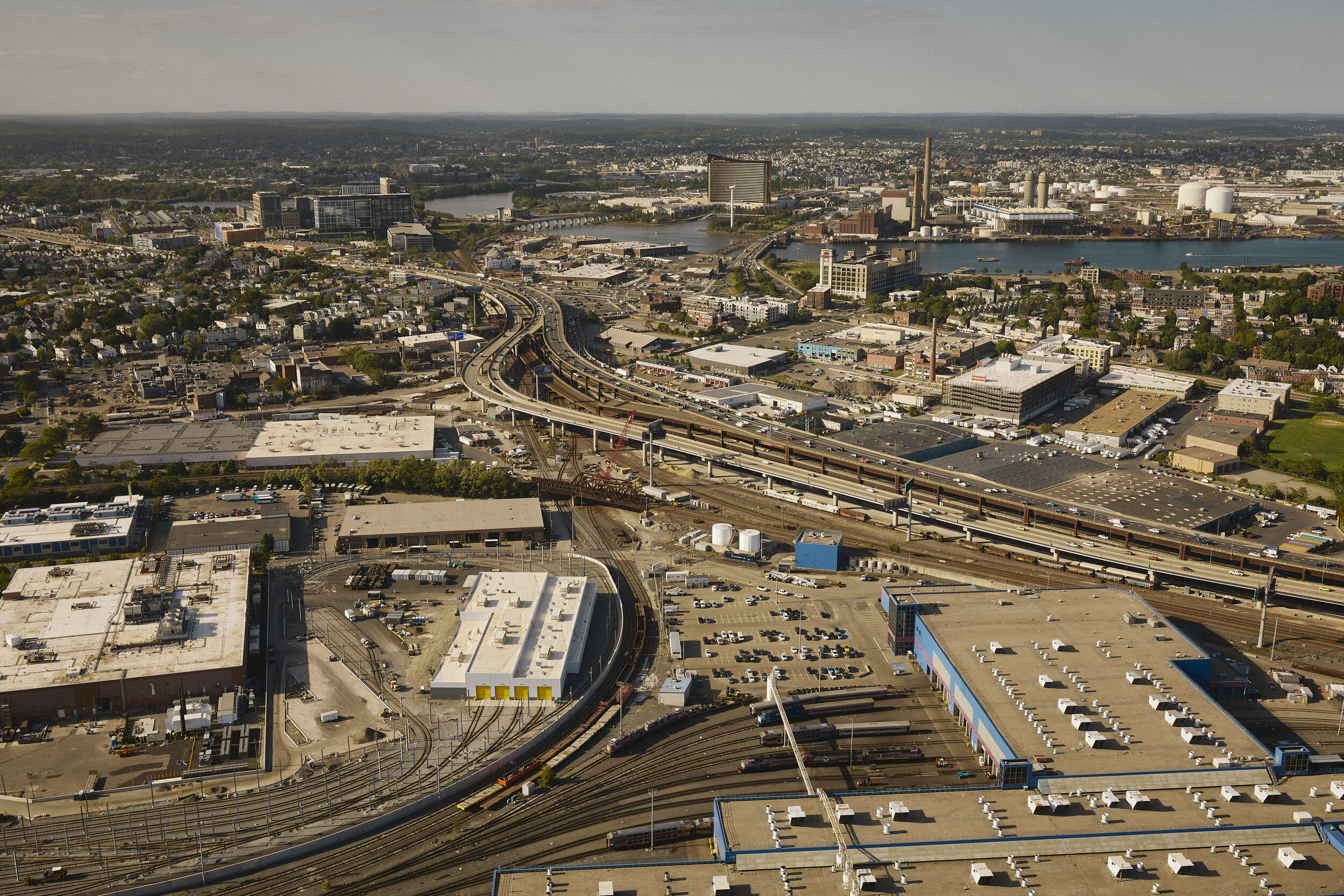
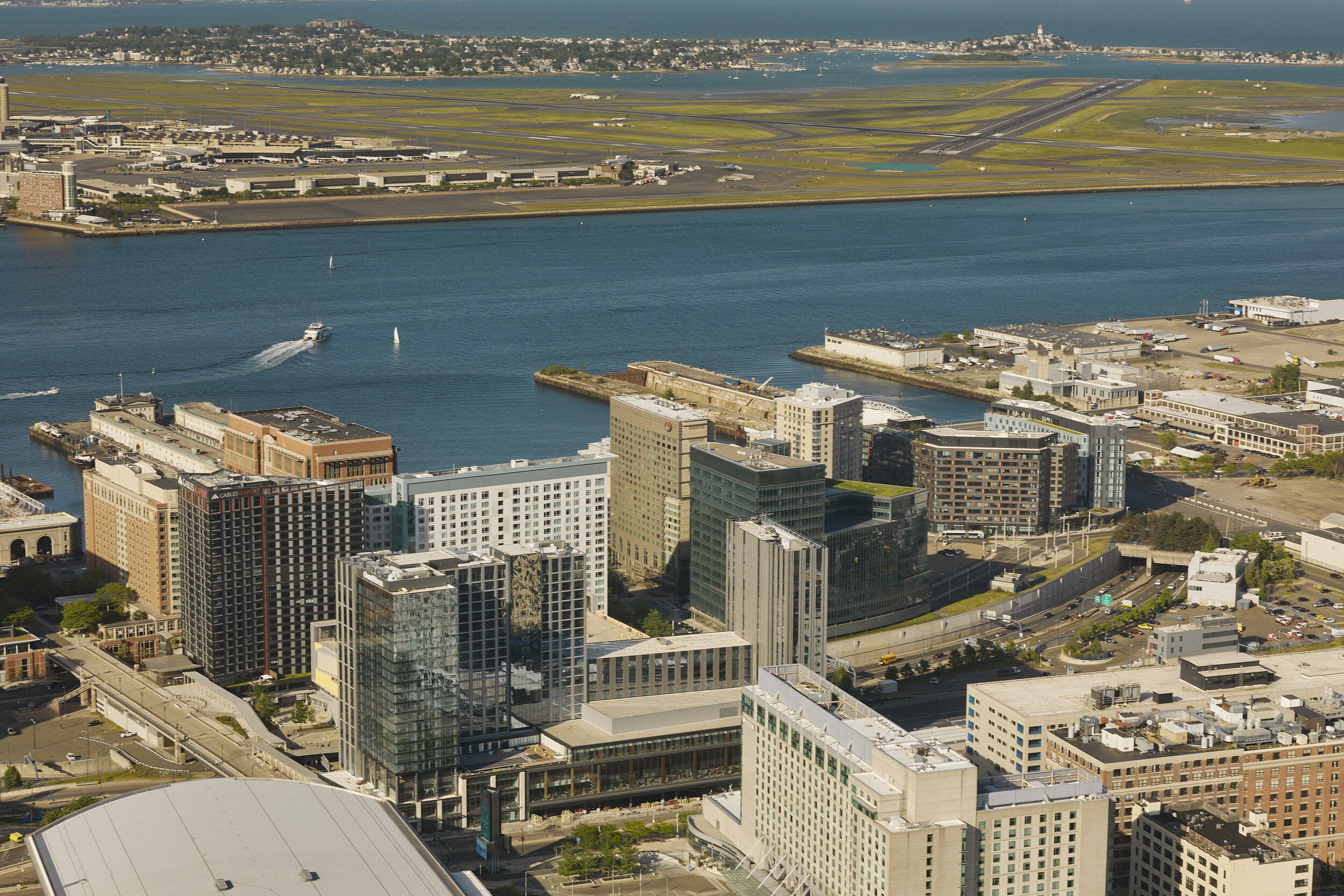
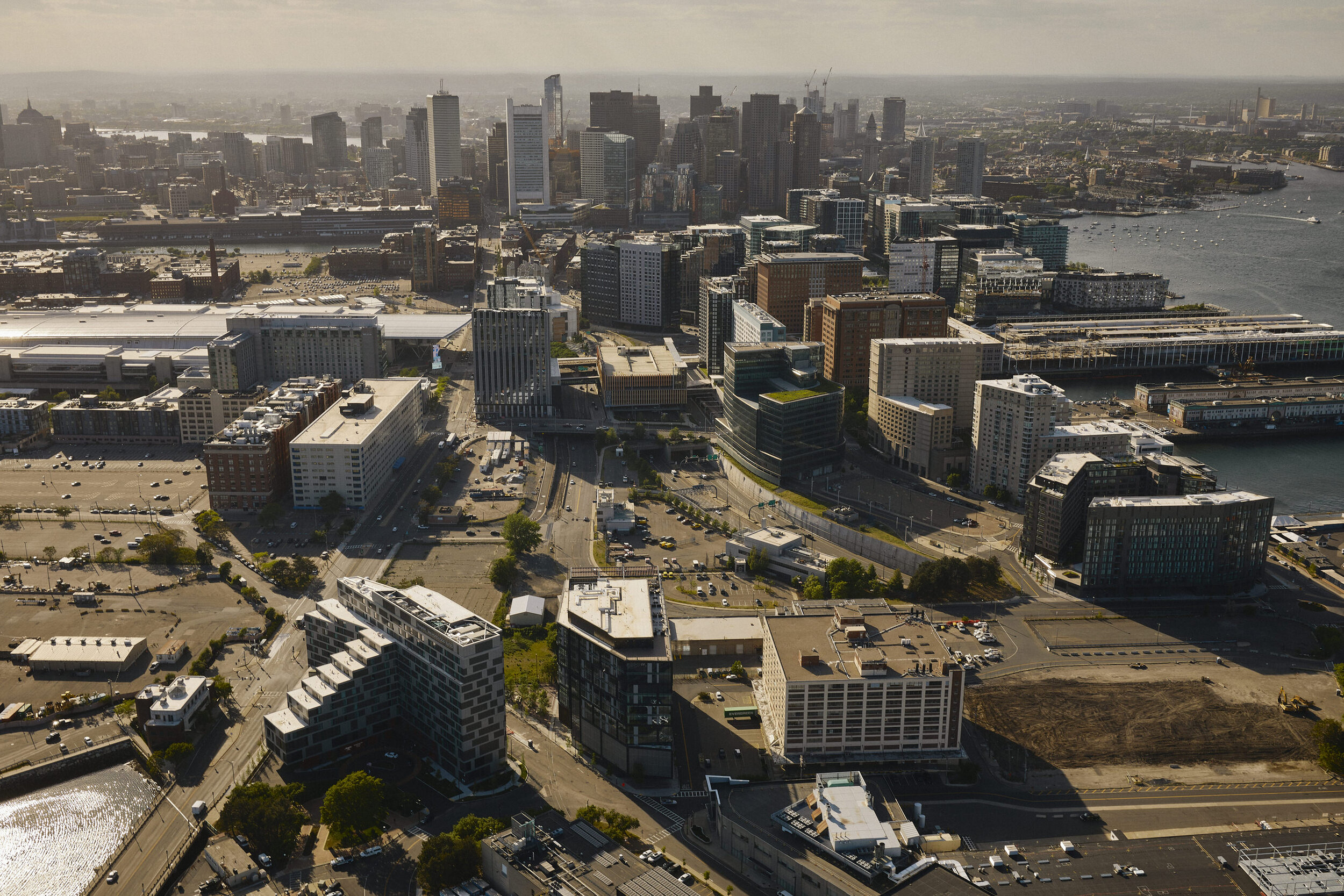
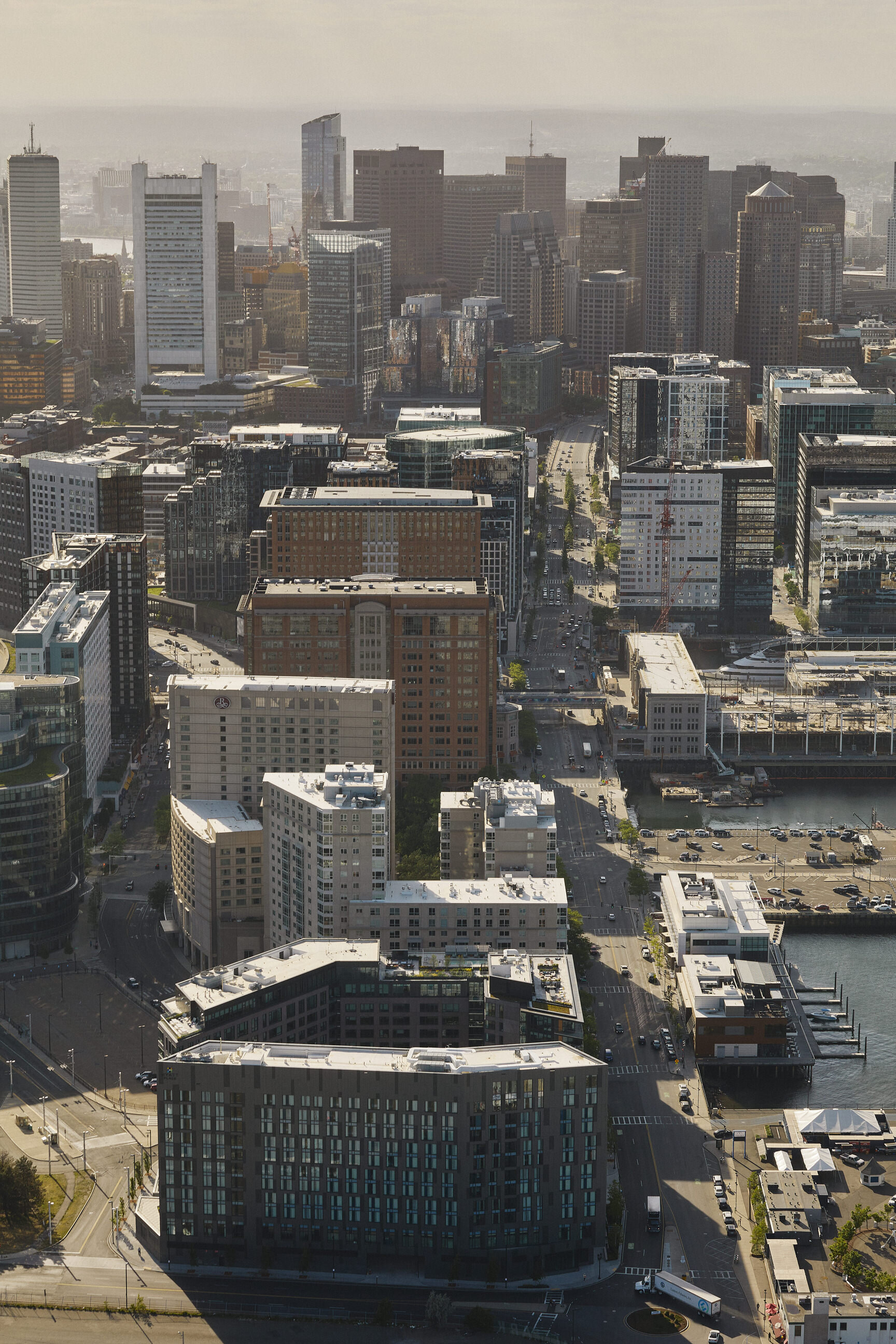

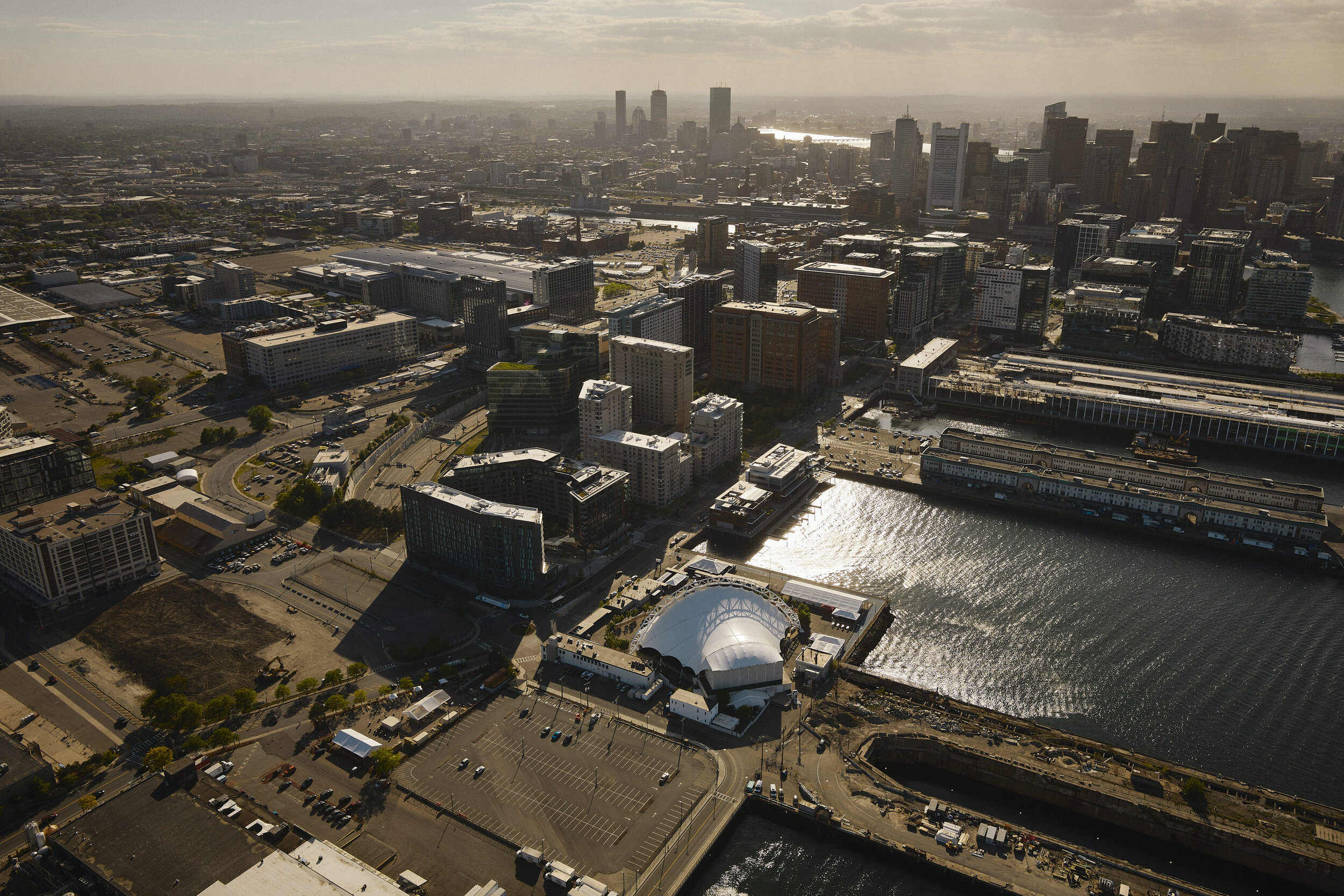
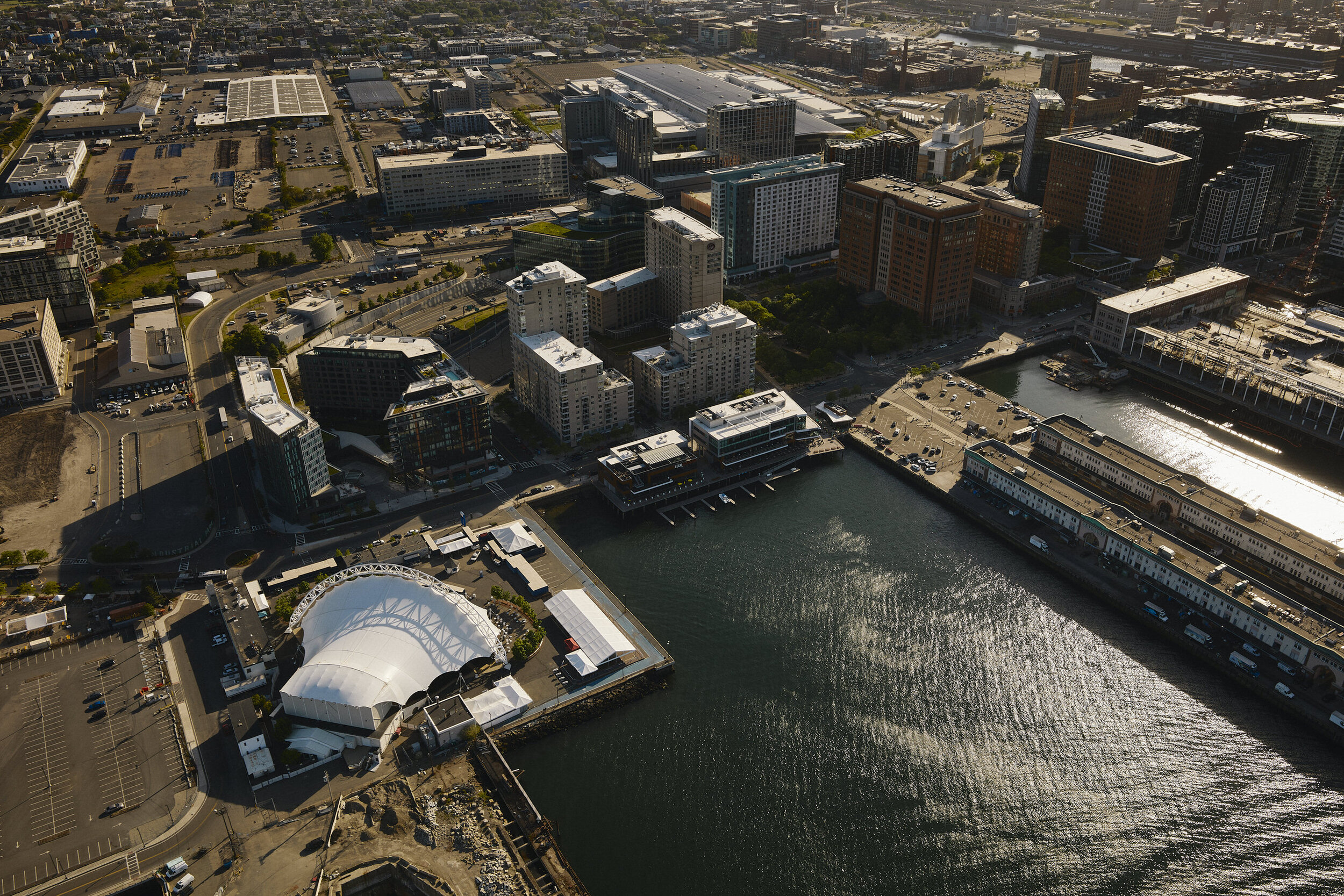
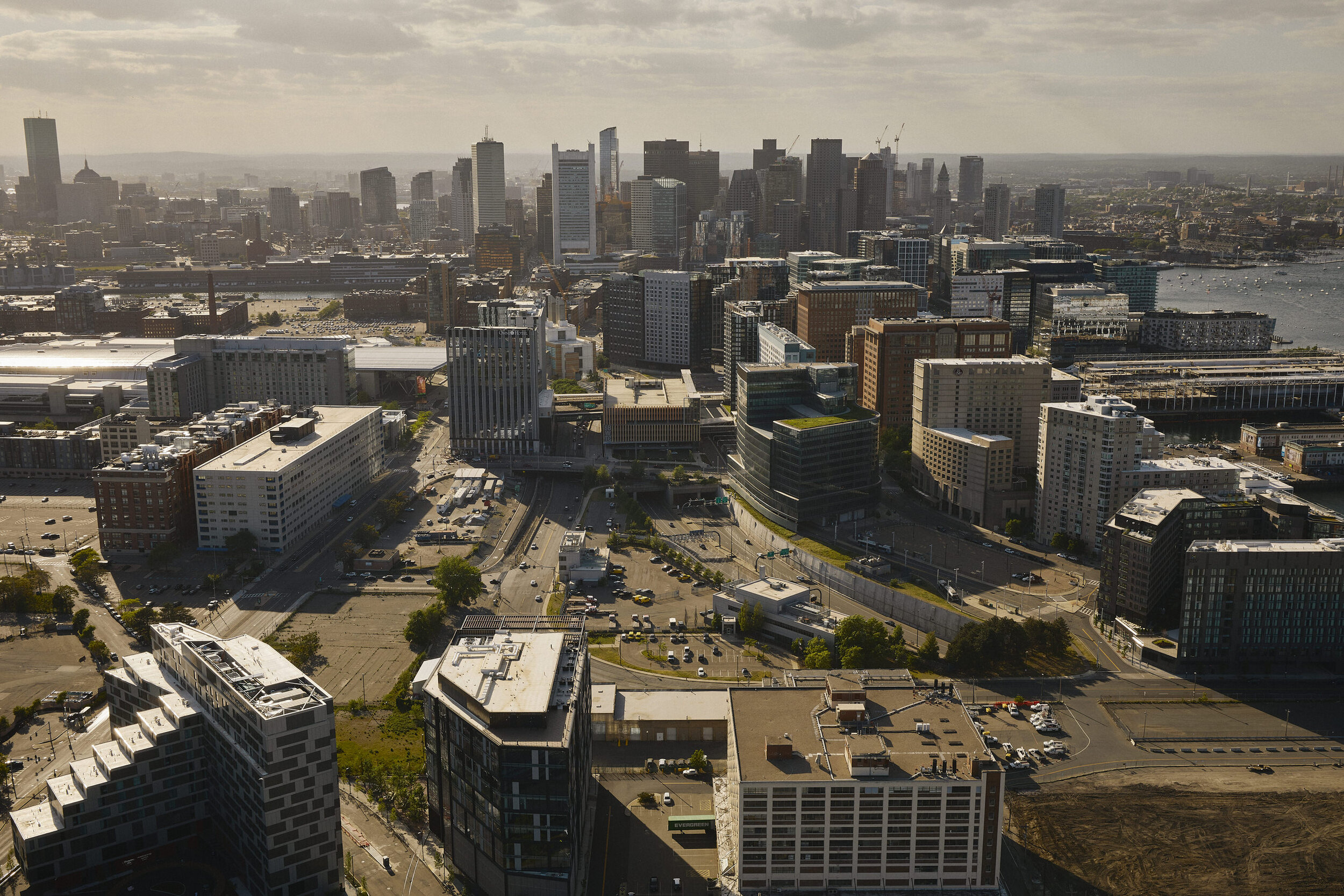

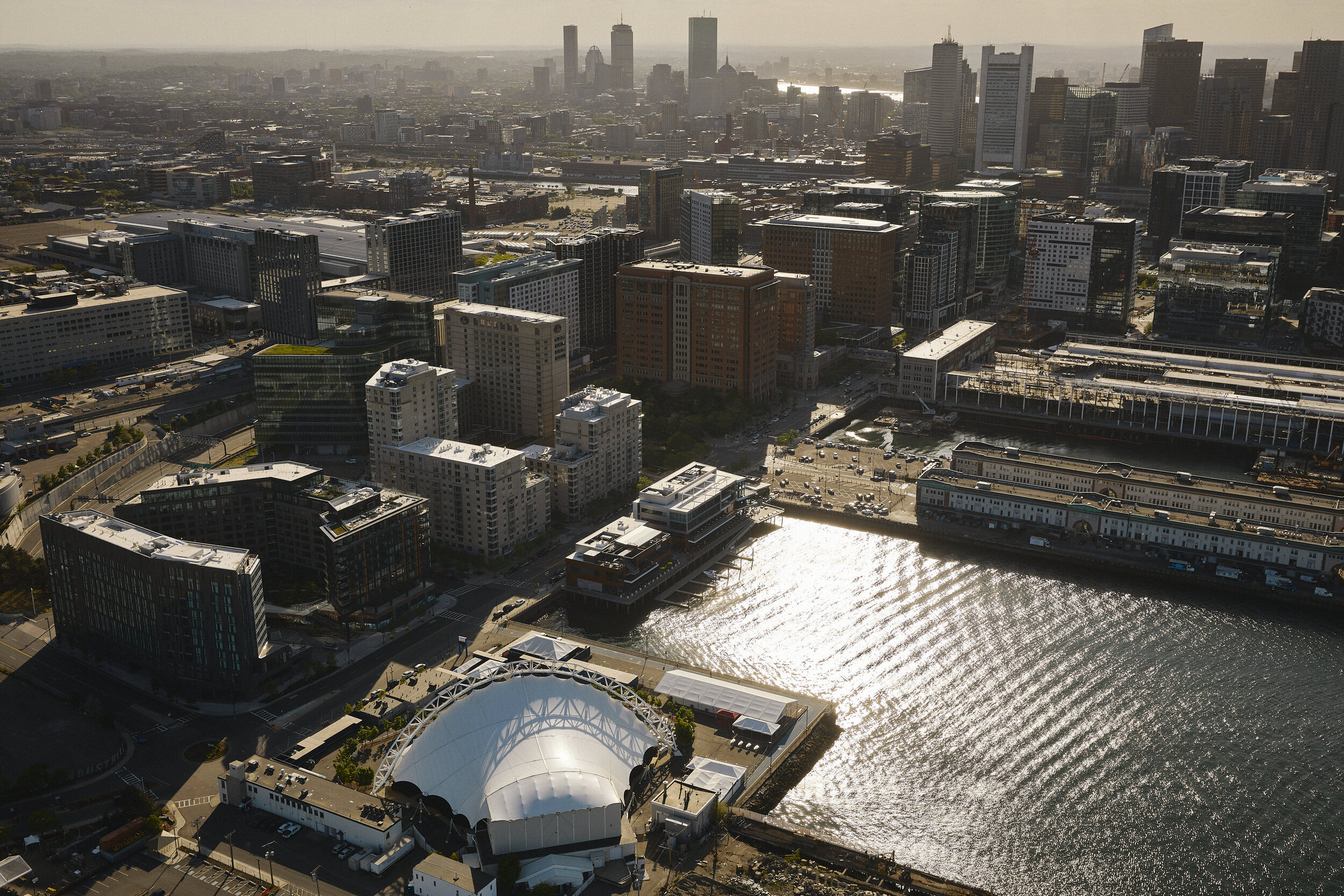
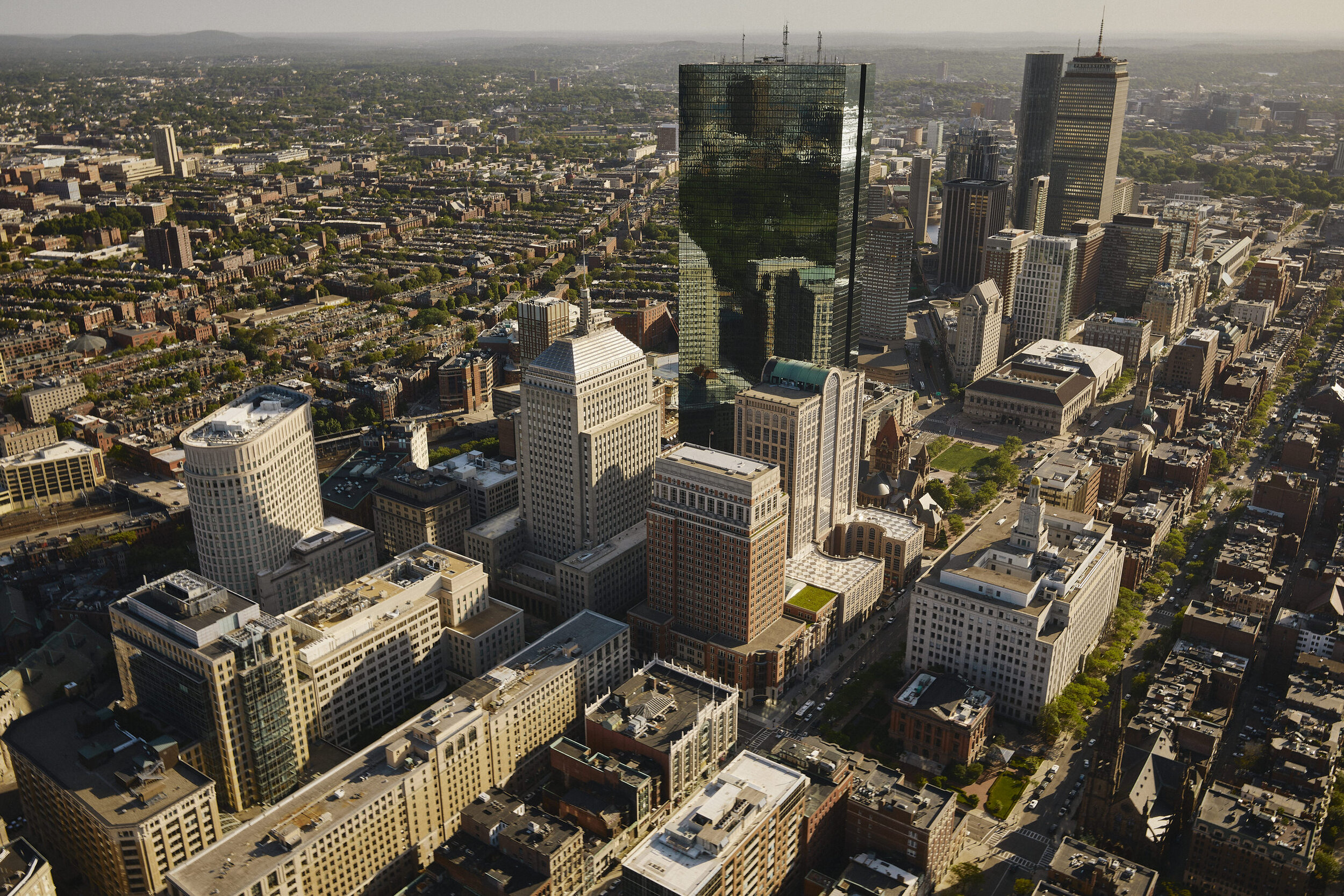

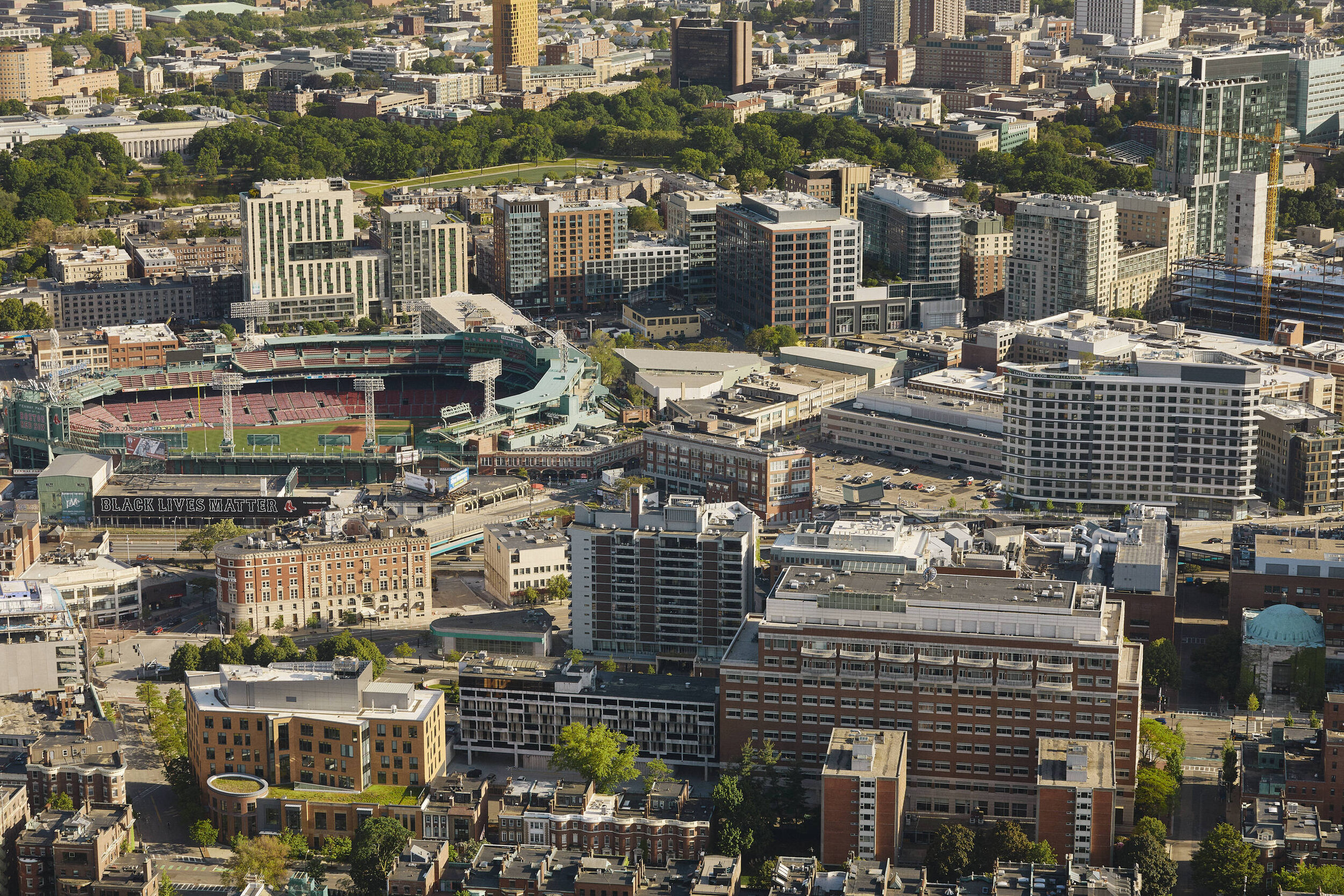
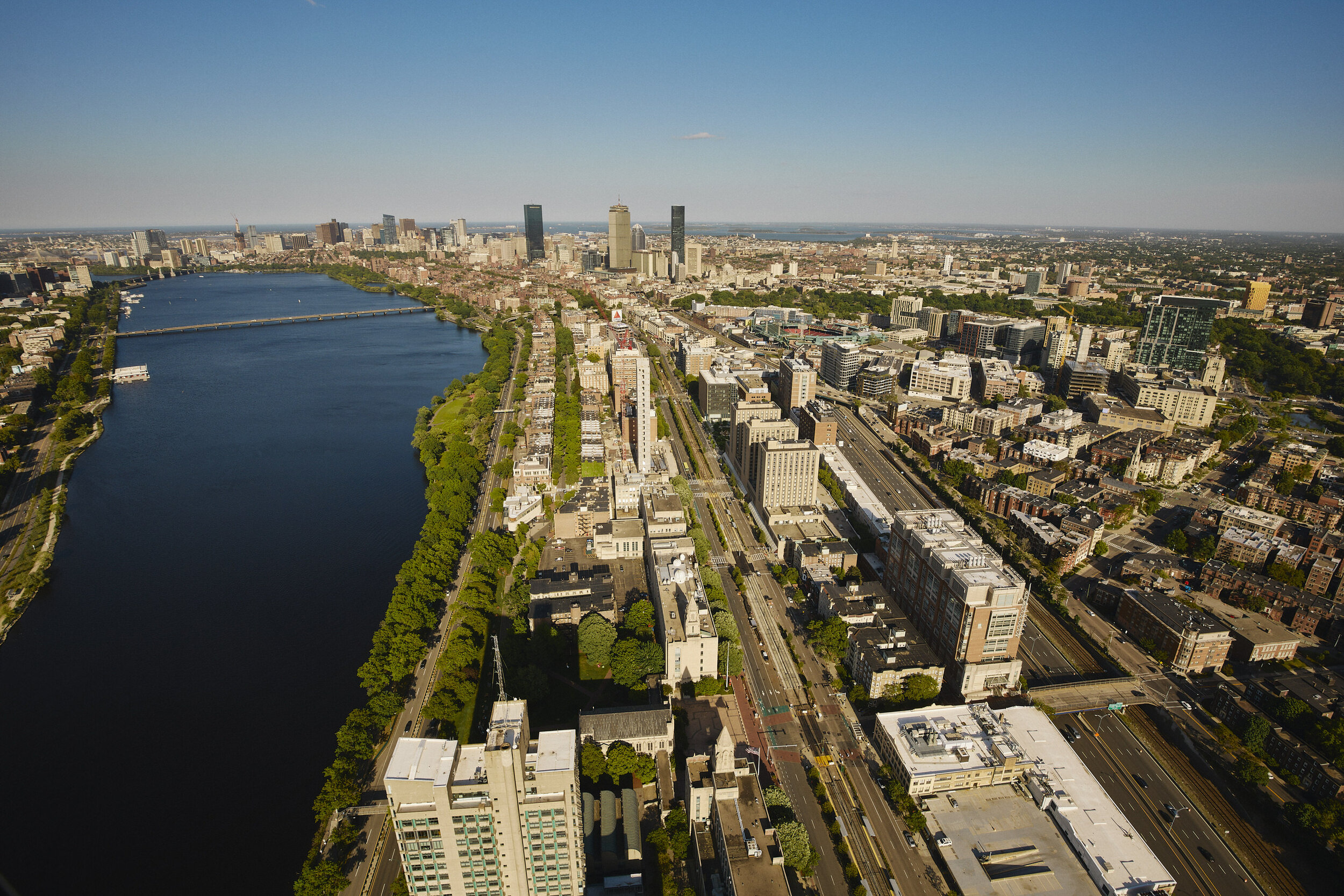
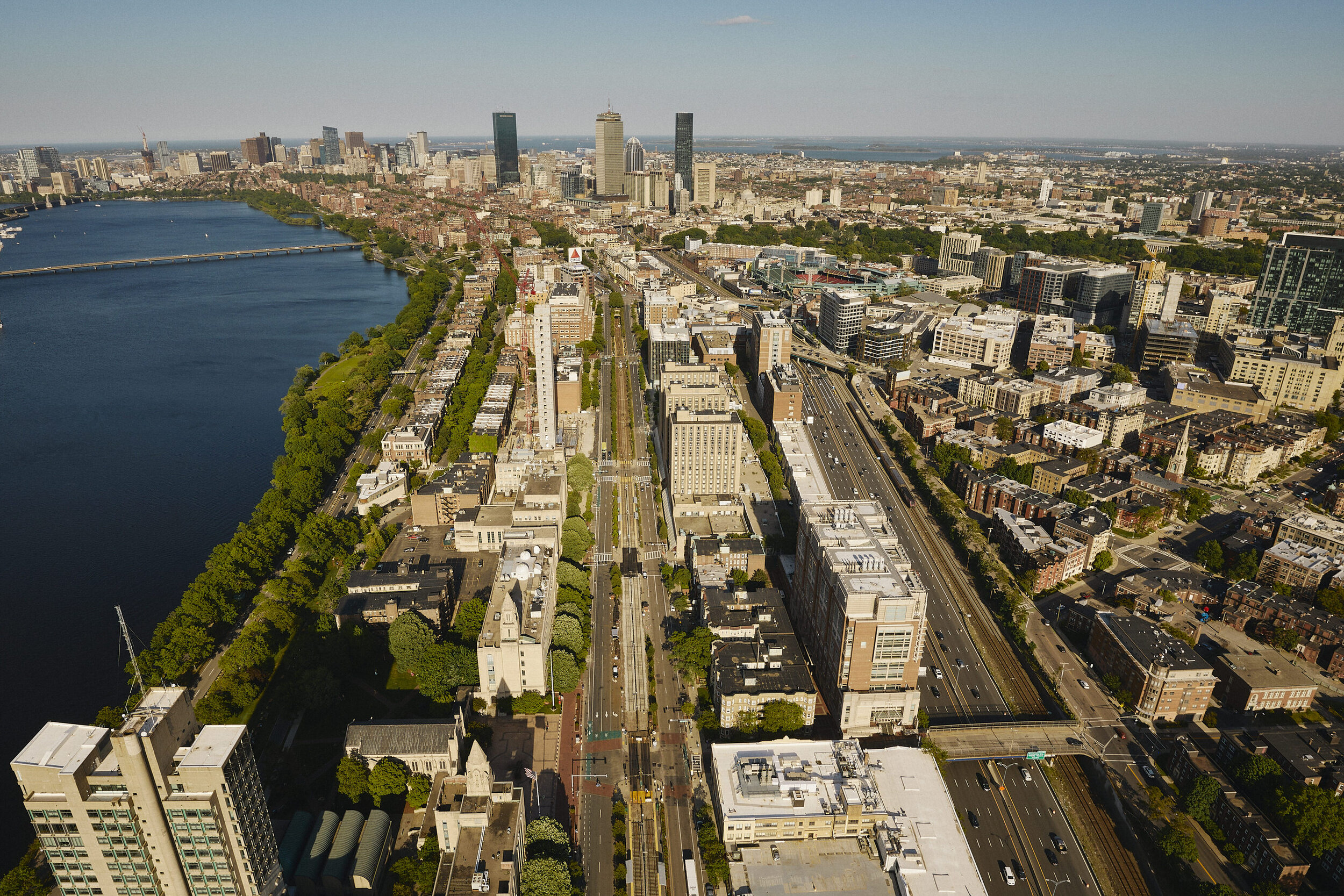
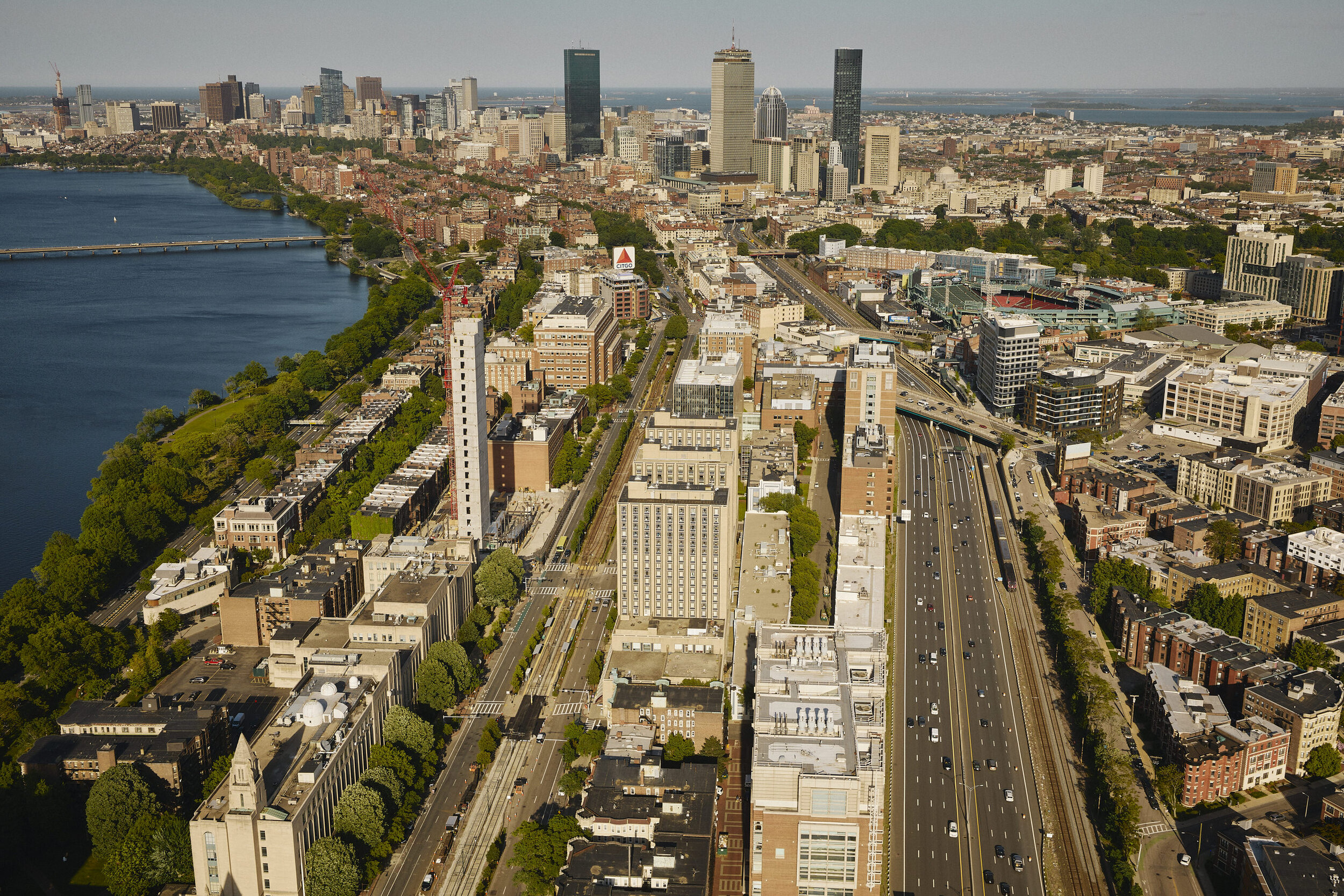

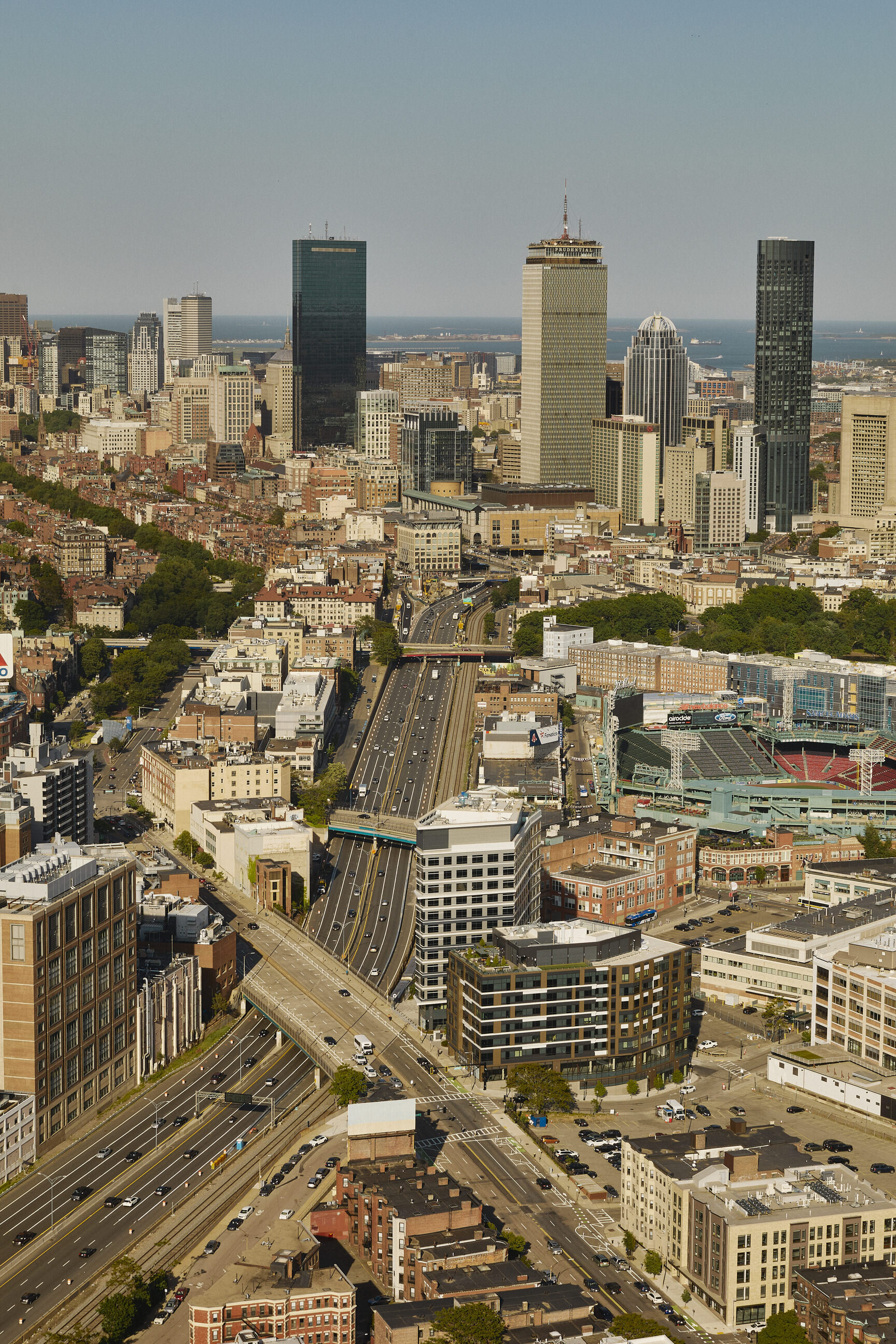
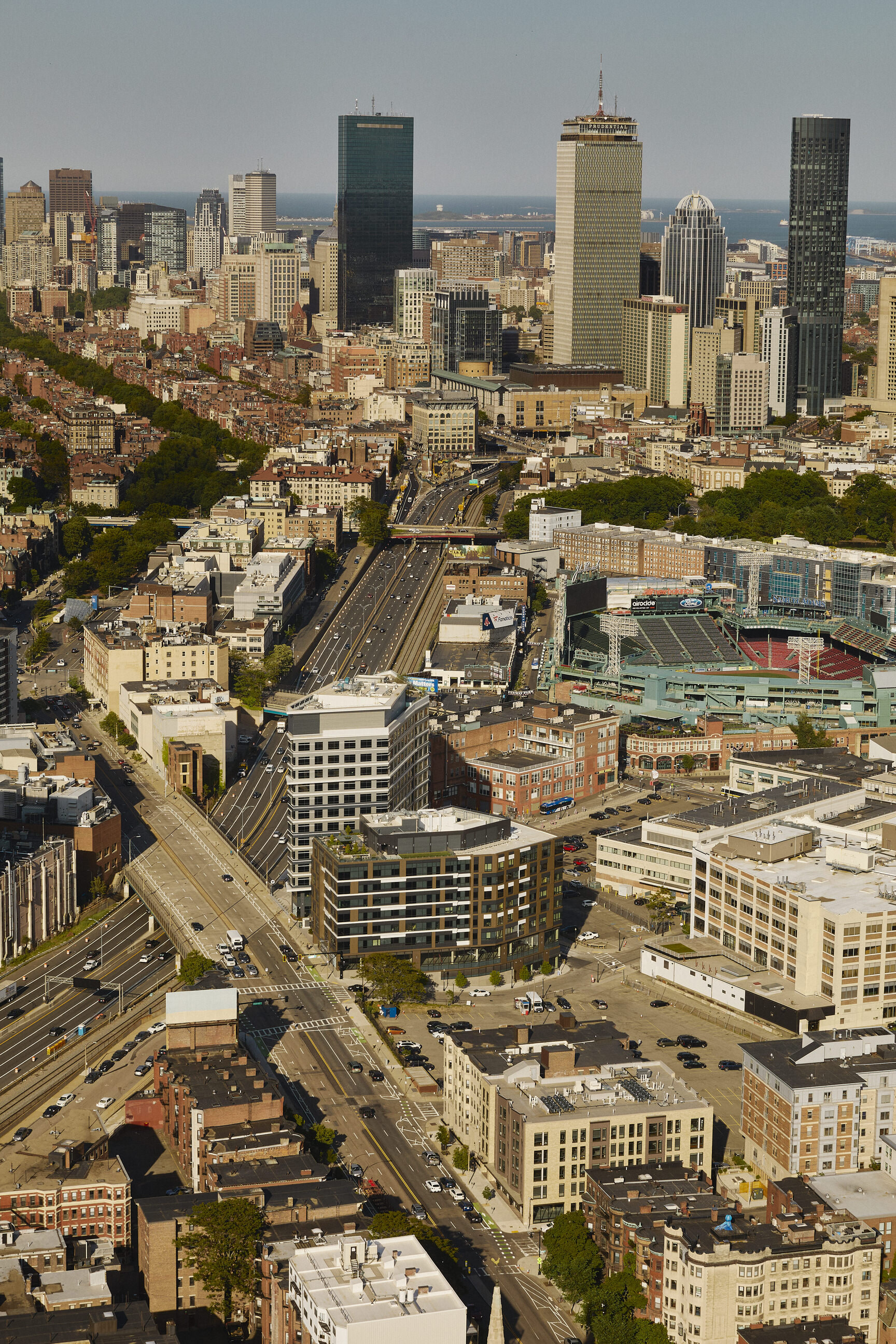
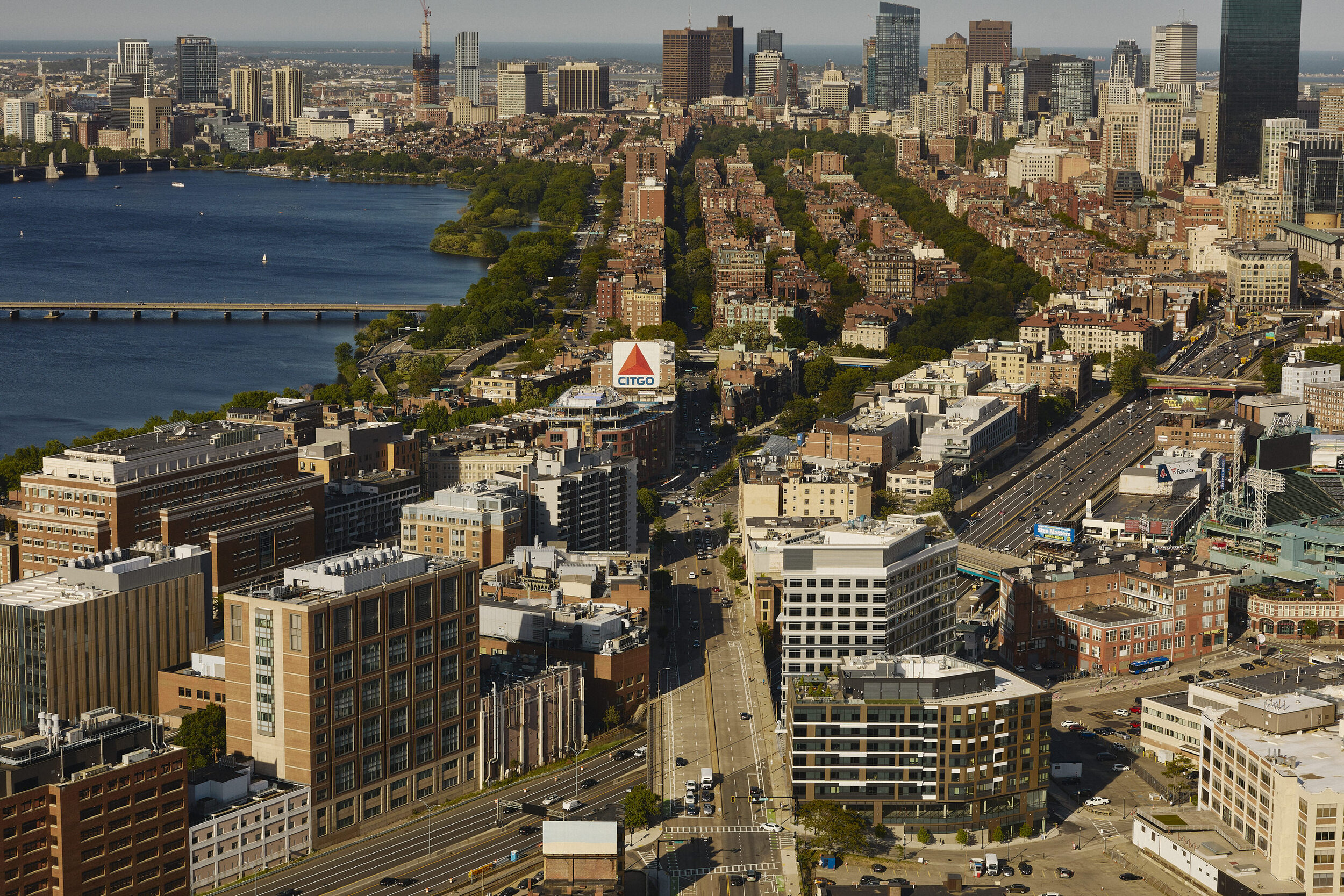
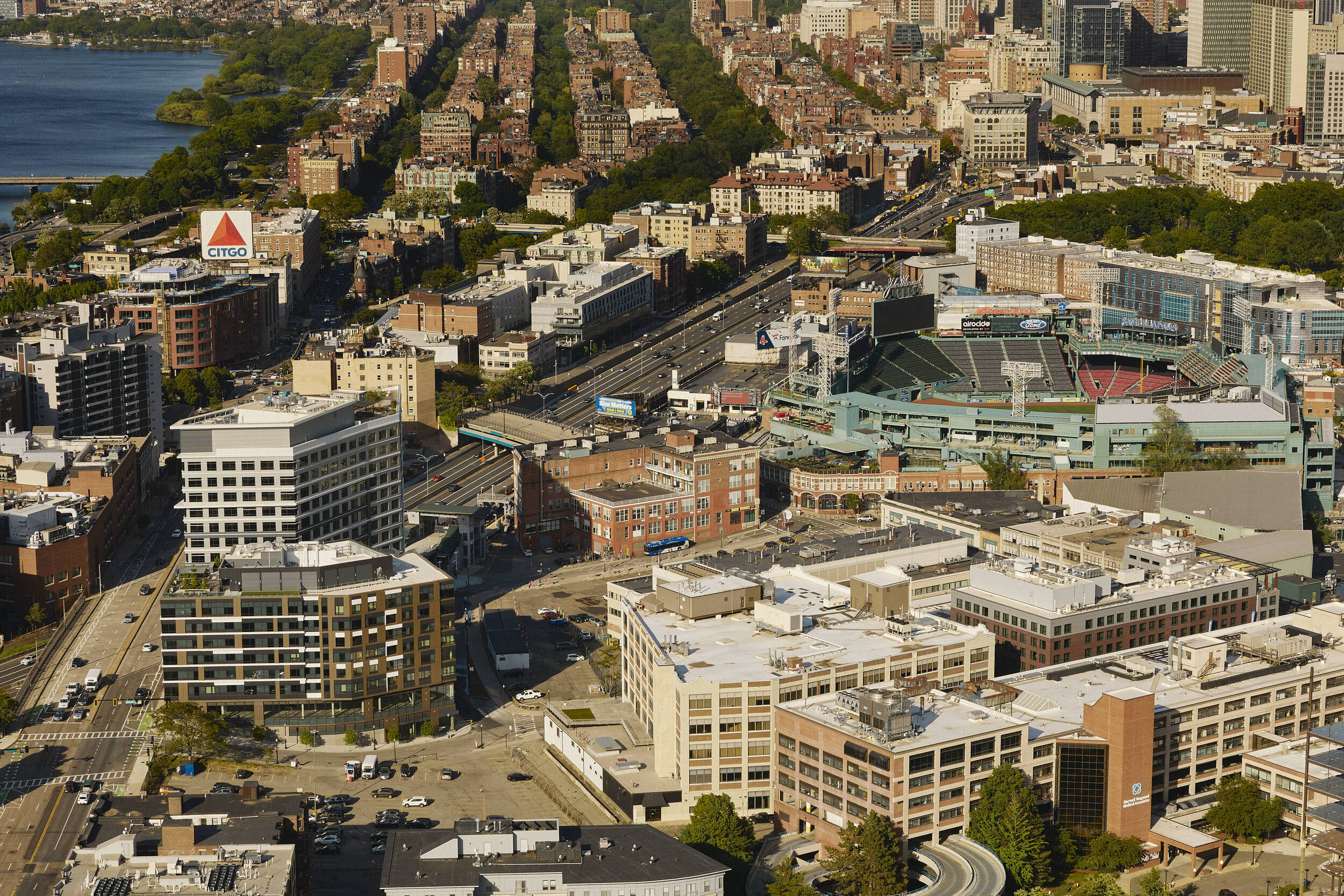
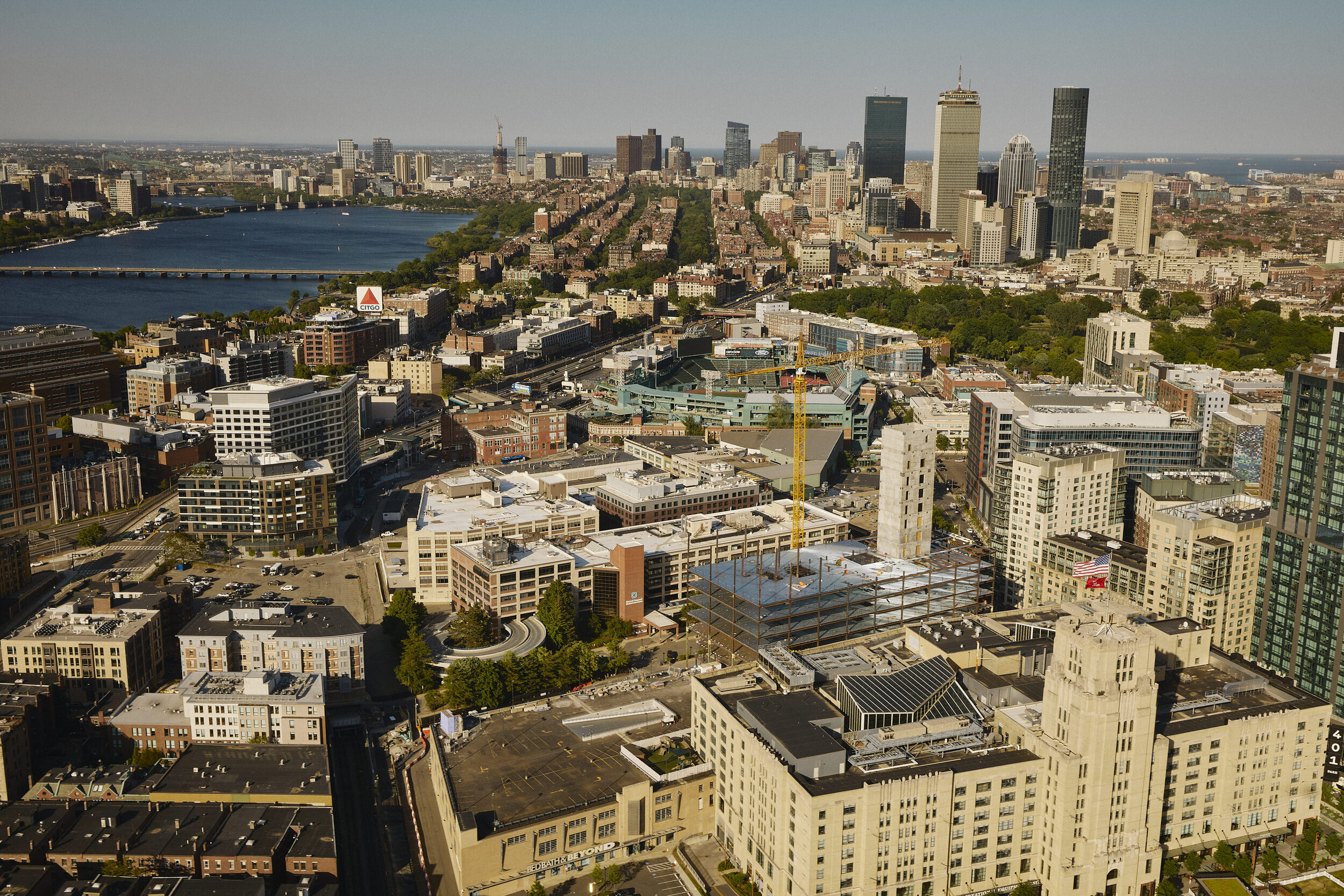
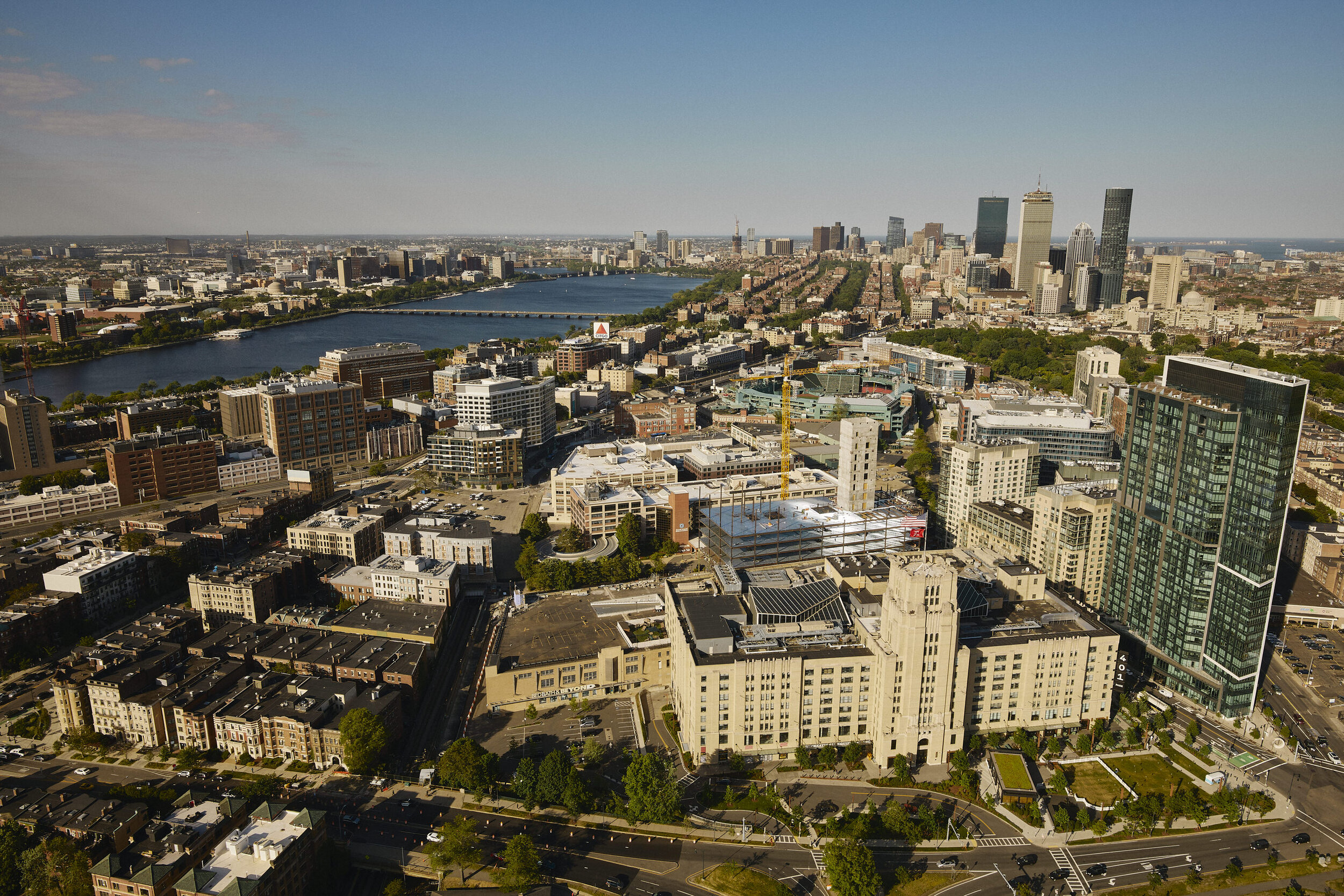
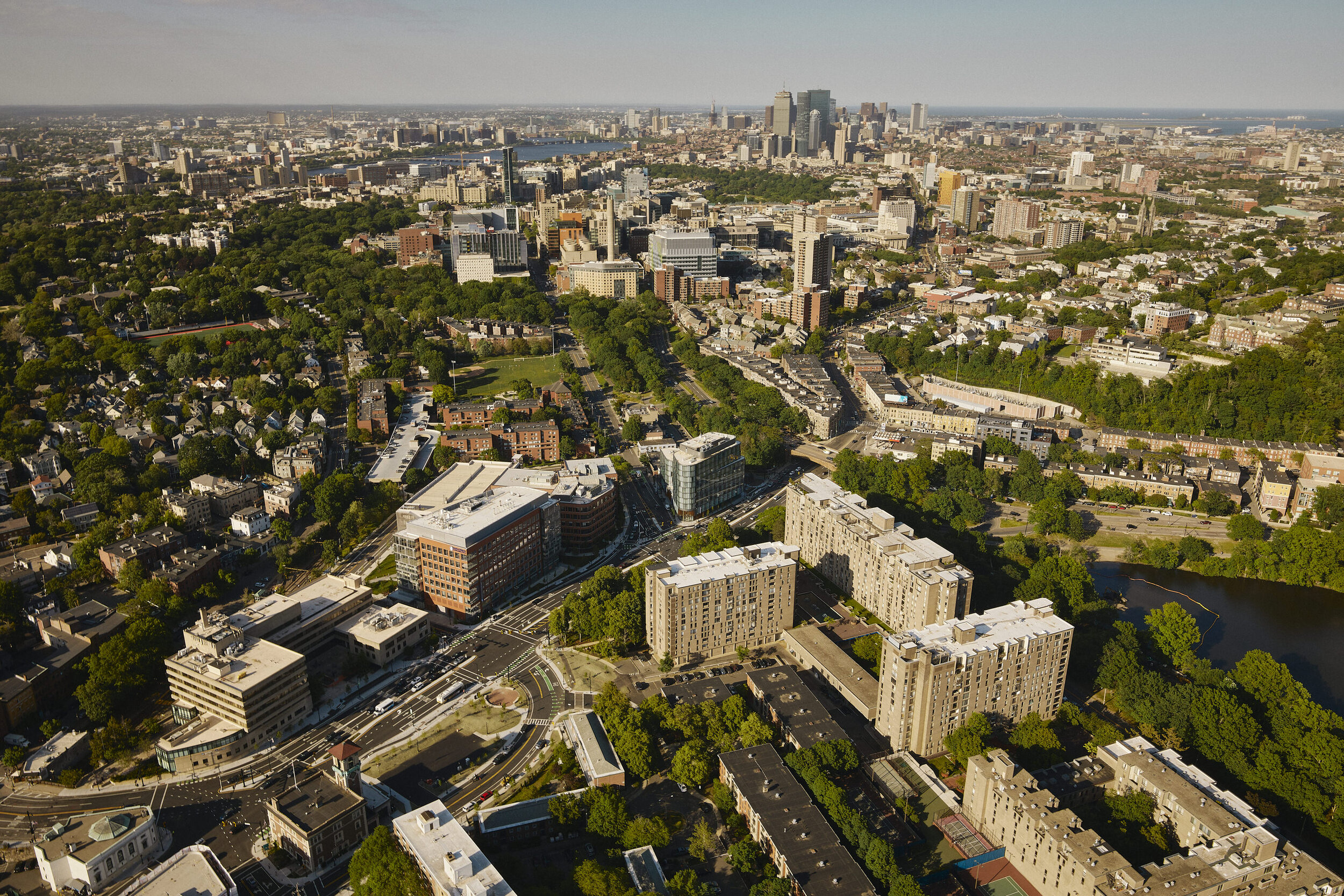
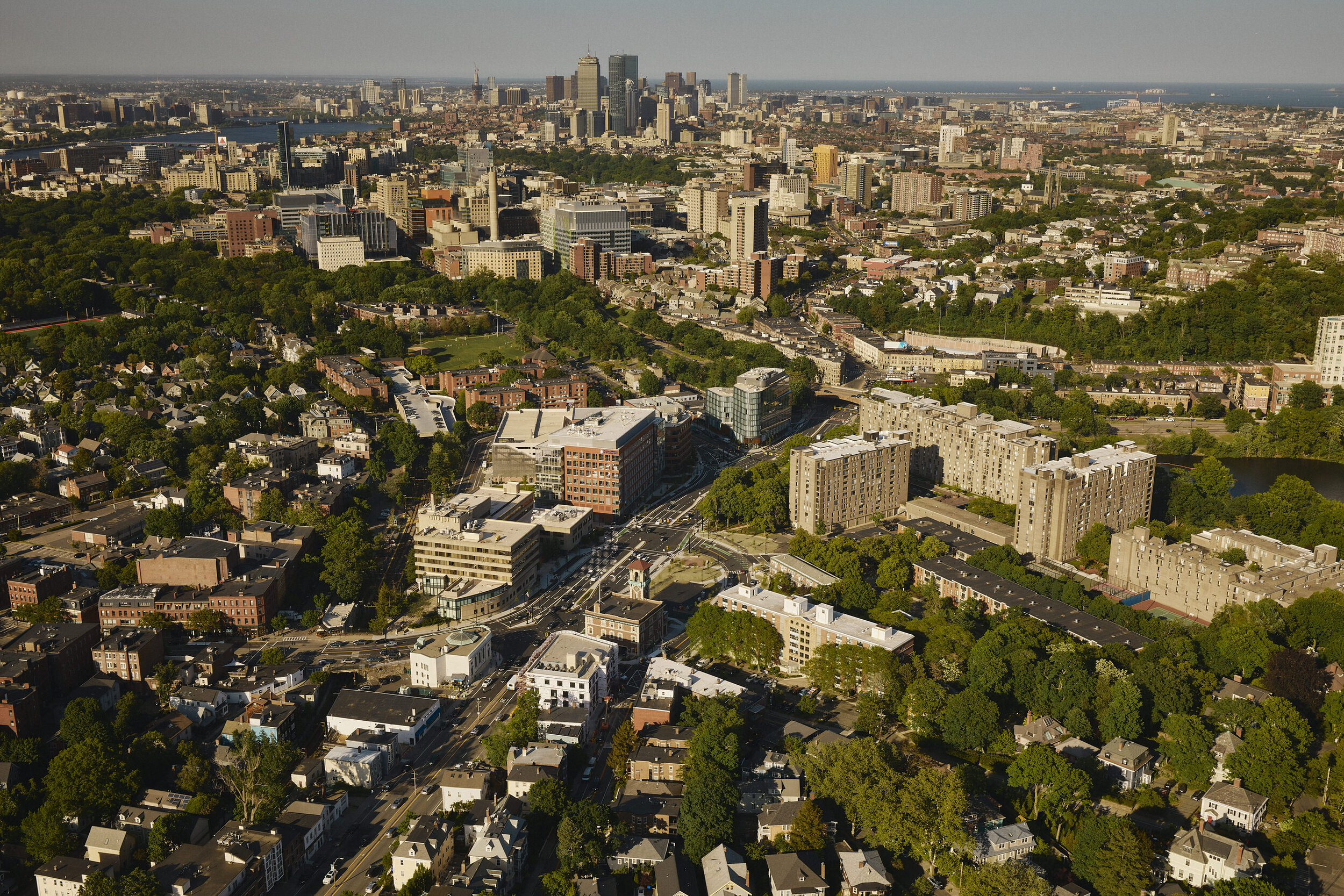
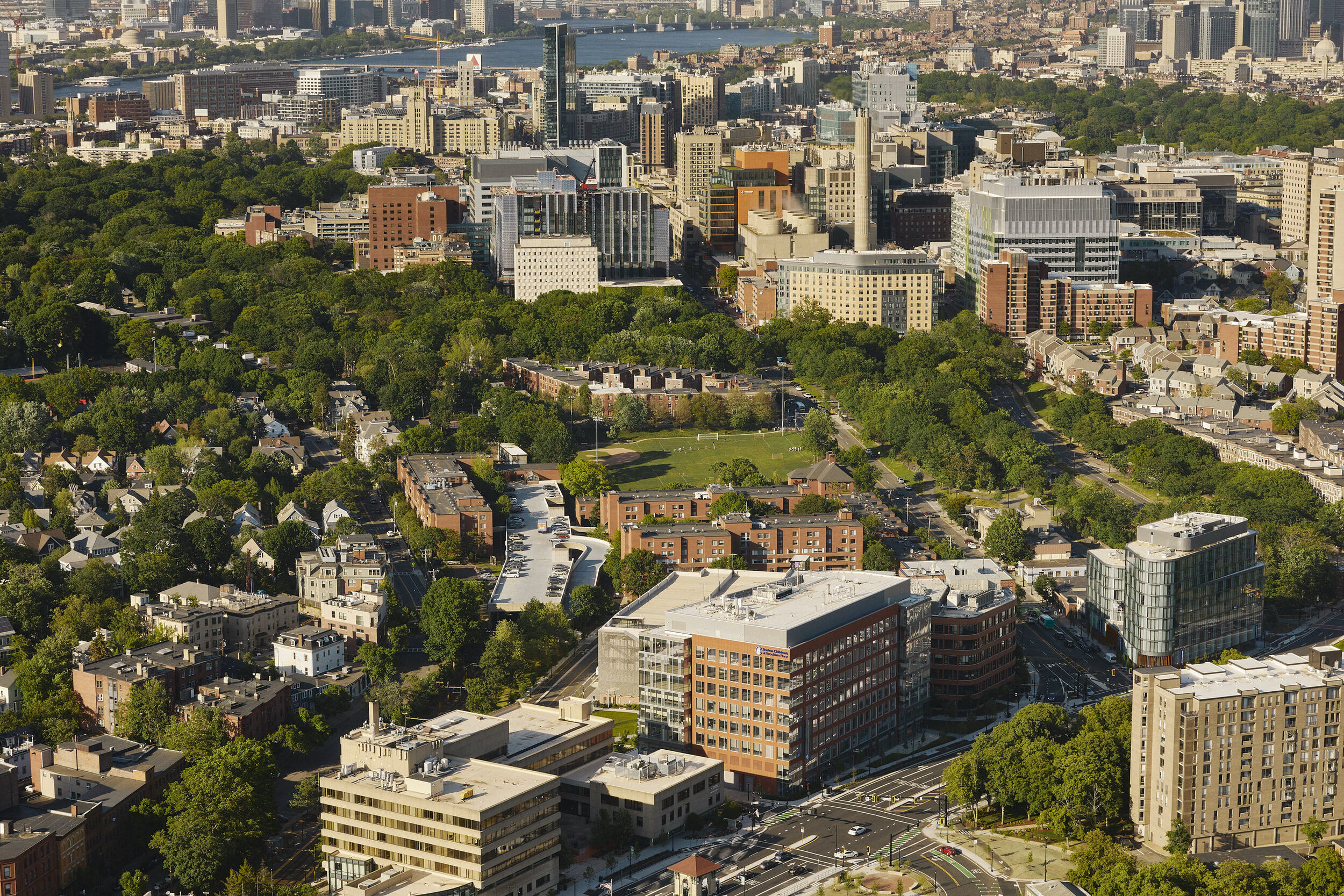
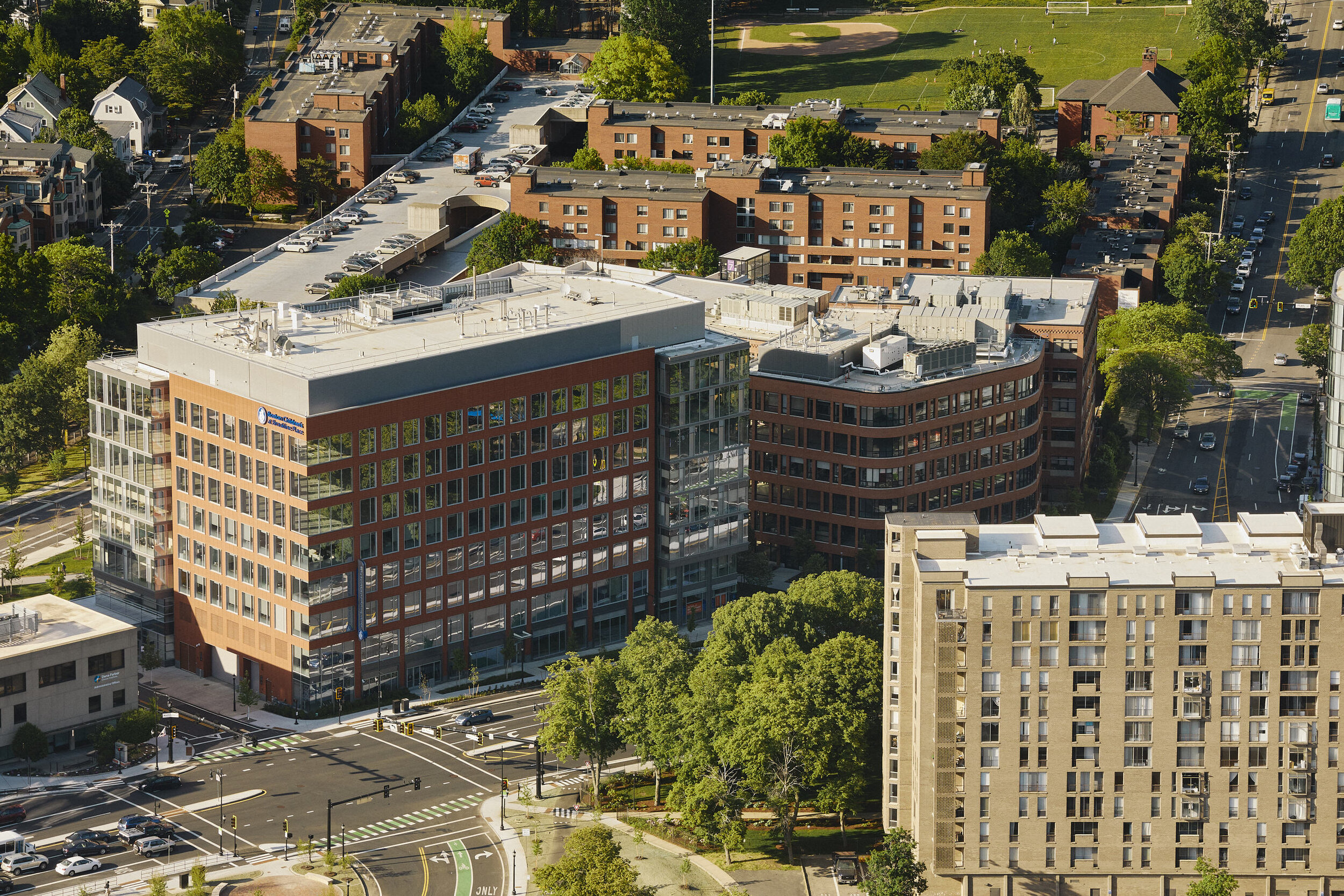
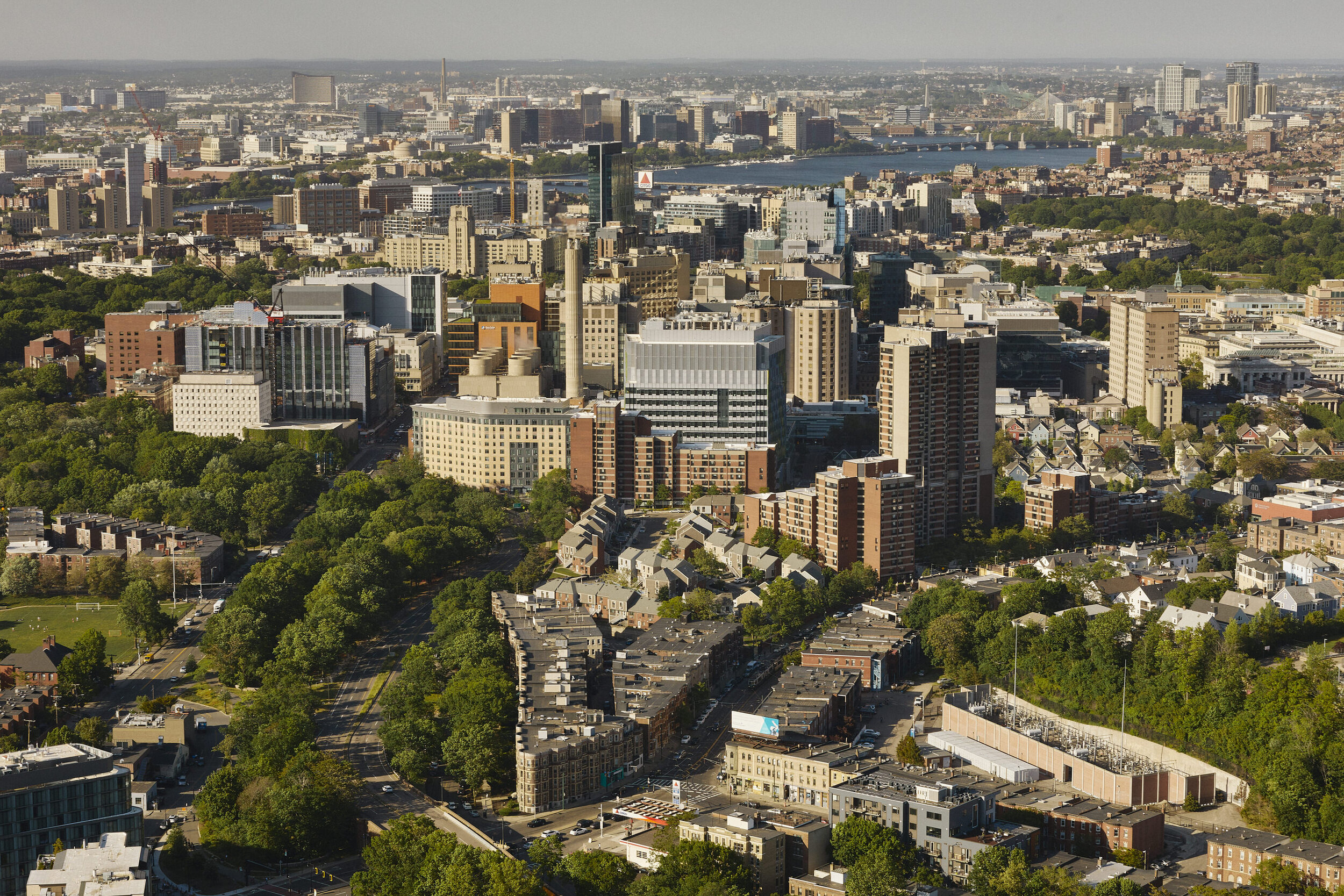
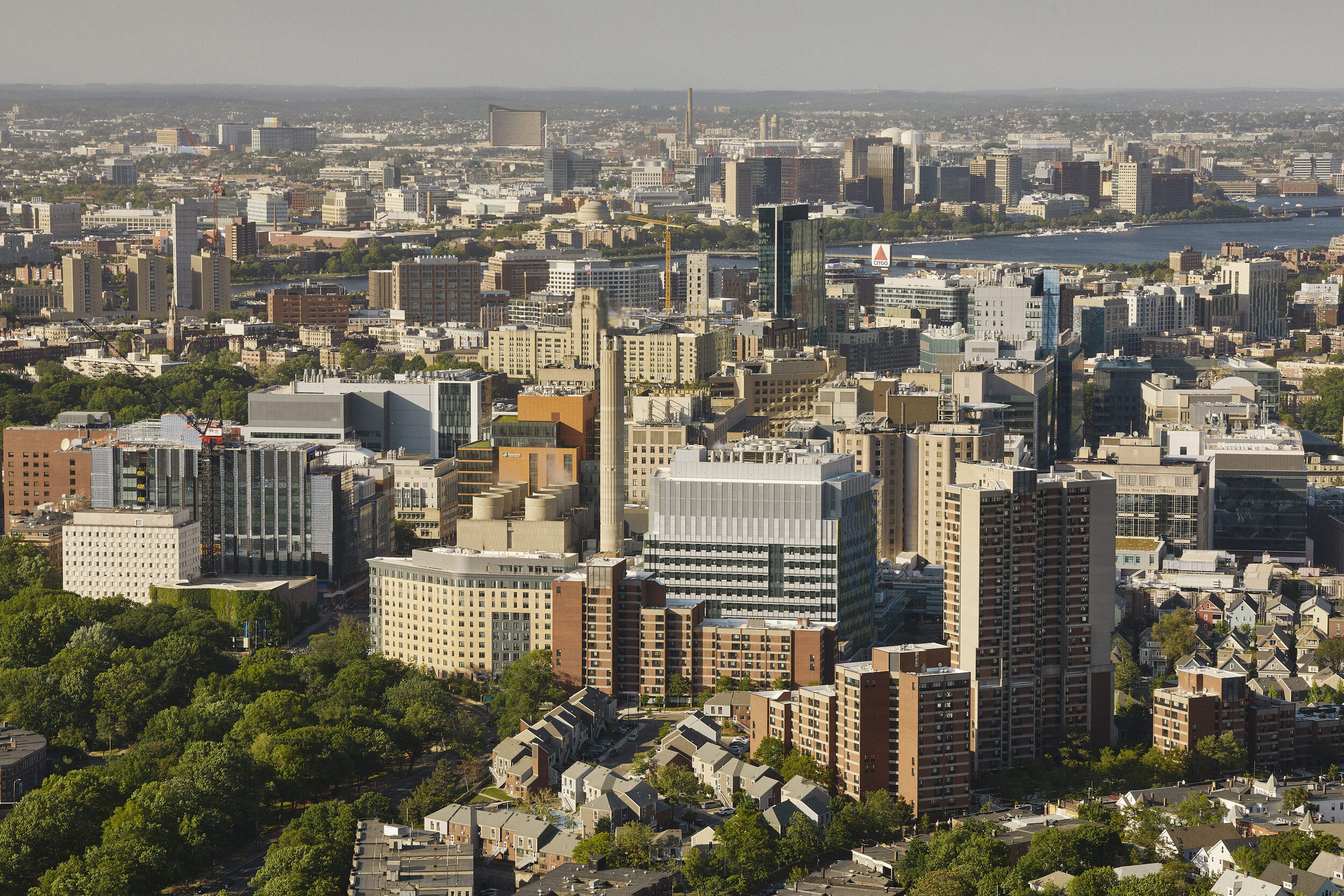
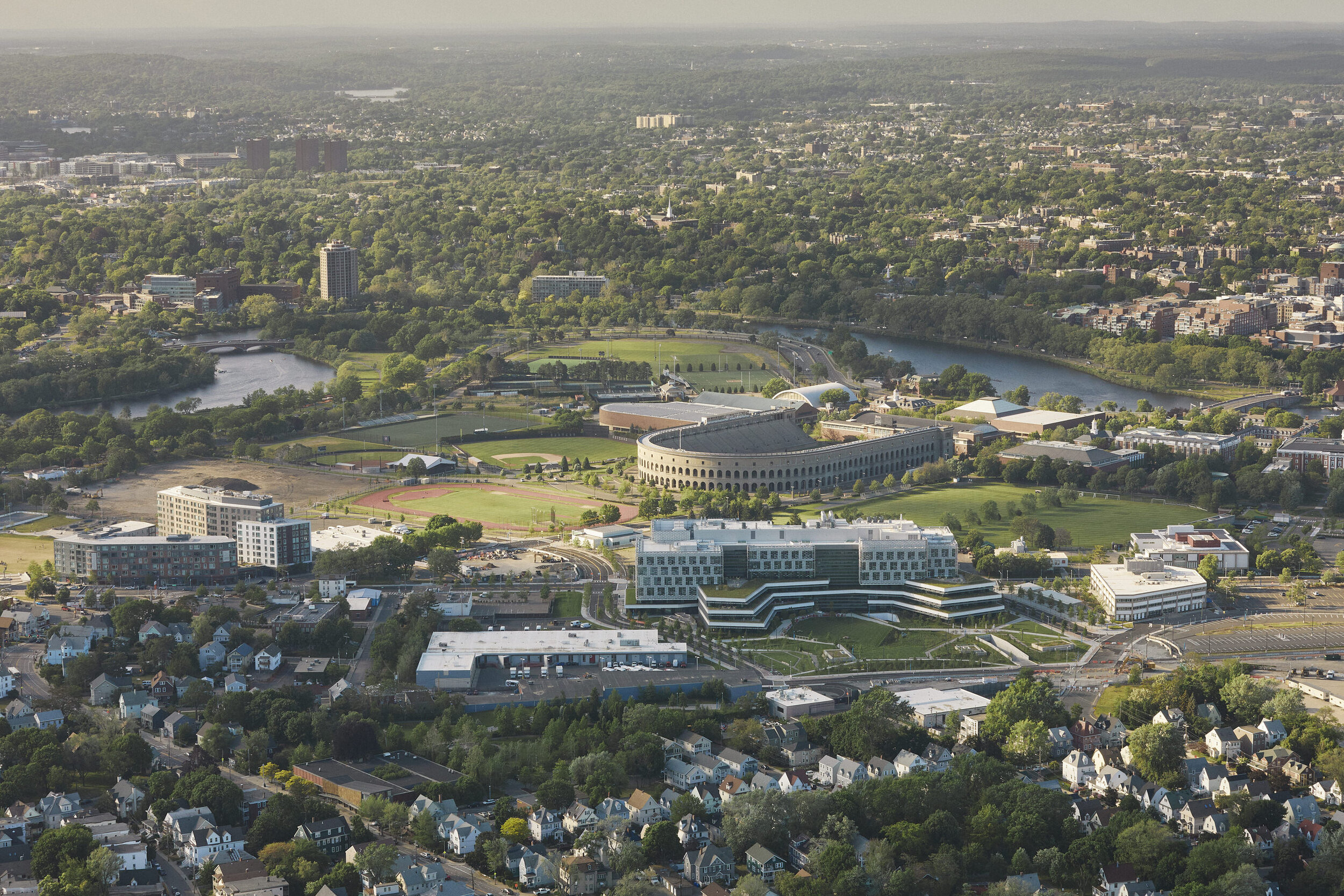

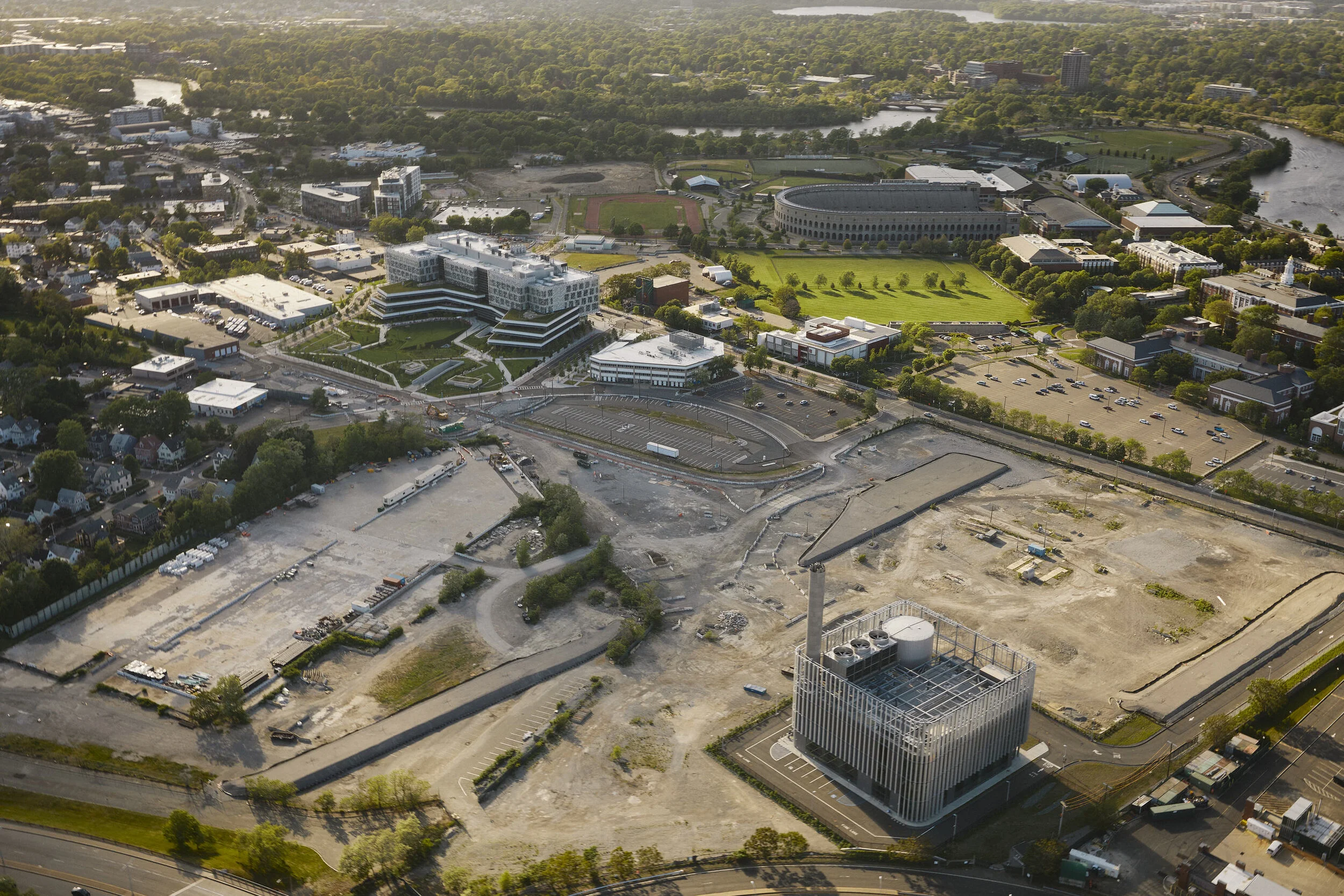
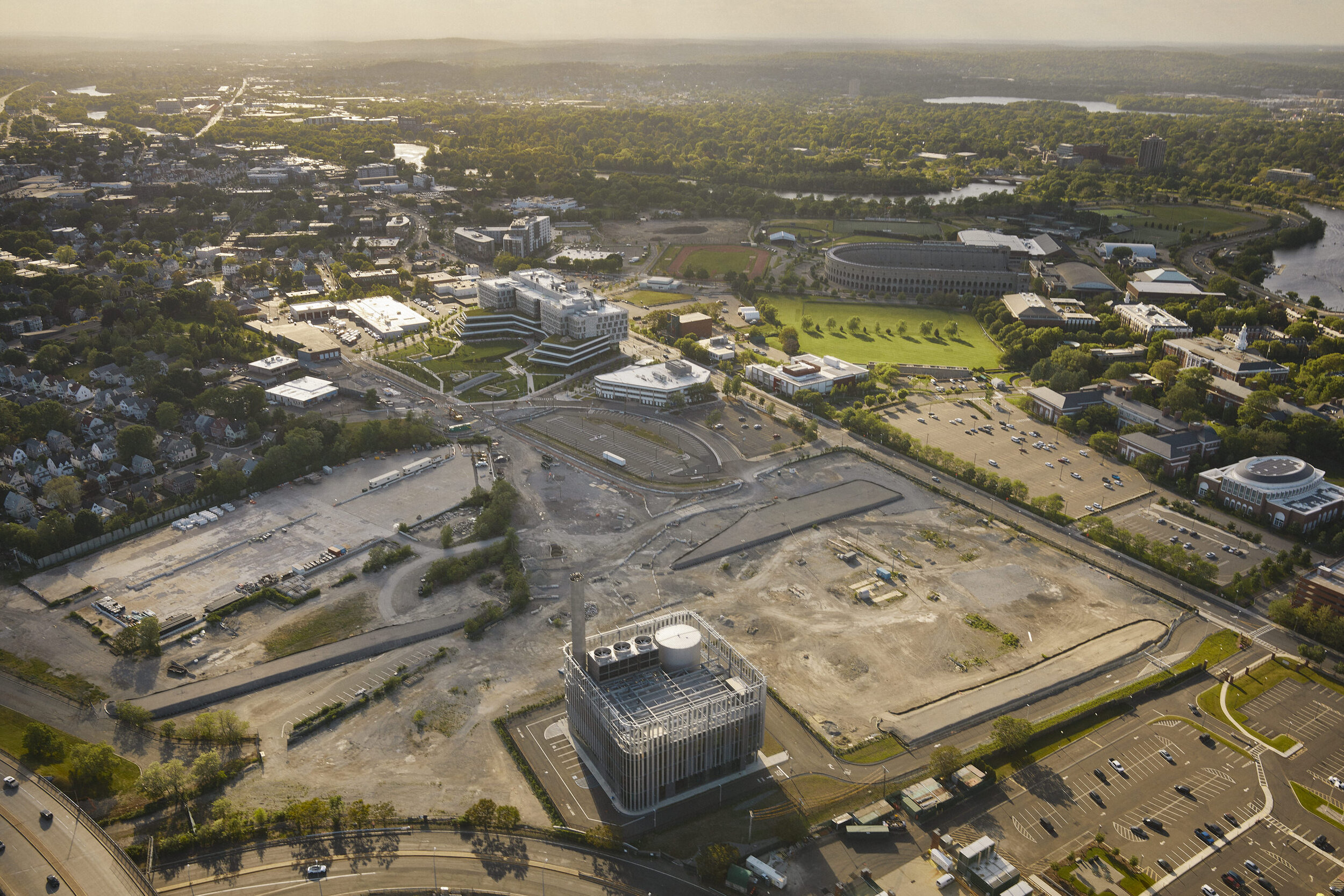
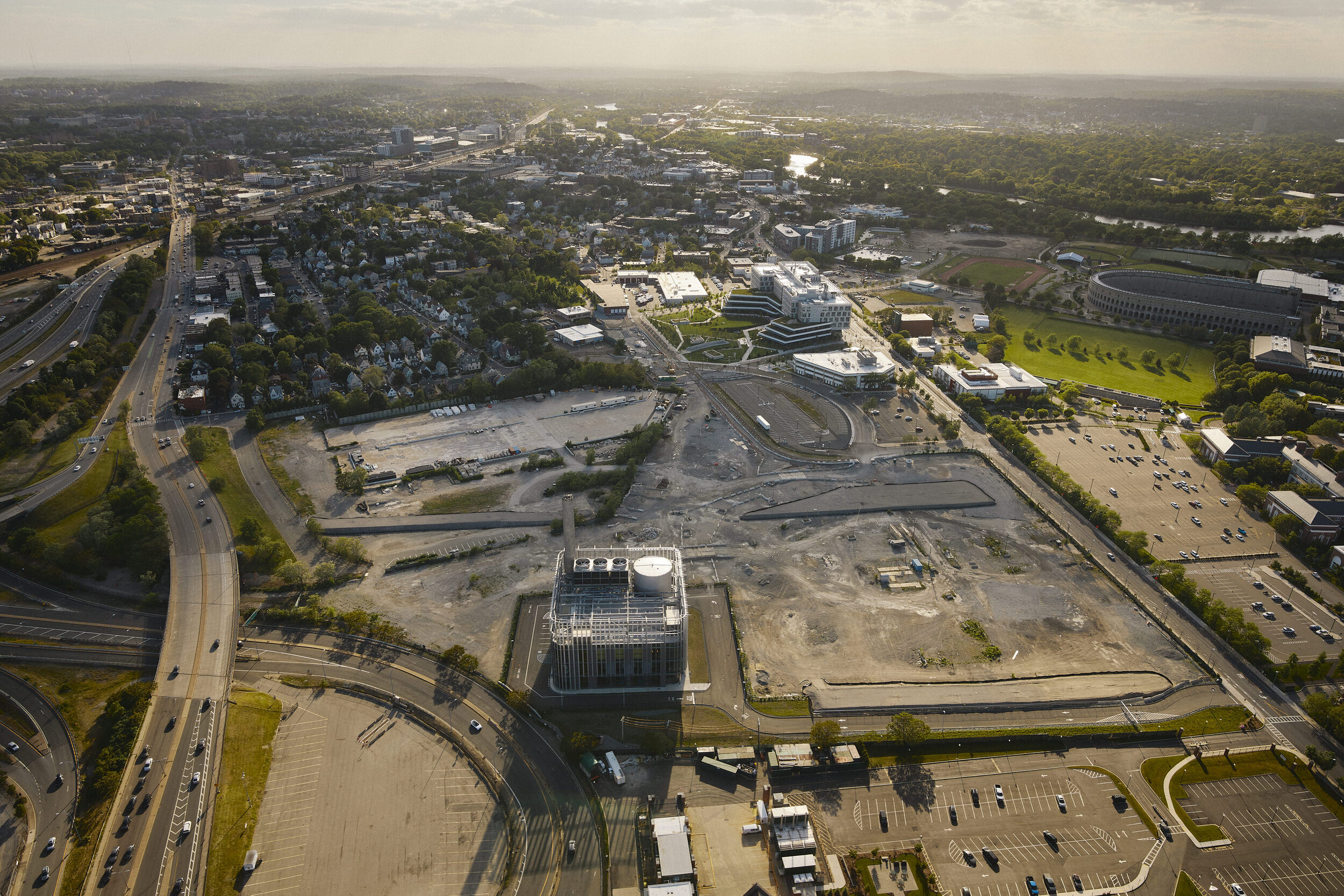
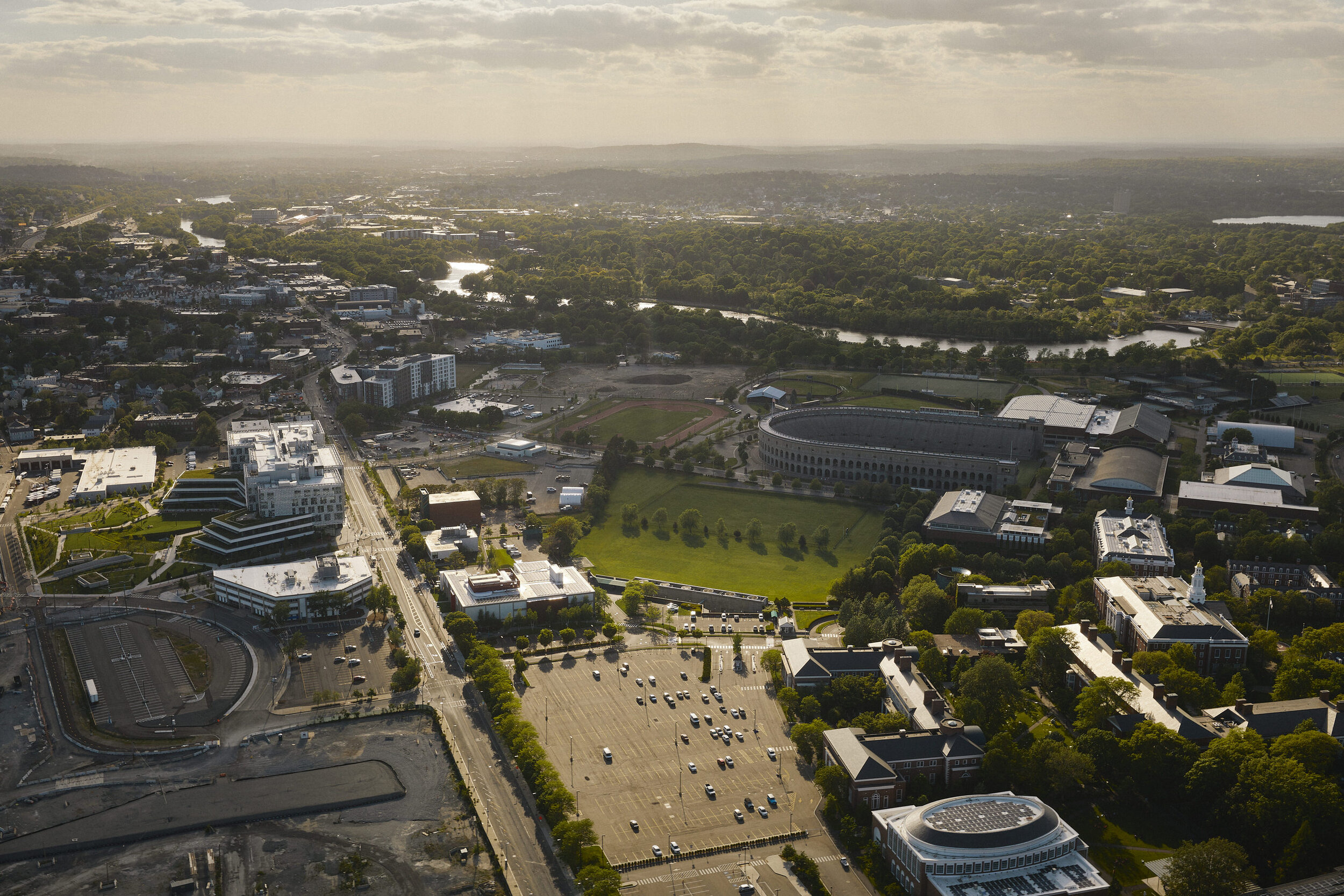

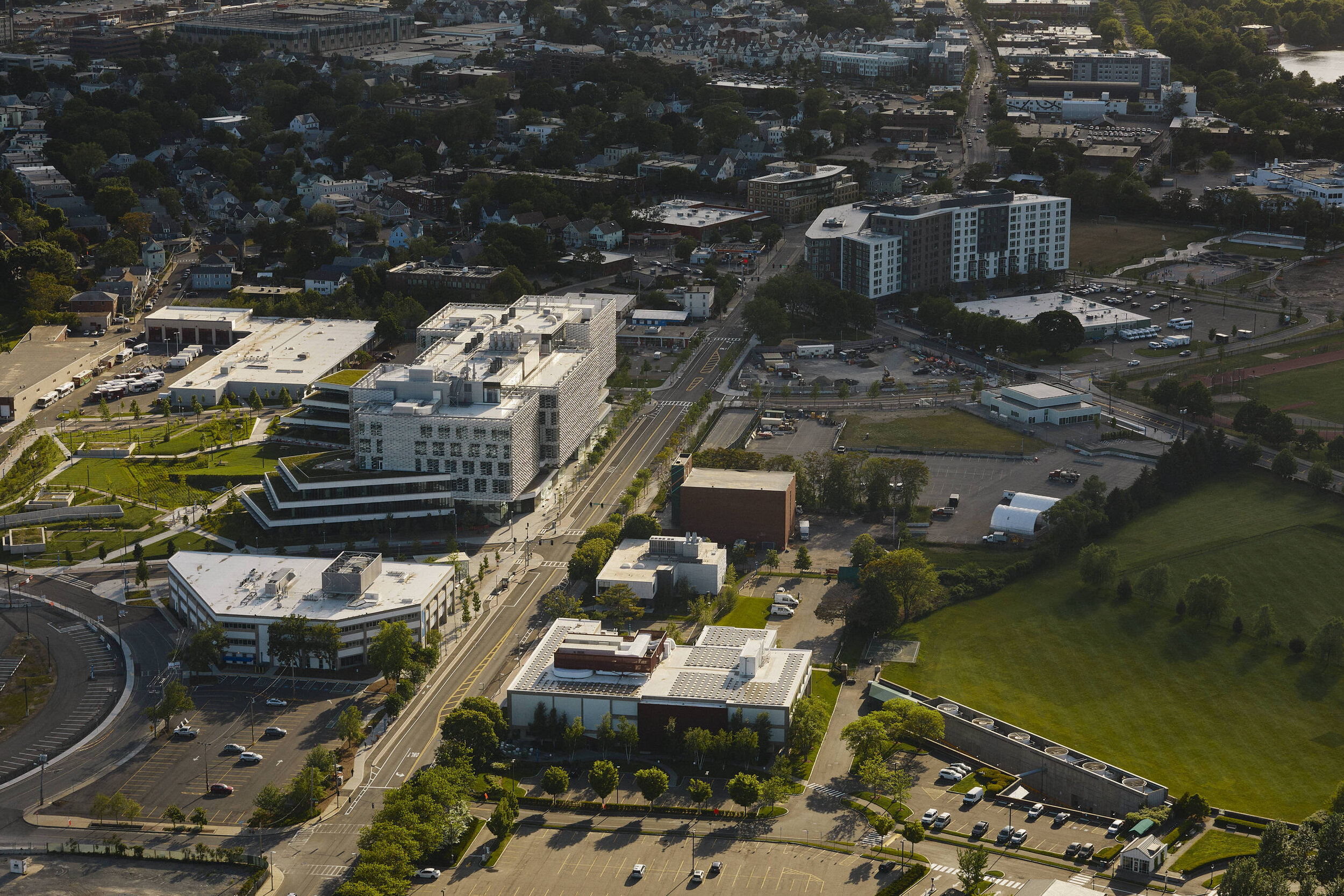

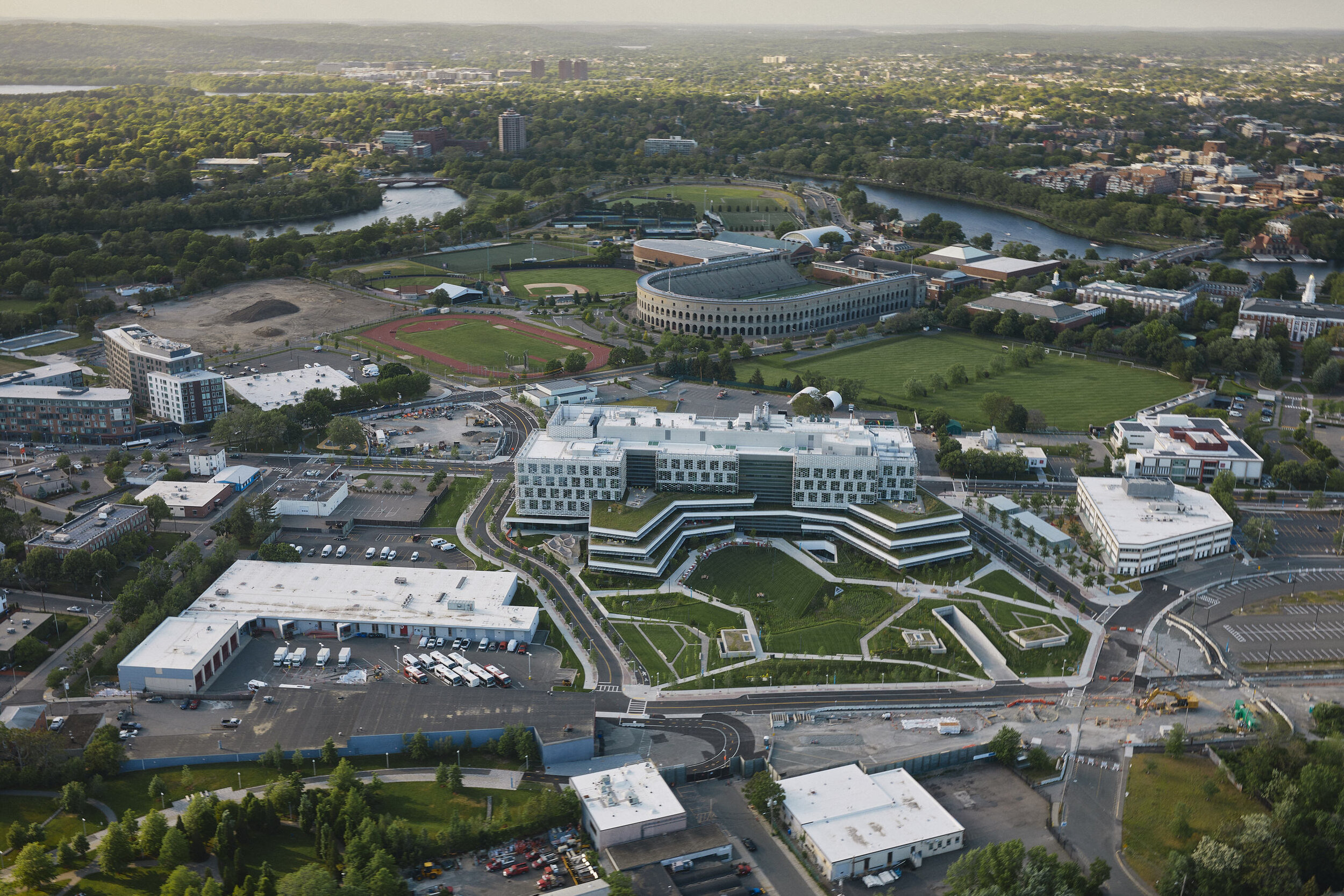
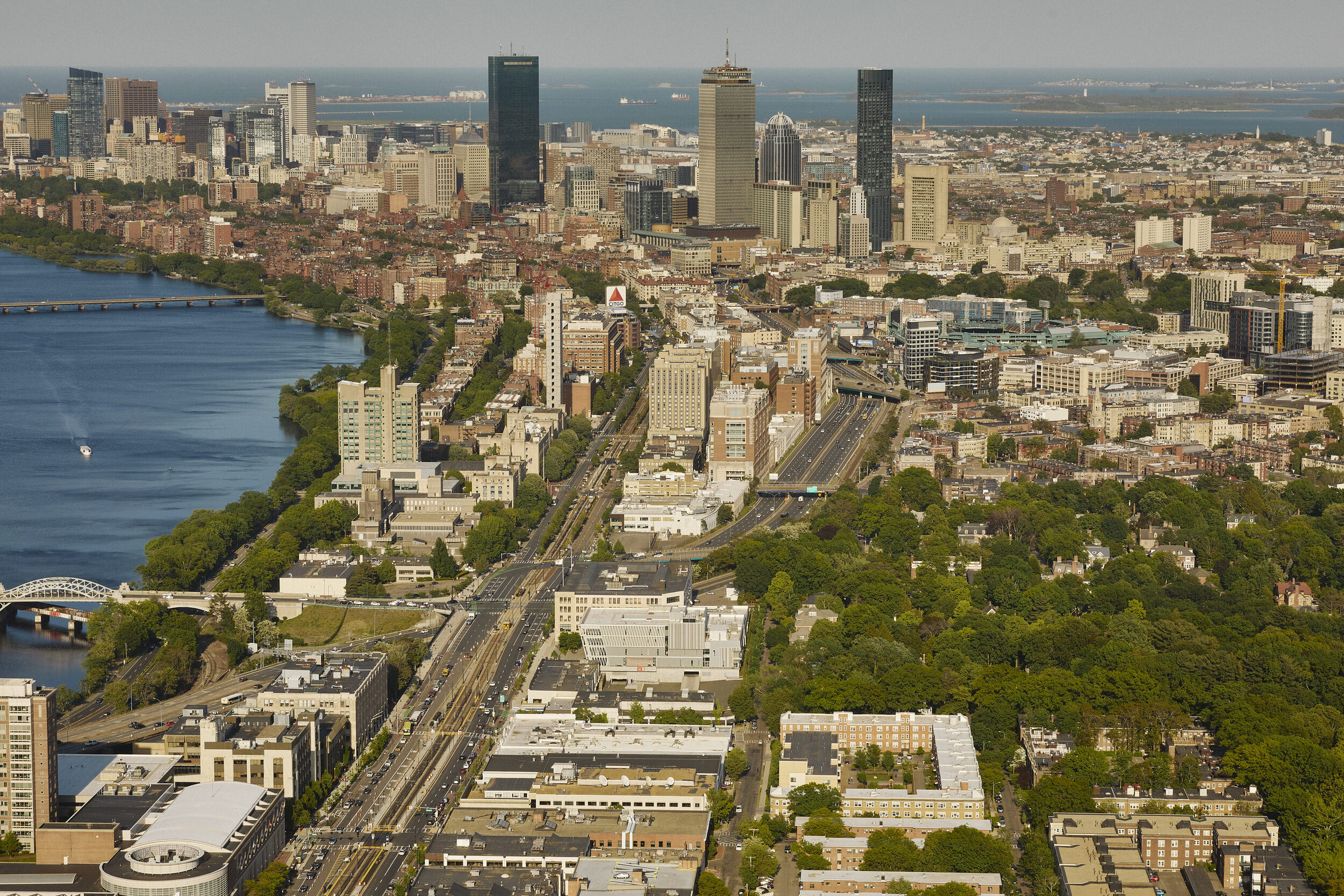
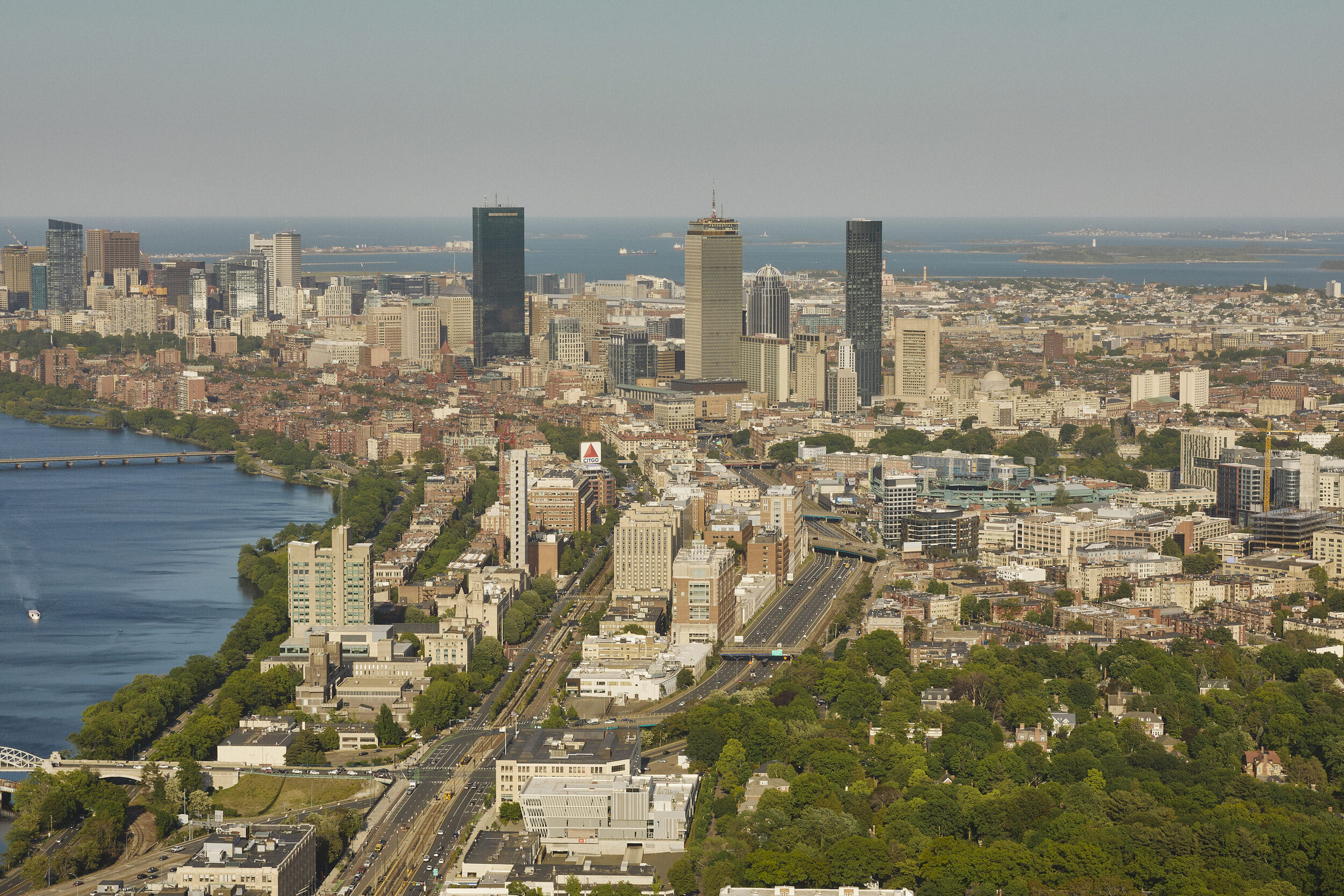
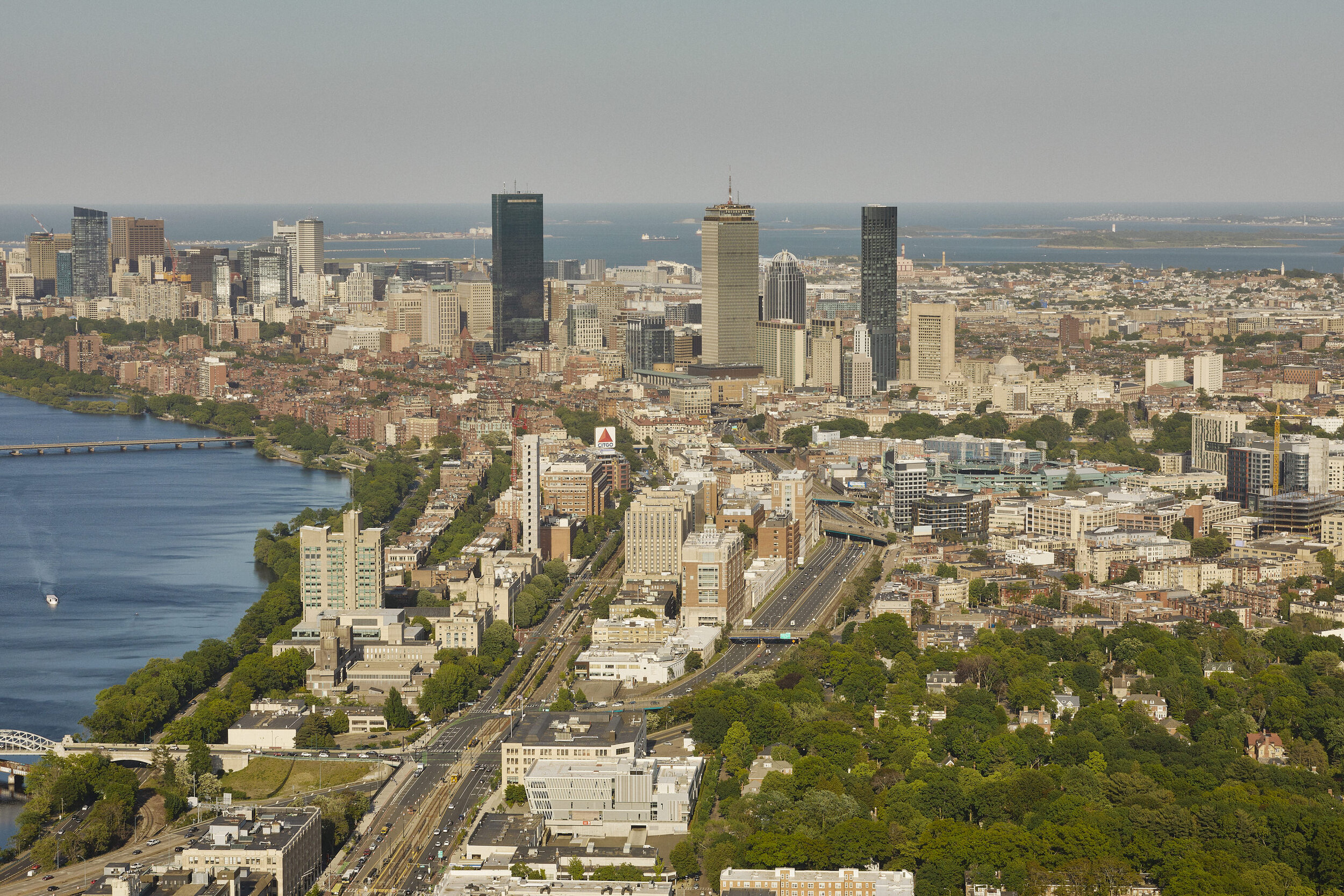
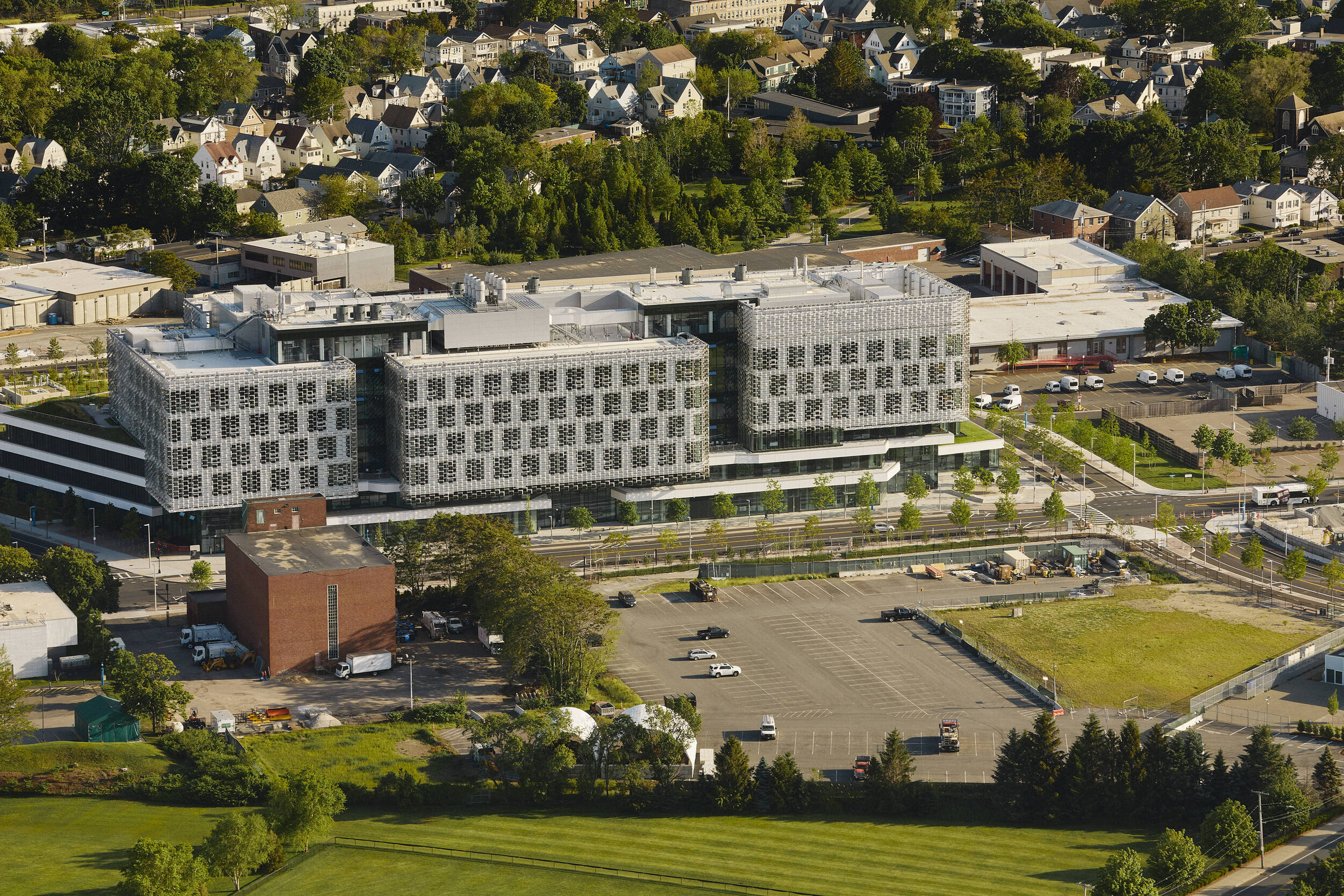

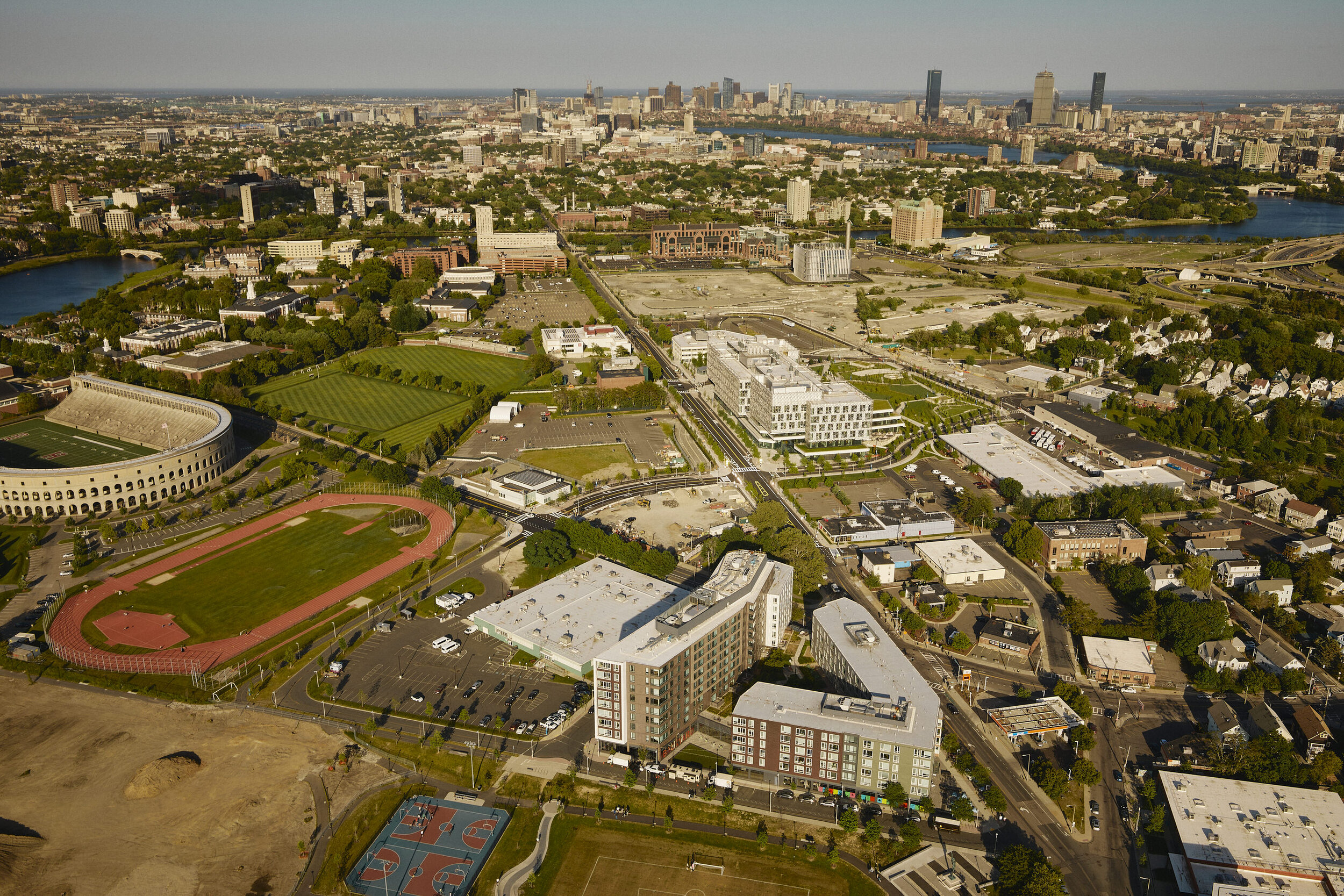
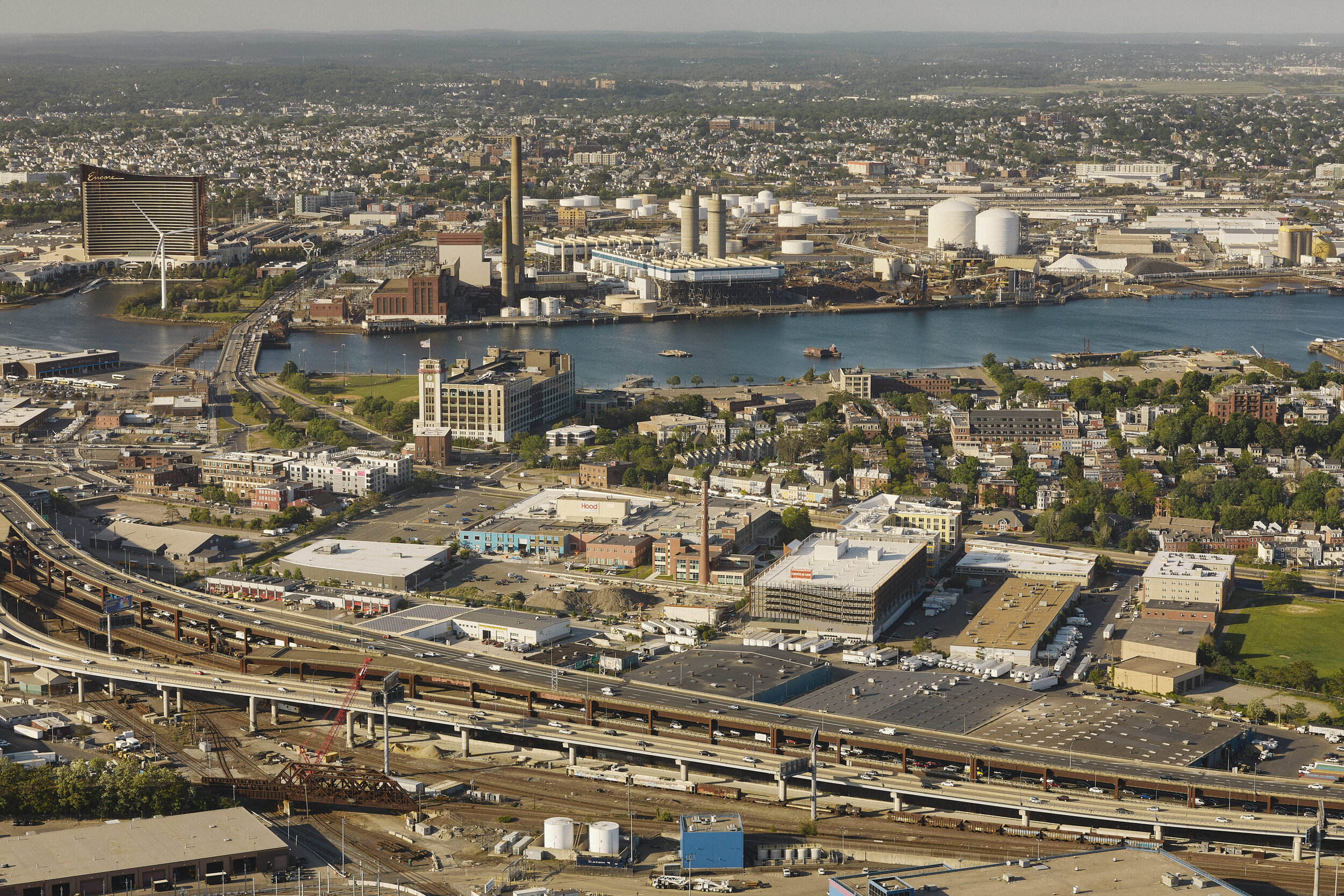

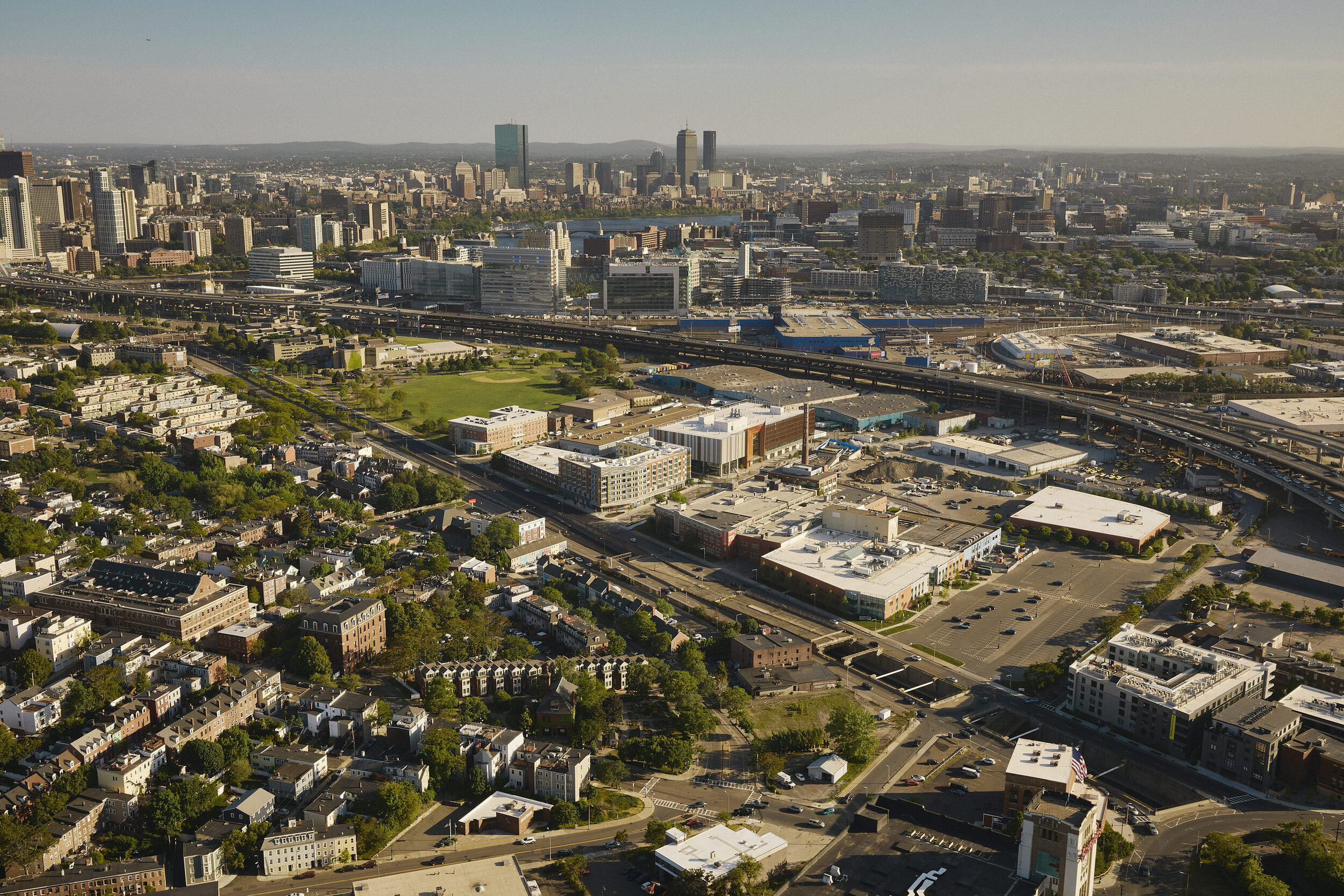
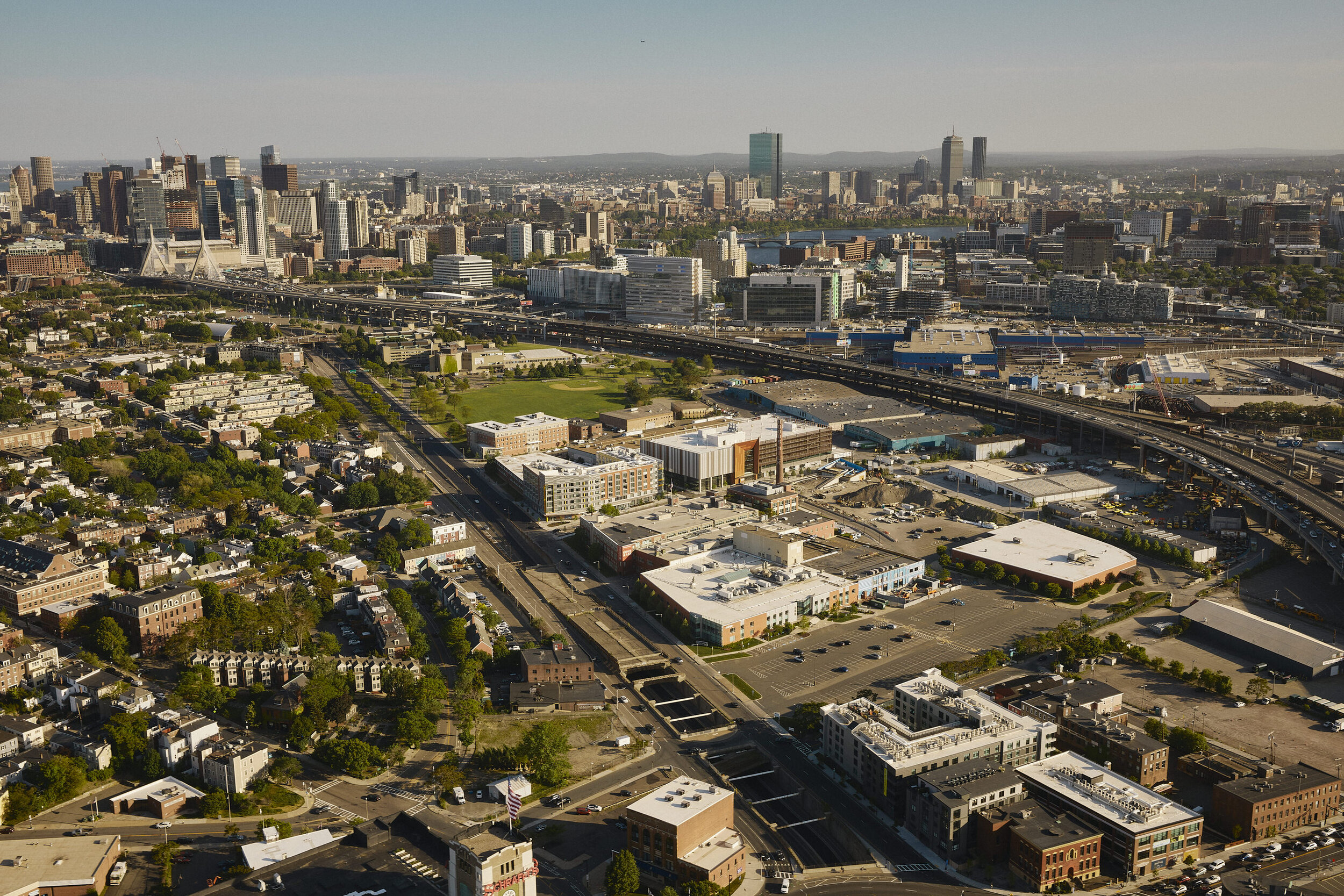
As my decade as a self-employed photographer comes to a close, and I head out to pursue new roads, I'd be remiss without mentioning that my dad - the man who inspired me to pursue my passions and take a chance on myself - was a naval photographer during Vietnam, based out of Oahu. I grew up with stories of him hanging out of helicopters and from the bellies of planes photographing from the sky. Every once in a while, life does come full circle. And, sometimes, just in time.

Is licensing the enemy? Or are other photographers?
For the second time in about six months, I've had to explain to new clients why they can't just "have the images" and "use them however they want."
For the second time in about six months, I've had to explain to new clients why they can't just "have the images" and "use them however they want."

Nathálie Wine Bar, Fenway - Wolf In Sheep Design & Fennick McCredie Architecture
Two weeks ago, I received an email from an up-and-coming architect from New York. Like many who reach out to me for the first time, this person's email opened with compliments about my work and information about how they found me. Then they explained the project they needed to have photographed, not giving too much away, but leaving room for me to ask for more information. And, as all of these emails do, they humbly asked what my rates were and if I were interested.
So, I responded, thanking them for the compliments and offered compliments of my own about their work. I also graciously thanked them for reaching out during these times. Choosing to spend money on photography is somewhat of a luxury these days, so I don't take lightly their decision to shop for a photographer. I then tried to gather a little more info before dropping a price. I also asked if other parties would be interested in buying-in on the shoot (it's common practice, saves my clients some money, and it’s a great way to increase revenue). Given that we're essentially in a buyers market right now, I chose to dance delicately through this negotiation to offer this potential client top-tier images without too great a cost.
When I heard back, I learned that only a few interior images were necessary, maybe 4-5 photos, tops. There wouldn't be any other parties that would be buying-in on the shoot. Contractors, interior designers, or vendors were not going to be involved with this shoot. The architect did mention that they weren't able to afford too much. They're a small firm, and judging by the photography on their site, they've been photographing projects themselves until this point or have had a friend with a camera photograph for them.
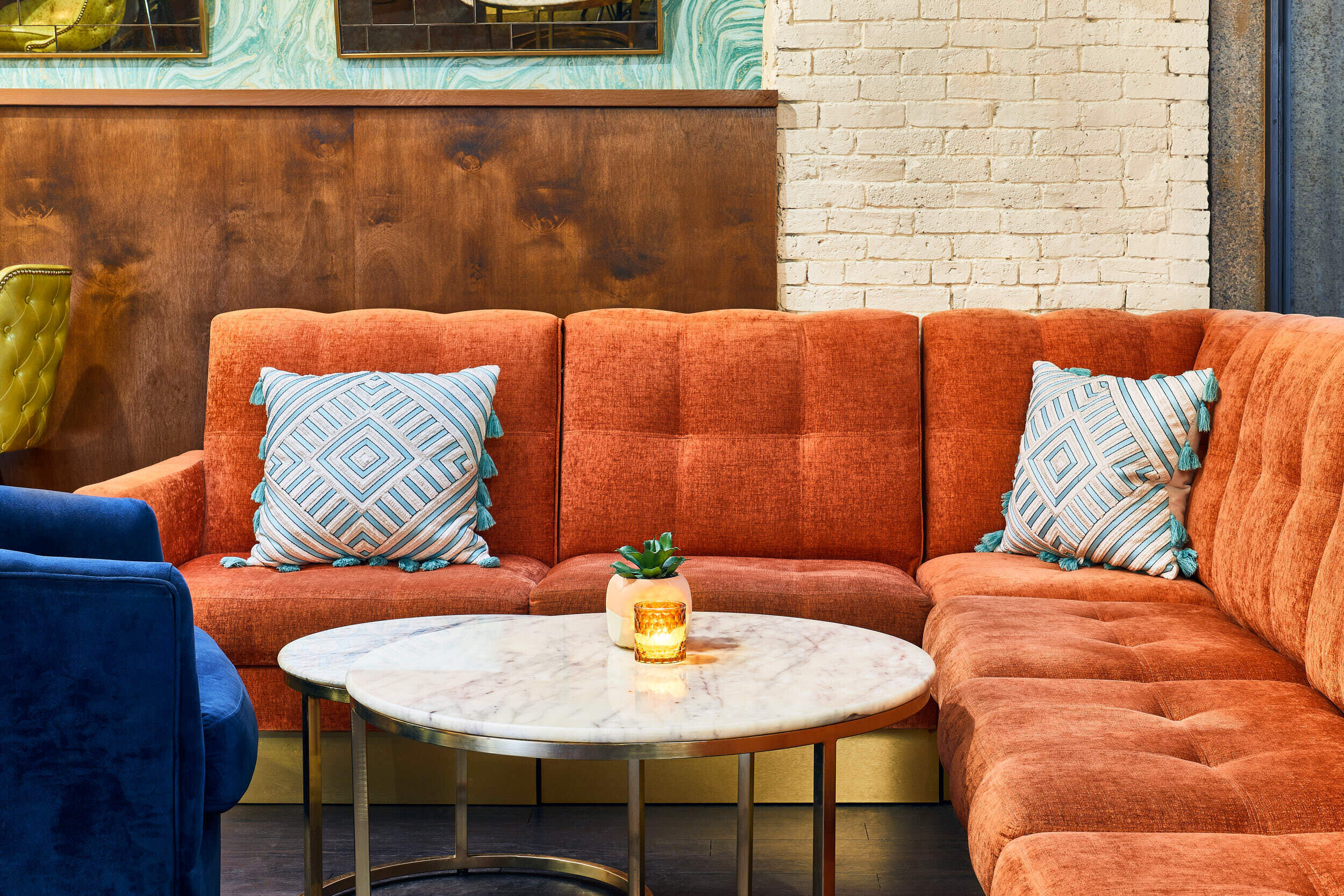


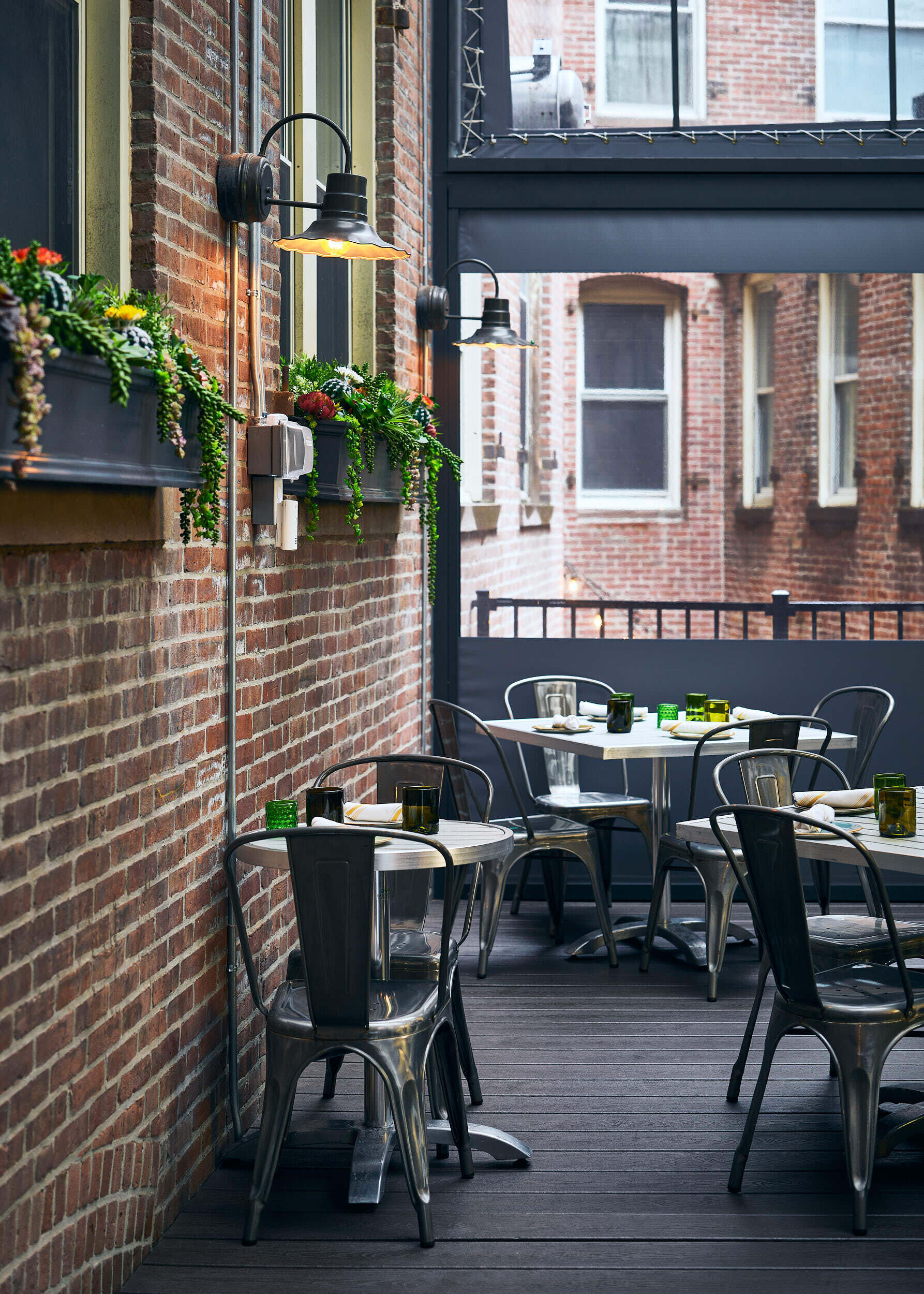
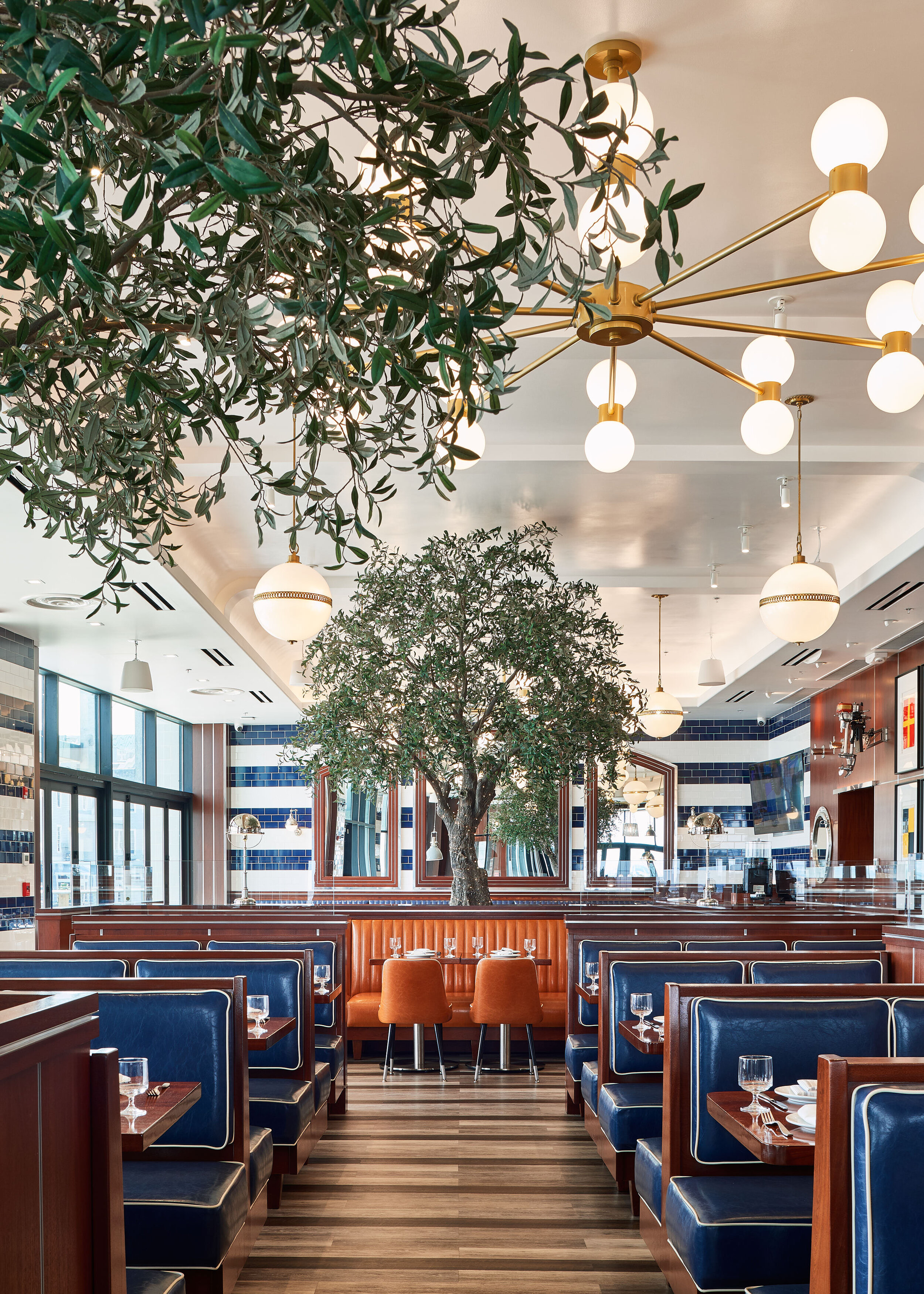
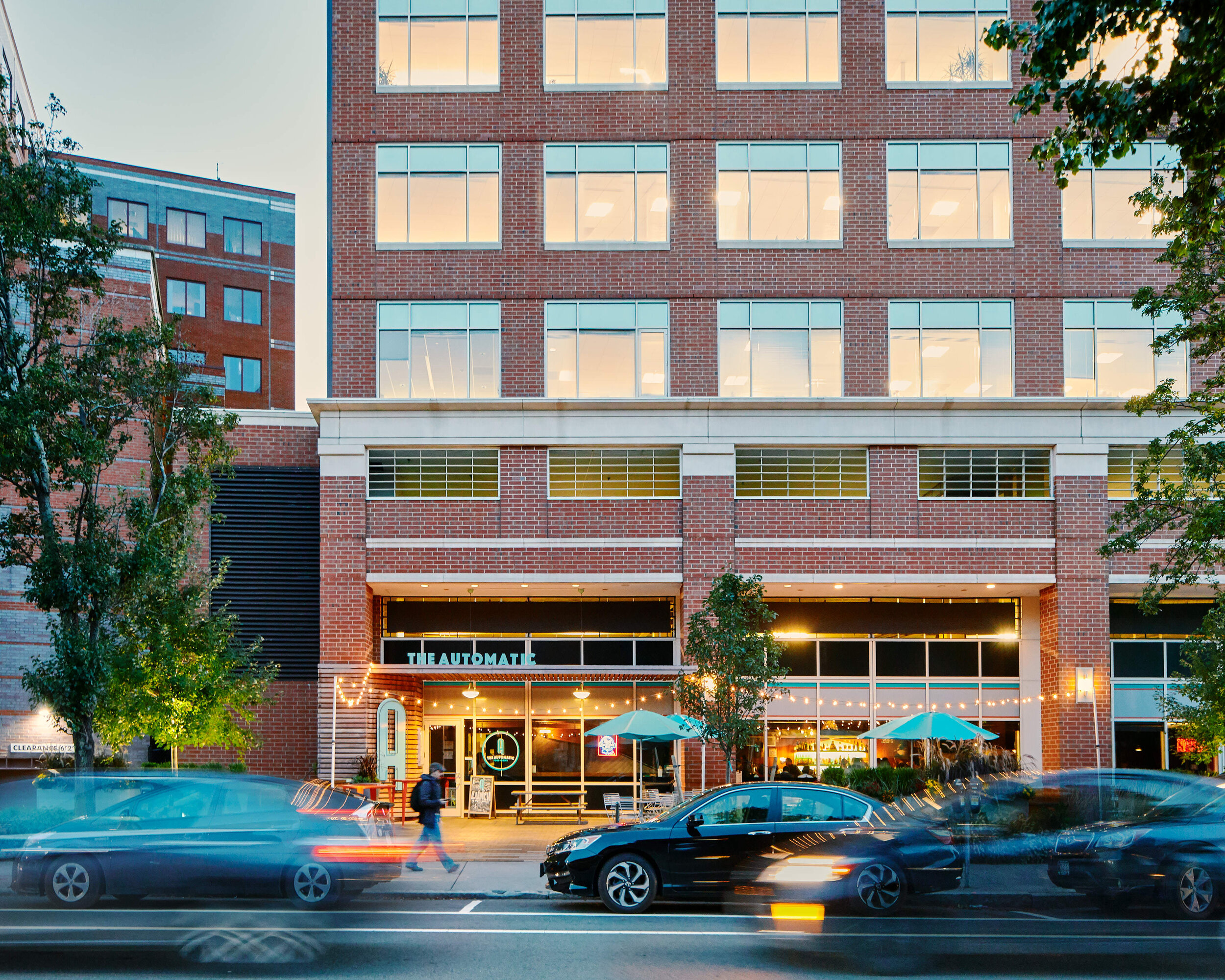
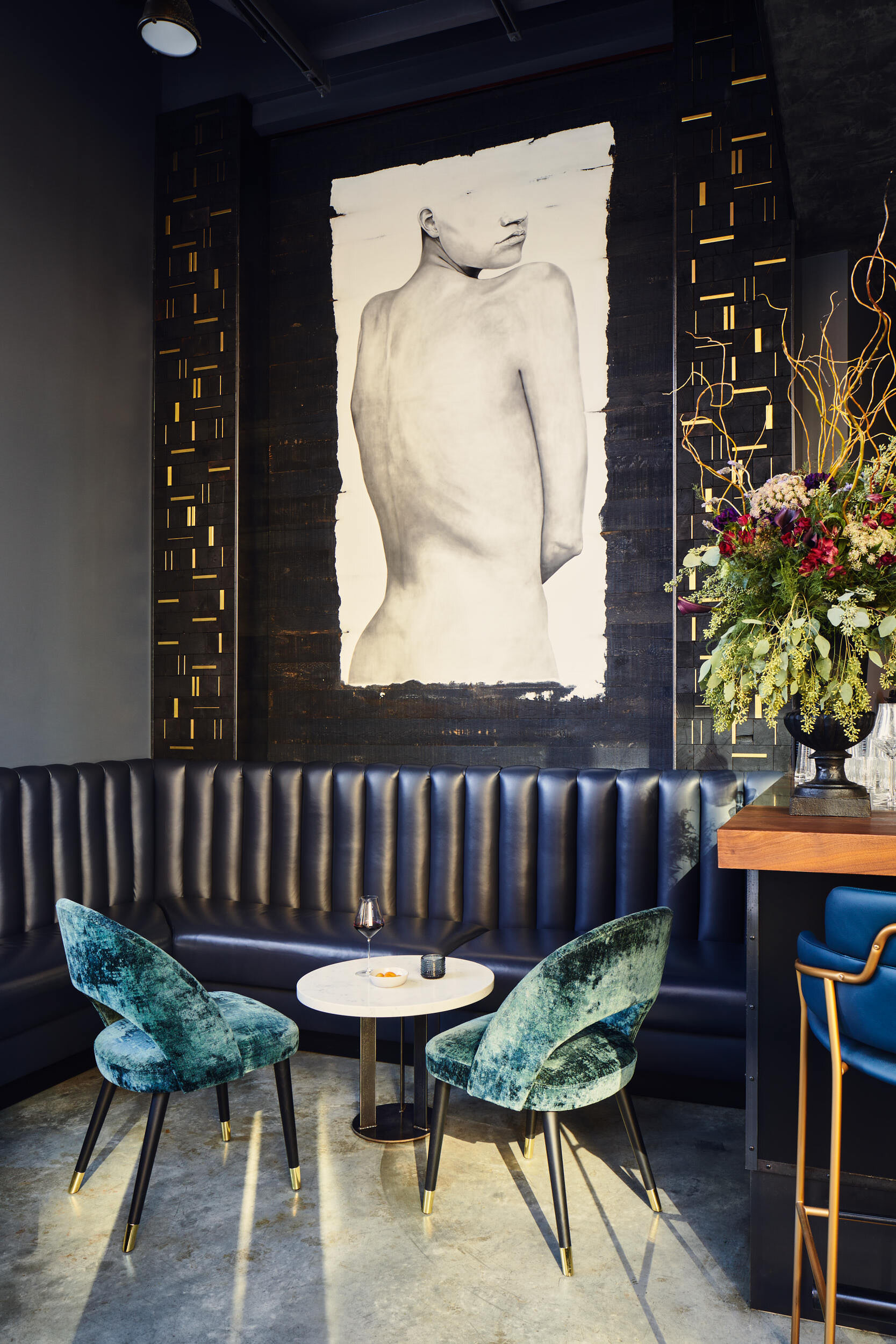
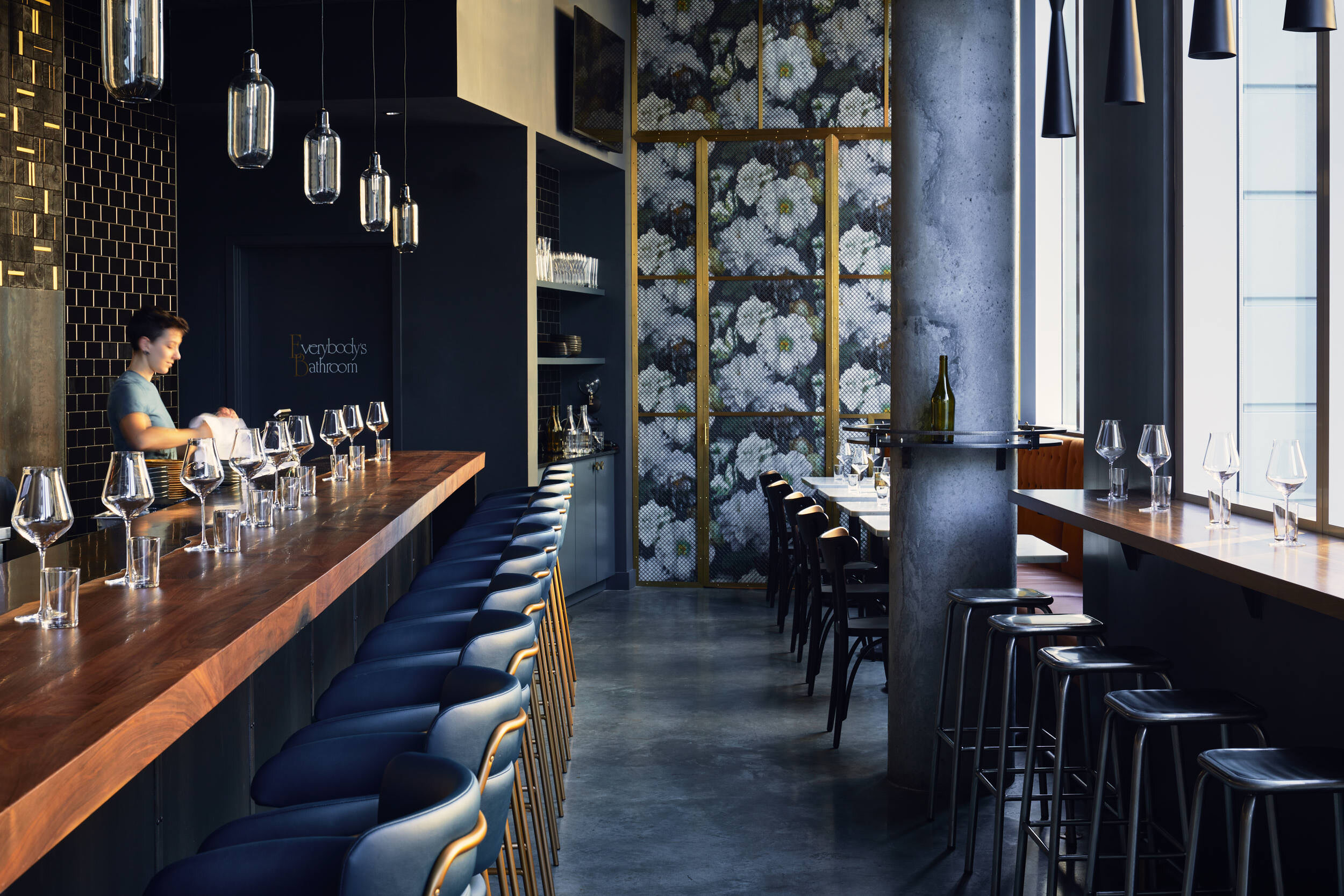
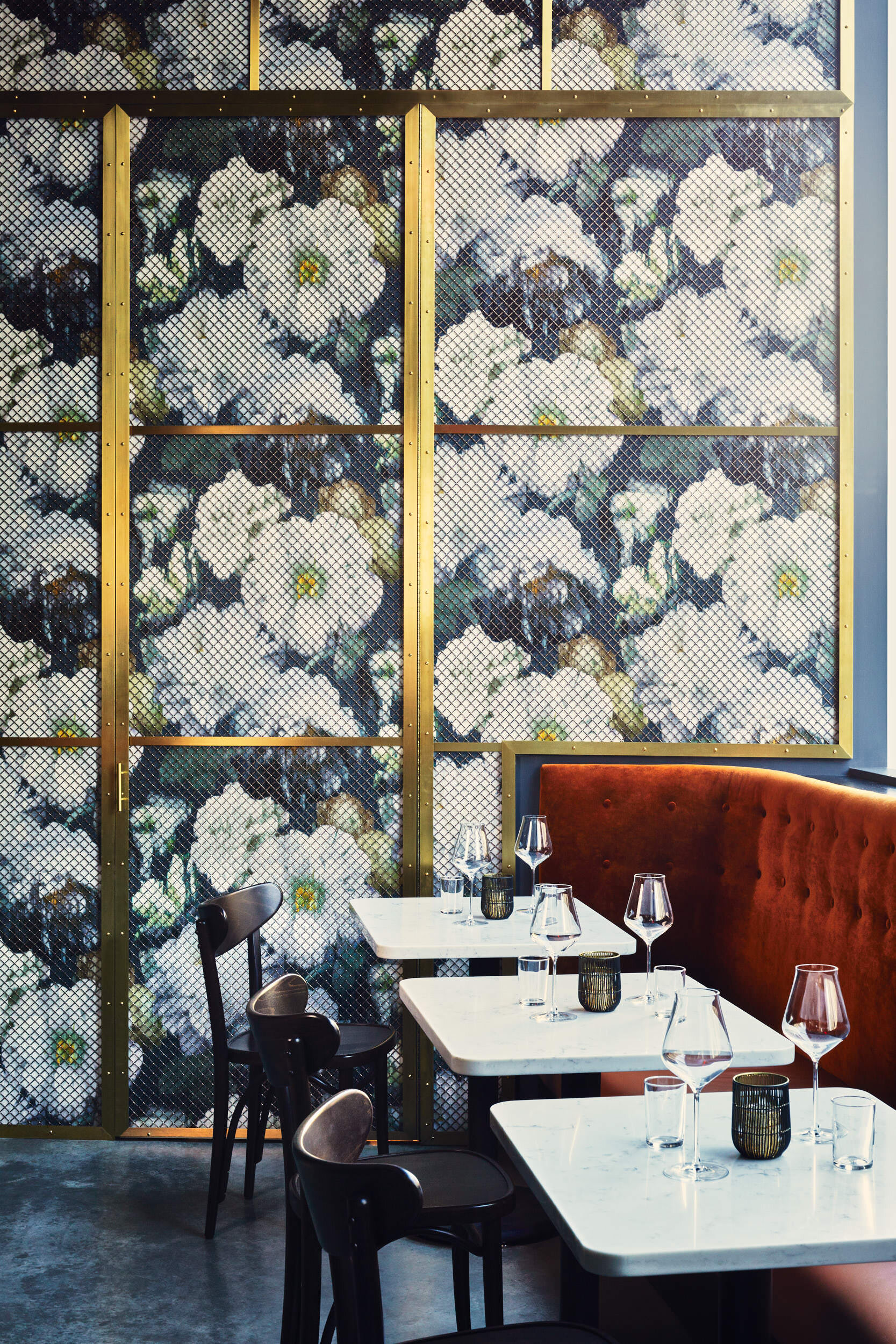

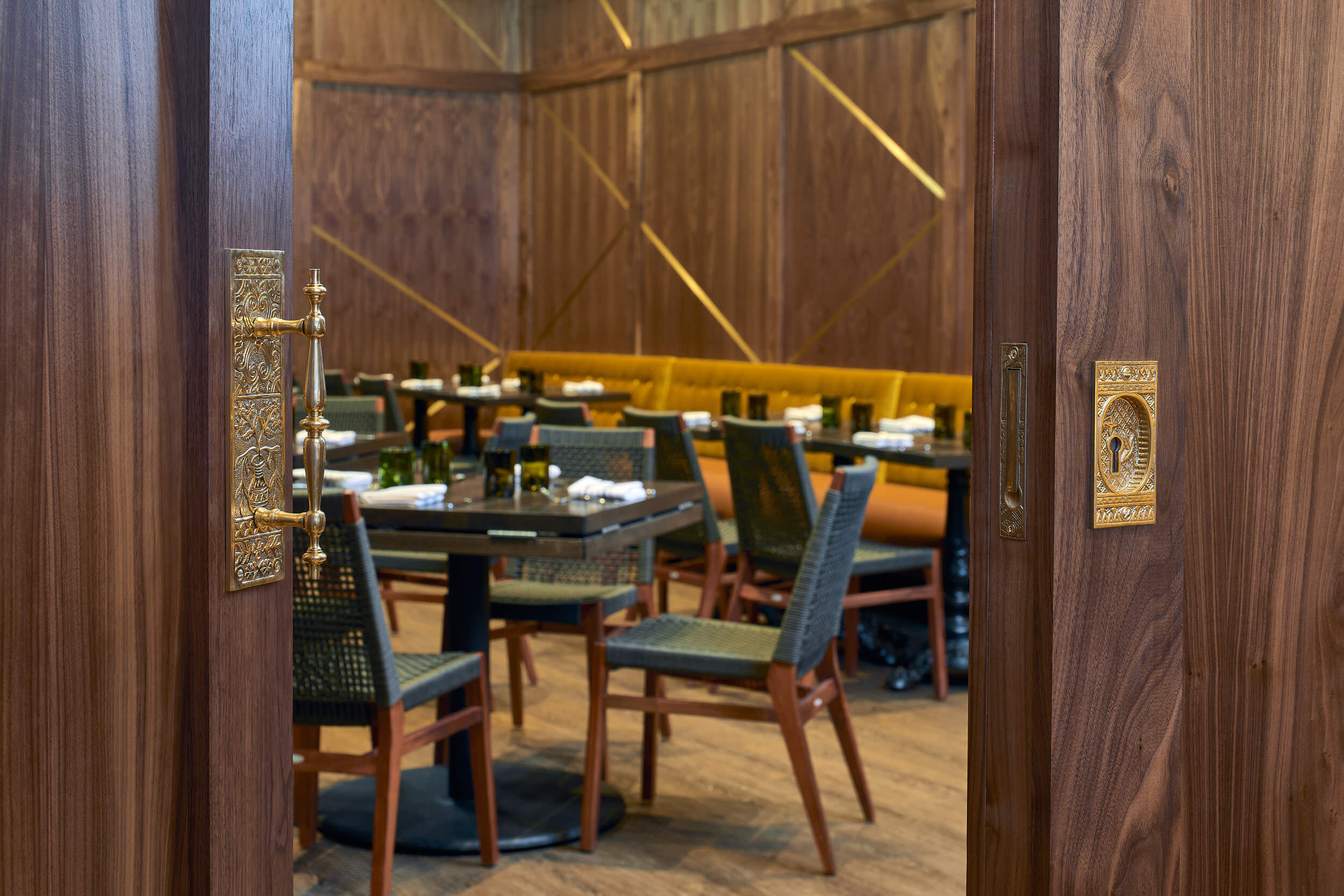
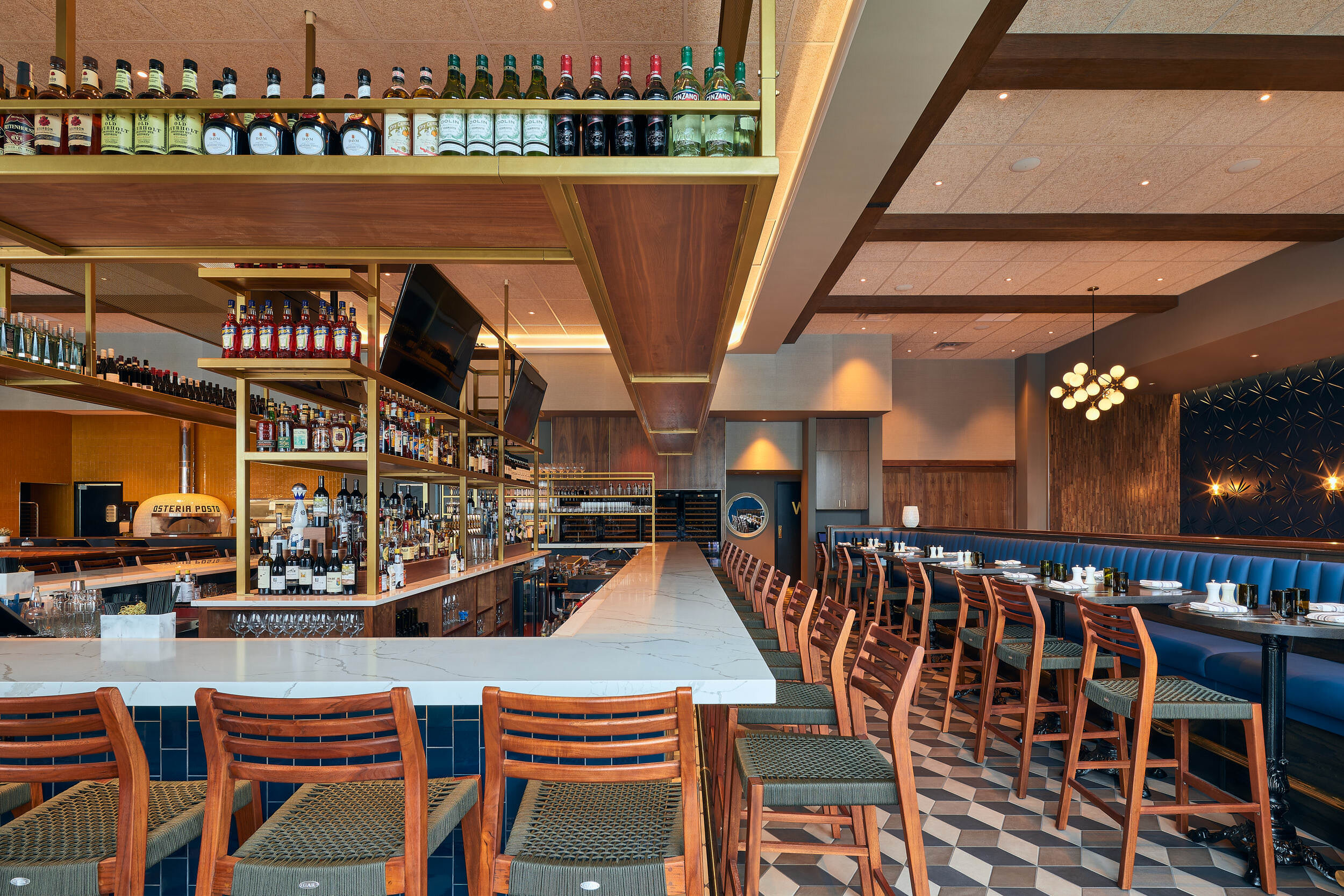
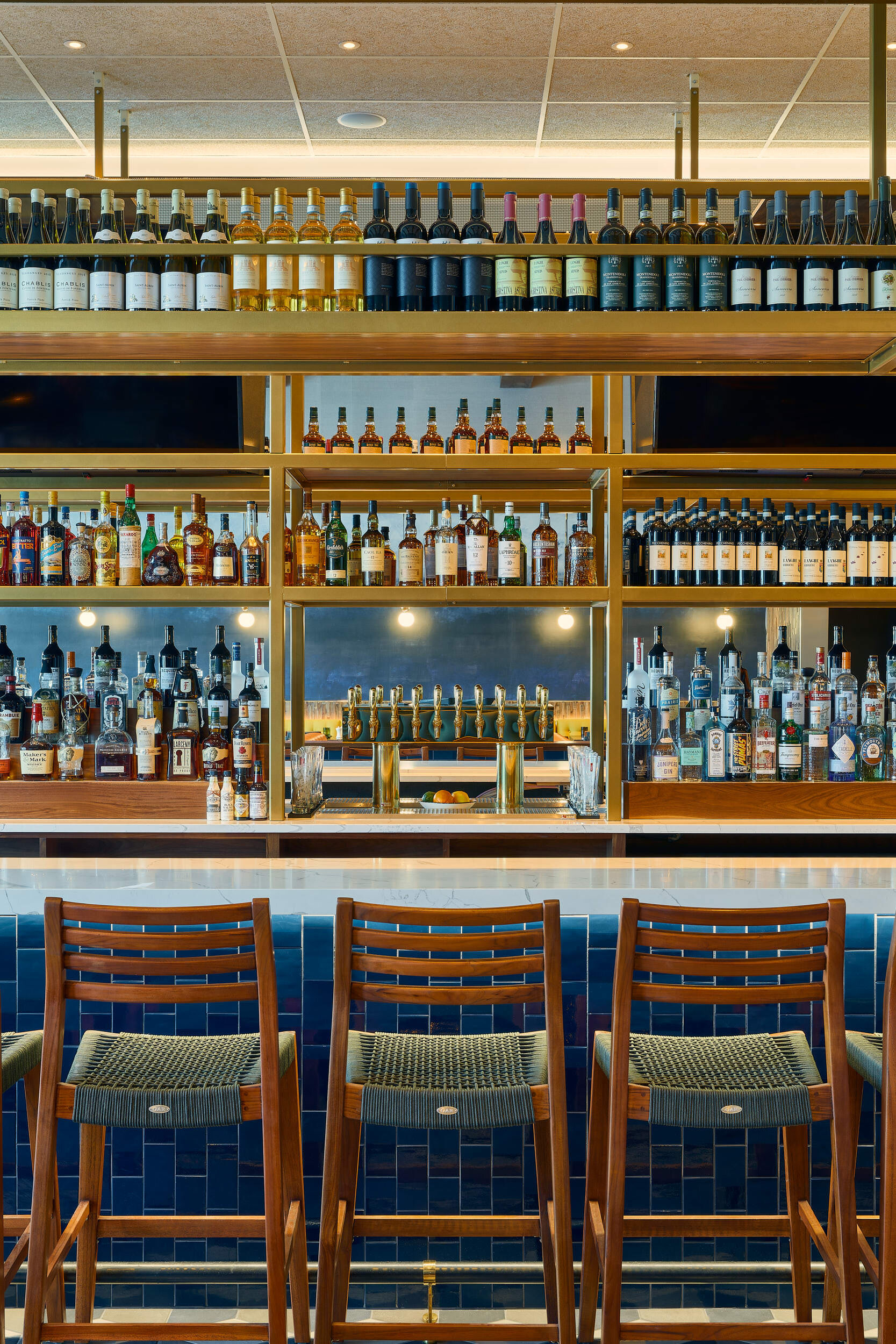
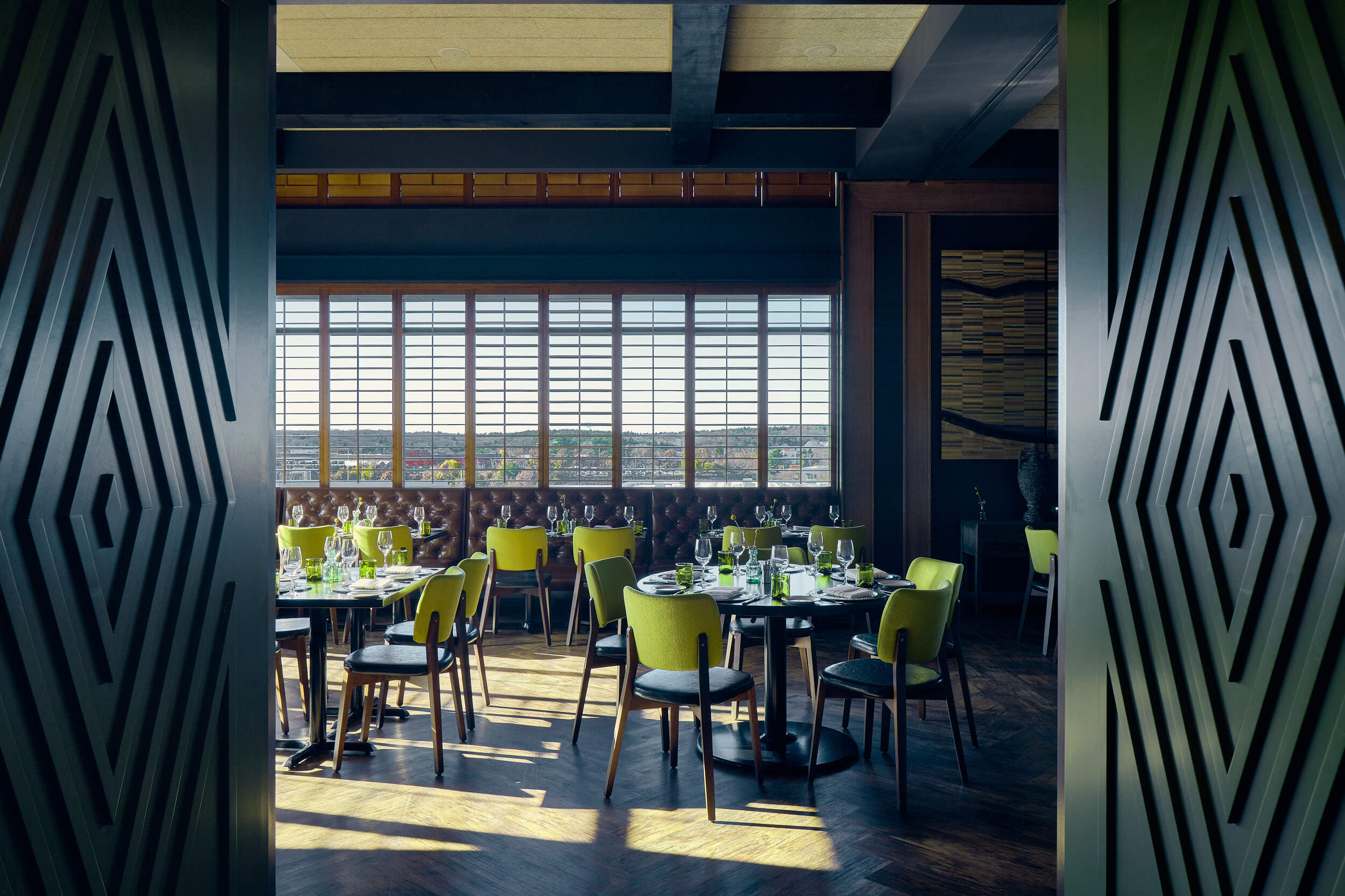
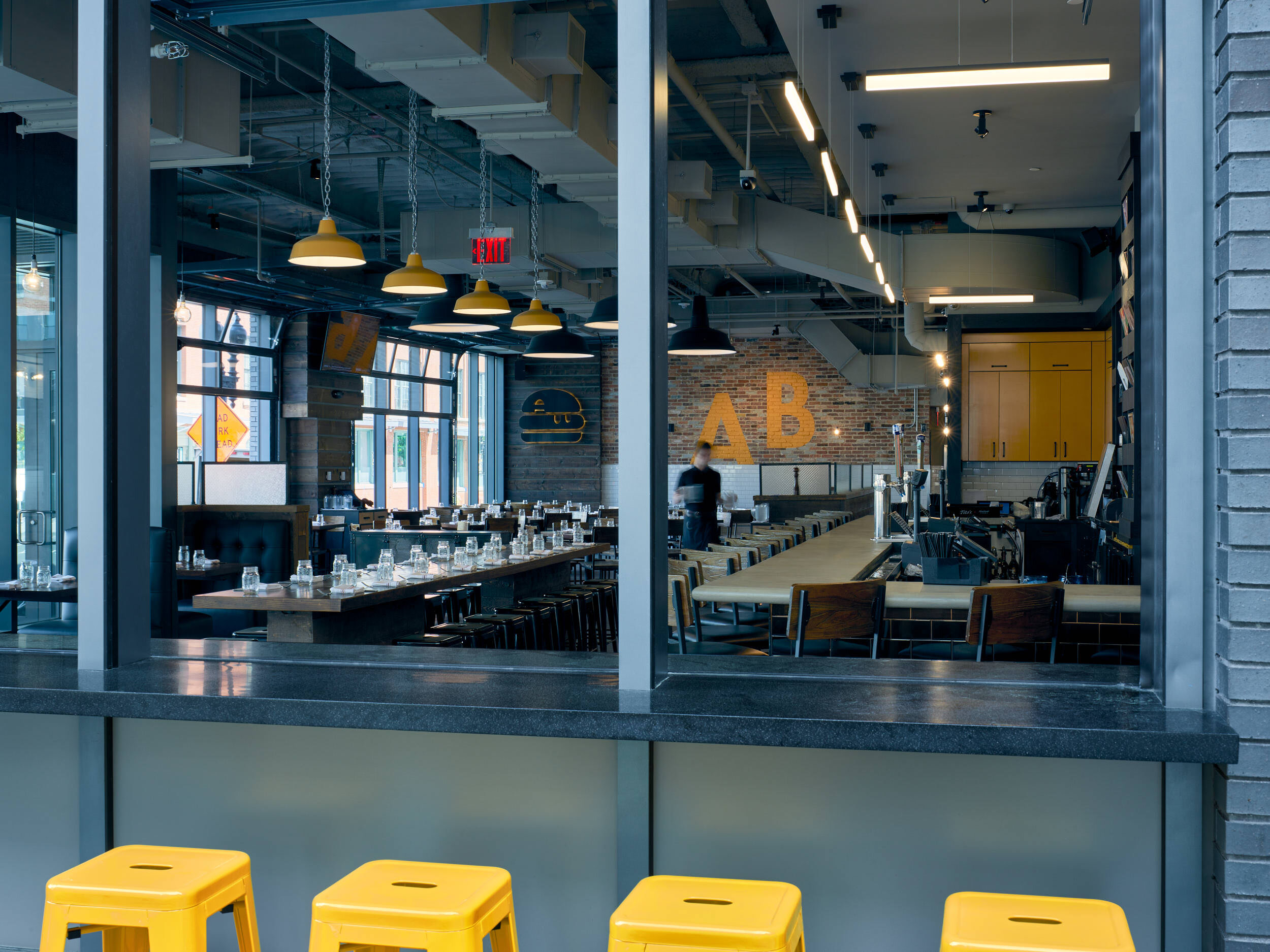
Understanding this project, I could photograph without an assistant and take only the more significant part of an afternoon right up until sunset to complete the shoot. I was able to conceive a price that seemed comfortable for both of us. I also reserved in my mind the potential to resell the images to those other parties later on, if they become interested. After a quick back and forth, the price was agreed upon - at this point, only through email.
Now during all of this, I explained how my licensing worked. I outlined how I choose to retain ownership, copyright of the images as the creator, and license photos for commercial use. My commercial license would allow the small firm to advertise regionally, use the photos on any website owned by them, publish the photos on their own social media profiles, print them on promotional materials, display them digitally in presentations, archive them, and submit them to competitions. My only request was that if another party was to benefit from using the images, they be referred to me to purchase a one-time license (like a blog, magazine, or newspaper). I have always held firm, that yes, editorial publications use social media as advertising. And that all magazines have a budget for photography. When a blogger or magazine publicizes an article written about my clients and posts my images on their sites and to their profiles, they produce content that is then analyzed for engagement, which drives advertising dollars. Once images are widely shared, a vast audience also wrongfully assumes that the photos are up for grabs. As a business owner, I have to protect my assets and revenue streams.
My last point was that if you're spending money on photography, why would you let someone else get the images for free? What if you spent thousands of dollars on a shoot, and found out I just gave the photos to the contractors and vendors for free?
And, here's when things changed.
For the second time in about six months, I've had to explain to new clients why they can't just "have the images" and "use them however they want."
This architect told me that photographers in LA (and let's be honest, it's not just in LA) were happy with just billing a fee for the shoot and just giving the images to their clients to use however they want. Theirs to own, they said.
Wow.

Nathálie Wine Bar, Fenway - Wolf In Sheep Design & Fennick McCredie Architecture
First off, whoever is doing this, you're operating an unsustainable business model! If you're new to this business, there's a learning curve, and I'm sure you'll soon course correct and find there is a way to make money as a photographer. But, if you've been at this for a while and this is your modus operandi, I hate to say it, but you are the reason why you're working so hard and not making any money. And, you're devaluing the work of your peers.
After pleading my case and reasonably explaining why I couldn't just let them send the images to the well-known, internationally recognized publications in exchange for photo credit, we amicably decided to go our separate ways. The architect told me that they were better off just trying to find someone who would let them own the images.
If this is a growing trend, this industry will fail. Conversely, if clients are happy paying more, then I’m sure I can find a way to be happy letting them use the images however they want. But, if fees keep falling, then there’s nothing to save this ship from drowning. With the closing of so many professional photography schools, it seems only university photography programs that specialize in fine art are the only places left to educate our photographers of tomorrow. While I, too, started by offering shoots for a meager price, I never did any work for free or let the photos be shared in exchange for photo credit. My tax guy can't send the IRS clippings from the newspaper showing my business generosity for donation expenses on my Schedule C. Trader Joe's doesn't accept widely shared images on social media in exchange for groceries.
Suppose we're giving up on intellectual property rights. In that case, being an independent, freelance photographer will not be a profession in the future. If we're not taking this business seriously now, then when will we?
Sorry for the rant. If I reencounter this over the next six months, I dare say that the writing is on the wall.
- Joe
Past Articles about copyright, licensing, and pricing:

Taxes... still with me?
At the end of the year, to help your clients, send them a nice note letting them know if they are required to report any payments they made by check to you, totaling over $600 for the year. If it's a mixed bag of check and credit card transactions, do the math for them and be nice about it. Let them know that they are not to report all of the credit card transactions they made on a 1099-NEC. If they tell you, "We have to report it," now would be an excellent time to educate them a bit more. Inform them about the hassle this will cause and the costs you might incur to remedy this with the IRS later.
Income Double-Reporting: 1099-K vs. 1099-NEC
What happens when a client submits a 1099-NEC for payments they made by credit card?

American International College | Phase Zero Design
Disclaimer: This information is not to be construed as legal or financial advice. I am not an accountant, nor a lawyer. I am simply using an example from a situation I’ve experienced in my professional life to bring attention to the cause and effect of double-reporting income. Before responding to any letter from the IRS, please consult an accountant. If you don’t have an accountant, get one. I’ve worked with mine since 2013 and it’s worth every penny.
BACKSTORY
Late last year, I received that lovely envelope bearing the IRS's logo. Their letter stated that in 2018 the company I use to invoice my clients and process credit card payments, Square, had reported a sum of money on a 1099-K form. They submitted that to the IRS on my behalf. They then stated that I failed to report that income and was now responsible for a tax bill with interest.
Here's the thing: I know how this works, and I did report that income.
So, why the mix-up?
When a client pays by credit card, that third-party payment processing company is obligated to report those transactions at the end of the year. Since it was money that "passed through their hands" and on to mine, less a transaction fee, I'm sure they would want to report that money wasn't income for them. And it keeps business owners honest.
But, if your client then submits a 1099-NEC, reporting that same money they paid by credit card, this money is now being reported twice.
Yup, I know. Fun.
After gathering evidence to support that my paperwork was in order, and clarifying that this was all a misunderstanding, I asked my accountant to reach out to them and point out that someone at the IRS didn't know math. My accountant then sent off a certified letter to the IRS stating as much for a mere $500 fee, I must add.
Now, I'm sure my letter is buried in a pile of similar letters because I'm sure I'm not the only one engaging in correspondence with the IRS this year. So, I don't expect this to resolve itself anytime soon.
SEE ONE, DO ONE, TEACH ONE
If a client pays for your services by credit card, that credit card processing company will keep a record of those transactions and file a 1099-K at the end of the year on your behalf. It's essential to cross-reference your payments to track which invoices were paid by credit card or check. It is possible that a client may also pay you by check and by credit card for multiple jobs throughout the year.
At the end of the year, to help your clients, send them a nice note letting them know if they are required to report any payments they made by check to you, totaling over $600 for the year. If it's a mixed bag of check and credit card transactions, do the math for them and be nice about it.
Let them know that they are not to report all of the credit card transactions they made on a 1099-NEC. If they tell you, "We have to report it," now would be an excellent time to educate them a bit more. Inform them about the hassle this will cause and the costs you might incur to remedy this with the IRS later.
Here's another long and tedious article by an actual accountant that explains when a 1099-NEC needs to be filed. It will go into numbing detail about the tax law. Still, it may give you some clout when informing your clients that double-reporting is a real issue, and it also may be against the law.
I hope this helps someone out there! Cheers to everyone pushing on and taking 2021 two-steps forward.
Thanks,
Joe
"Money is not nice. Money got no friends but more money."
Quote by J. Steinbeck / The Winter of our Discontent
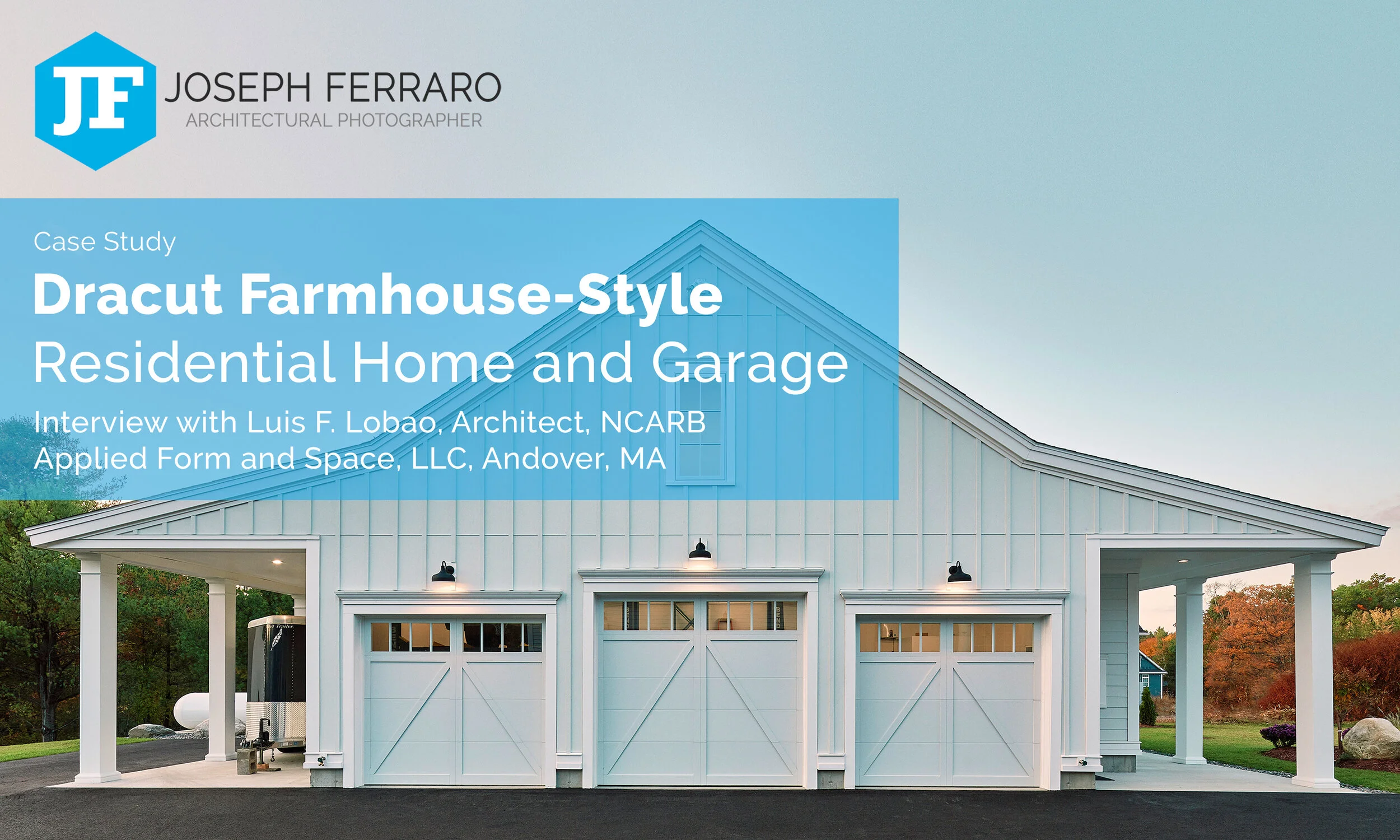
Dracut Farmhouse-Style Home and Garage
"It became clear that the nature of the site, it's location, the backdrop of the meadow and surrounding woods, kept pushing towards the image of a farmhouse." - Luis Lobao, Applied Form and Space

For Applied Form & Space Architects, LLC, Andover, MA © Joseph Ferraro, 2019
Client: Applied Form & Space / Luis Lobao (Architect)
3 Dundee Park, Suite B02, Andover, MA 01810 / 978.474.1945
Shoot Date: October 14, 2019
Location: Dracut, Massachusetts
Site: 3,200 sq. ft. (Home); 1,320 sq. ft. (Garage)
Style: Farmhouse with Shop/Garage Barn Design
Featured Highlights: Shop/Garage, Breakfast ("Gathering") Room
Photo Assistant: Tony Degrazia
Click here for the extended Gallery.
"It became clear that the nature of the site, it's location, the backdrop of the meadow and surrounding woods, kept pushing towards the image of a farmhouse." - Luis Lobao, Applied Form and Space
Introduction
When a longtime client calls with an assignment, featuring a farmhouse-style home with a garage designed as a barn, and wants to have it photographed during some of the best foliage days in New England, it's hard not to want to grab my camera and get out there first thing. New England is known for its distinct seasons and vibrant autumns. Having the opportunity to use these scenes as a natural backdrop is only possible during a short time, a mere two to three weeks of bright color if we're lucky. It's not long before a predictable, yet unexpected storm inevitably rips through the northeast and tears the colorful leaves to the ground.
The home happened to be in Dracut, MA, a border town sitting just below the State of New Hampshire. The architect, Luis Lobao from Applied Form and Space, actually grew up with the homeowner. This project endured a couple of revisions as the family grew, and their priorities shifted. I spoke with Luis to gather some more details and backstory that would not only support the images in this article but give us all some perspective from the design-side and highlight the problem solving that takes place for architects every day.
Planning Stages
"Having grown up in the neighborhood with one of the owners and being a current neighbor, the owners approached me to help realize their vision on a plot of land they had recently purchased. While outwardly different from the completed work, even during the initial design process, the owners' aesthetic taste gravitated towards timeless, simple forms inherent to the New England lifestyle."
It must have been the season because while Luis and I were talking about the project and determining what our goals were, I couldn't help but dream up a visual wishlist of my own. There's something about autumn in New England that slows the mind's pace a little bit, and maybe it's in witnessing the natural world around us calmly approach its winter dormancy. A lot of New Englanders, northern ones especially, like to pick-on the leaf peepers that travel from near and far to see the change of seasons. I know that deep down, they enjoy that morning coffee on the front porch, or on the docks pinned to lakes throughout the region, donning their thick sweaters while watching the geese race south, set to a backdrop of auburn, bright yellows, and tones of golden brown and orange. No one is immune.
But, color alone wasn't enough to entertain my wishes. I wanted to see some fog. I needed a fog. I've become a bit more interested in the atmosphere I present in my work. Analyzing and predicting weather has become an obsession. Just a clear, bright day doesn't cut it for me anymore. And, it's not just fog I'm after, I want mood.

For Applied Form & Space Architects © Joseph Ferraro, 2019
With the warm days and cold nights that take over northern-New England mid-autumn, I was hopeful that we might start the day with some fog. It so happened that Franklin was on to something with his "early-to-rise" quip because it paid off in dividends. Arriving just as blue-hour began, around 6:10 am, there was enough light in the sky to illuminate the barn-style garage, but even the Moon stayed around long enough to make a guest appearance. I wish all assignments could start so well.
Exterior
Although the home sits on acreage that was once farmland, the function of the garage was a space for the homeowner to build and to create. Growing up, "the owner would make customized bicycles, some to sell, but his favorites to keep. Now those were replaced with fully custom motorcycles and customized cars." It was clear to Luis, the homeowner's "vision of a working shop where the mechanically inclined owner can have his space was fundamental to this project.
The detached barn is a vehicle hobbyist's dream. Separate from the attached garage for the daily drivers, and it accommodates interior storage lifts allowing for storage of up to 4 vehicles. It also includes a tall center bay with a working lift for building and repairing vehicles. An exterior parking bay for the motorcycle's transportation trailer is also provided."

Though the initial focus for me, photographically, was the barn-style garage, it wasn't the only plan for photography that day. The home featured design elements that took into account the family's desires, but also played in symphony with its surroundings. It wasn't until I read Luis' words below that I began to understand the cadence of his creative process and tonal range of his problem-solving facility. As you read his words below and reference the photography, I find a contemplative mindset and a well-curated playlist help to tie all of these ideas together.
"The front farmer's porch is low to the ground eliminating needs for railings. Instead of traditional porch posts, beefier columns were used to give the monochromatic design more visual weight. An asymmetrical main gable provided an anchor and a visual clue to the main entry. The gambrel form along the longitudinal axis allows for the necessary usable space for the second-floor bedrooms. The sweeping curved rake of the southeast gambrel allows for an elegant transition to the farmer's porch roof. It responds to the curving road's approach, with its arcing profile dramatically angled toward it. It anchors the simple rhythm of the windows that sweep up, implying the interior stair. On the rear, a simple screen porch nestled between the house and the attached garage allows for summer enjoyment of the meadow and hills beyond."

Interior

For Applied Form & Space Architects © Joseph Ferraro, 2019
The first thing you notice when walking into the home is a large room, filled with sun, with windows looking out onto undeveloped land, lit up with the changing colors of the season. With the idea of creating an open concept, they did not want to compromise on charm. And, while the dining space just off the kitchen is in-and-of-itself its own identifiable space, the high ceilings and large windows allow the area to breathe and maintain that well-intentioned feeling of home.

"Meeting the owners' desire to have spaces that feel open without losing the homey feel that fully open concept spaces sometimes can. The breakfast room is flooded with natural light throughout the day and has become the owner's favorite room – so much so the architect now uses the term "gathering room" to describe these types of spaces. Natural light is a priority, achieved by using nearly 6' tall 6/0 windows throughout the main living level."
The high ceilings continue into the family room, divided from the kitchen only by the warmth of a see-through fireplace.
Challenges
All building projects inherently come with their own baggage. From issues with permits to last-minute changes, and budgets, to name a few. This project, however, took on new ground by changing the topography of the site to prepare a place for the home to rest.
"The biggest challenge came from the topography of the site, which required importing over 3,000 cubic yards of soil. The construction duration was approximately 14 months, from excavation to completion. Another interesting note is how, in addition to the architect, several other folks who grew up together or were somehow otherwise tied to the "old neighborhood" worked to complete this home. Among them, plasterer, electrician, plumbers were neighbors or childhood friends of the owners."
And, where is there any more personal a home project when you can get your friends to help you?
My best wishes to this family and their home, and that it may stay in the family for generations to come.
- Joe

For Applied Form & Space Architects © Joseph Ferraro, 2019
More about:
Luis F. Lobao, Architect, NCARB
Applied Form and Space, LLC, Andover, MA
Luis Lobao is a founding Principal and is responsible for all phases of project delivery. He has extensive experience in multifamily, office, retail, custom residential, accessibility, adaptive reuse, historic restoration, and institutional projects. Mr. Lobao received his Bachelor of Architecture degree from Wentworth Institute of Technology, College of Design and Construction. Mr. Lobao is NCARB certified and is registered to practice architecture in Massachusetts and New Hampshire. He serves as a member of the Green Building Commission in Lowell, MA. Several of his projects have received recognition from entities including the Boston Preservation Alliance and the Luxury Living Awards. (https://www.afsarch.com)

In Plain Sight
#Quarantinography was a working title for this post. I wasn't sure how to approach this next post during these abnormal times. Nor did I know just how eerie this photoshoot, on a Friday at rush hour in Boston, was going to feel. With everyone bravely adhering to the #stayhome order, I knew it would be quieter than usual. But, prepared with my PPE, I was ready for anything.

#Quarantinography was a working title for this post. I wasn't sure how to approach this next post during these abnormal times. Nor did I know just how eerie this photoshoot, on a Friday at rush hour in Boston, was going to feel. With everyone bravely adhering to the #stayhome order, I knew it would be quieter than usual. But, prepared with my PPE, I was ready for anything.
Though there were plenty of cars traveling beside me, on my way down from Salem towards Boston, once I exited the I-93 tunnel onto Purchase Street, it was as though time had stopped. Within the convolutedly-laid out streets of what is the financial district in Boston, in the shadows of brick and mortar giants, walk-signals chirped in concert with seagulls singing for an absent audience. Now, with my camera setup and viewpoints mapped out, it was time to wait for the sun to do its thing.

125 High Street, 2020 © Joseph Ferraro

125 High Street, 2020 © Joseph Ferraro

125 High Street, 2020 © Joseph Ferraro
As someone who's photography-style emphasizes control, over lighting, and composition, I am usually in a dance with the rhythm of the street among the public. But, without anyone to dance with, I had my buildings all to myself. While I wished for a bike messenger or a few cars with streaking headlights, this was a practice in presenting my subject in good light and less about action.
My goal was to photograph the available, street-level retail space at the corner of High and Pearl Streets. And, to showcase that space by placing it in context to the surrounding area to aid my clients in selling the lease to the best future occupant. Using my Canon 17mm and 24mm tilt-shift lenses, I carefully used perspective to entertain the viewer and map out the location.
I couldn't have asked for a better night in terms of lighting. There were only a few passing, wispy-clouds. The sun really delivered on a night that otherwise could've left me wanting for so much more. Not in the least, would I have preferred there to be no people at all. At least a few dozen would've helped to season these images with some much-needed signs of life.
And, it's a life I hope we get to enjoy in the company of so many others as soon as it's safe for all of us.
Stay well, Boston.

125 High Street, 2020 © Joseph Ferraro

125 High Street, 2020 © Joseph Ferraro

Sunup to Sundown: Nouria Energy at Logan Airport
I would like to take you behind the scenes of an exciting shoot from late last year. I'll go over my approach from planning the shoot, the technique behind making the images, and through the final stage of image delivery.
Over the past few weeks, I've written a few articles explaining the philosophy behind my business practices, copyright, and licensing. If you haven't read them and are interested in the business of photography, please check out those articles, here. I'll be cover more business-related topics in the future.
This week, I would like to take you behind the scenes of an exciting shoot from late last year. I'll go over my approach from planning the shoot, the technique behind making the images, and through the final stage of image delivery. Articles such as these may invite technical questions, and I hope you'll feel free to reach out with those in the comments below or by reaching me directly through email.
Let's get started.

For Phase Zero Design © Joseph Ferraro
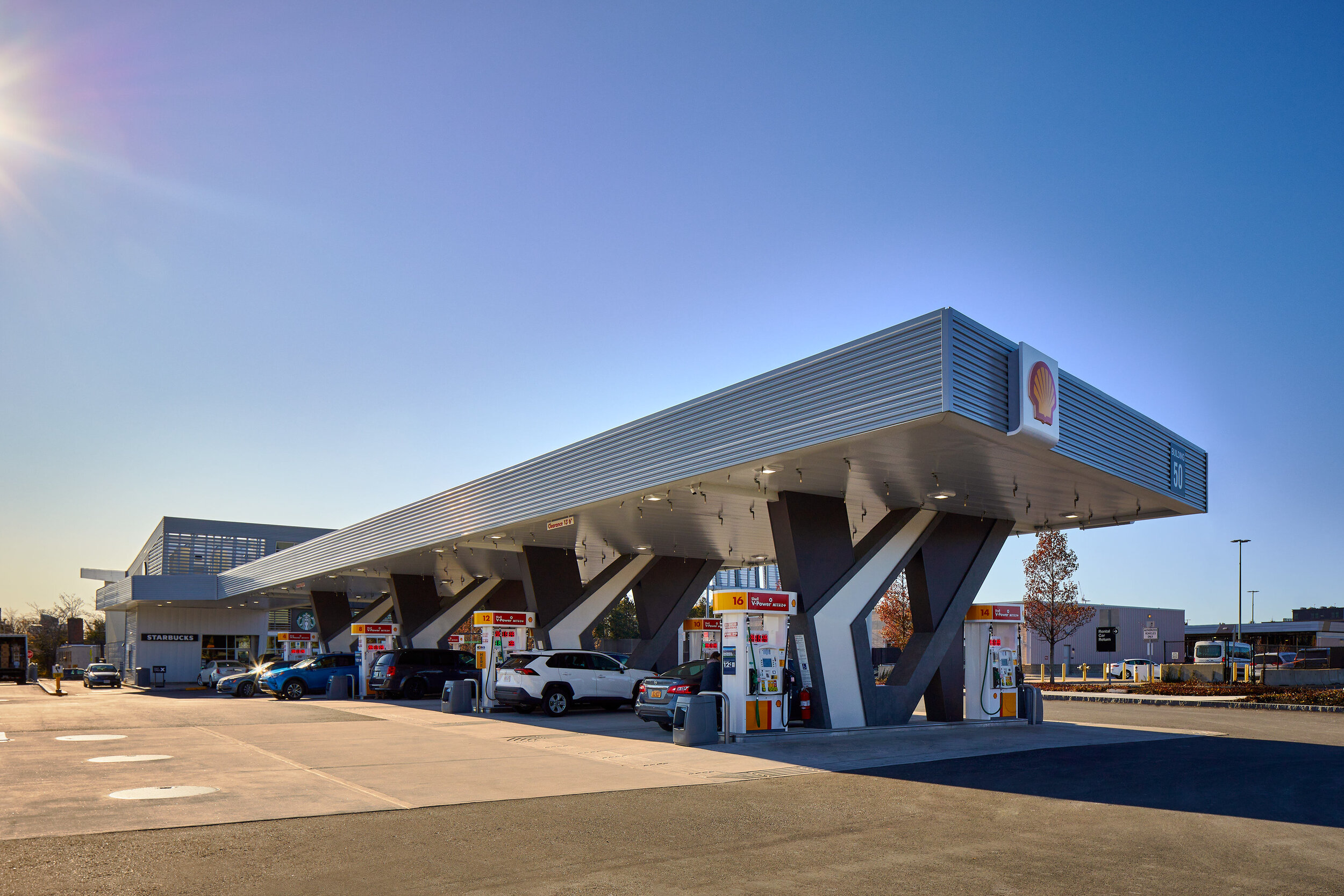
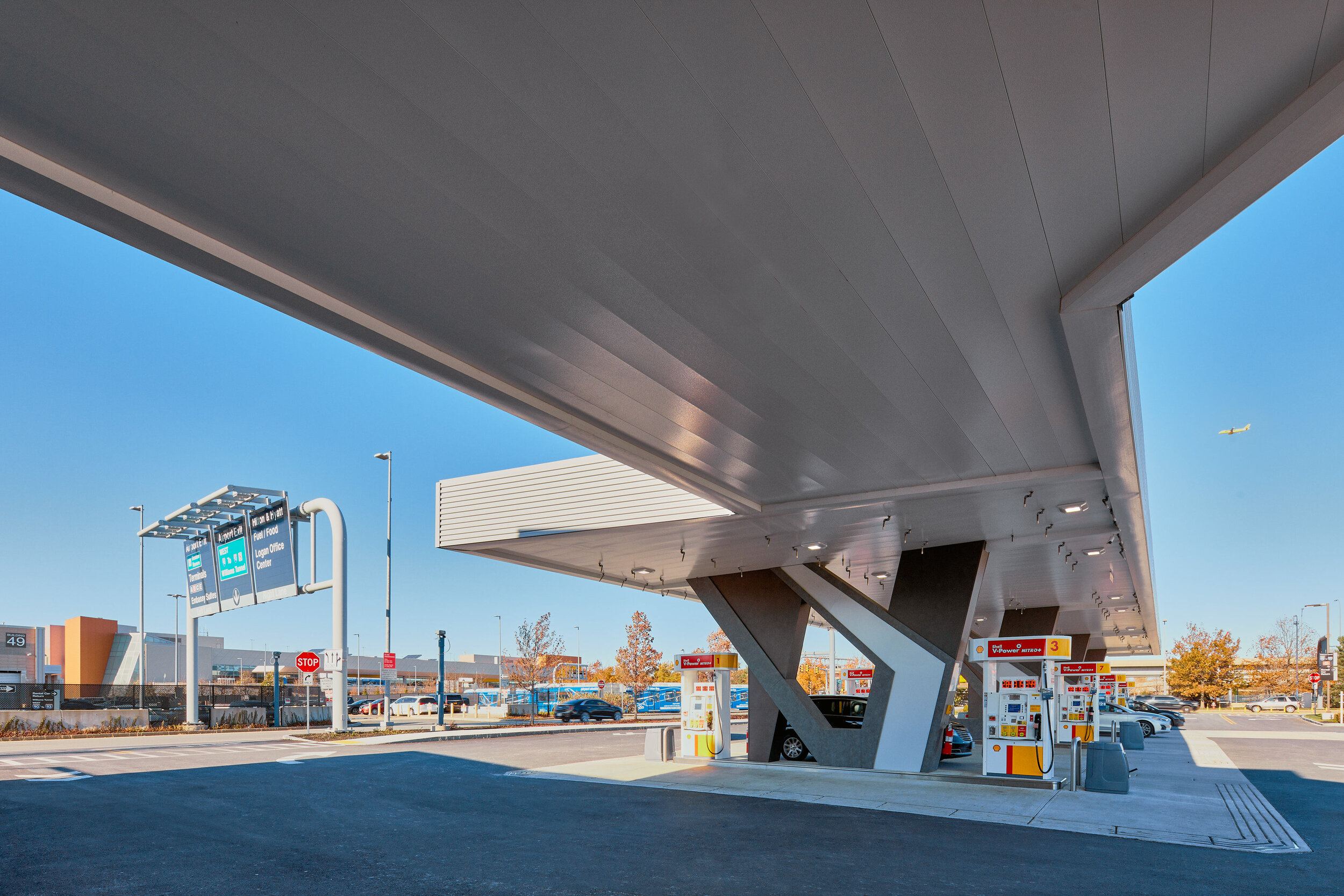
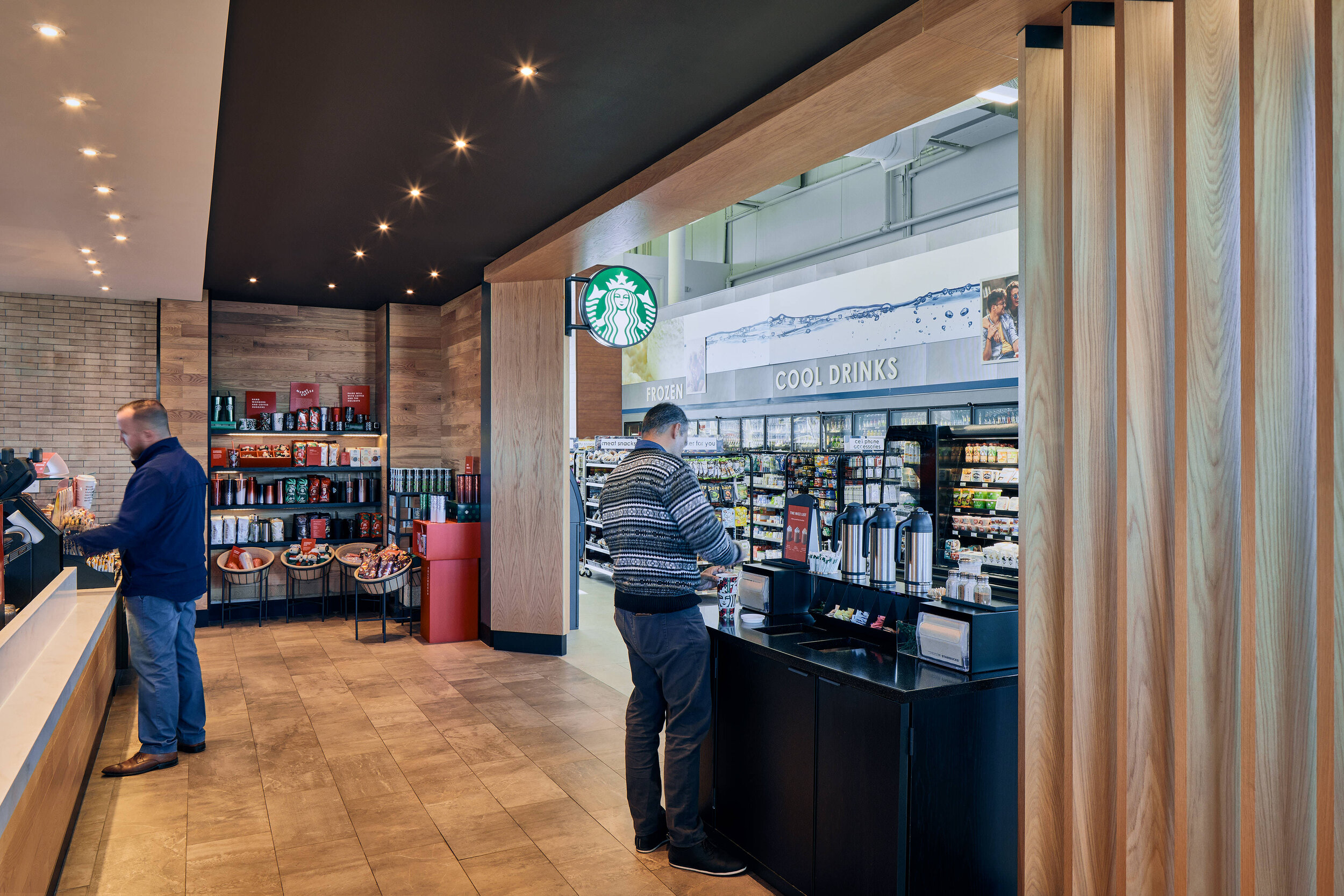
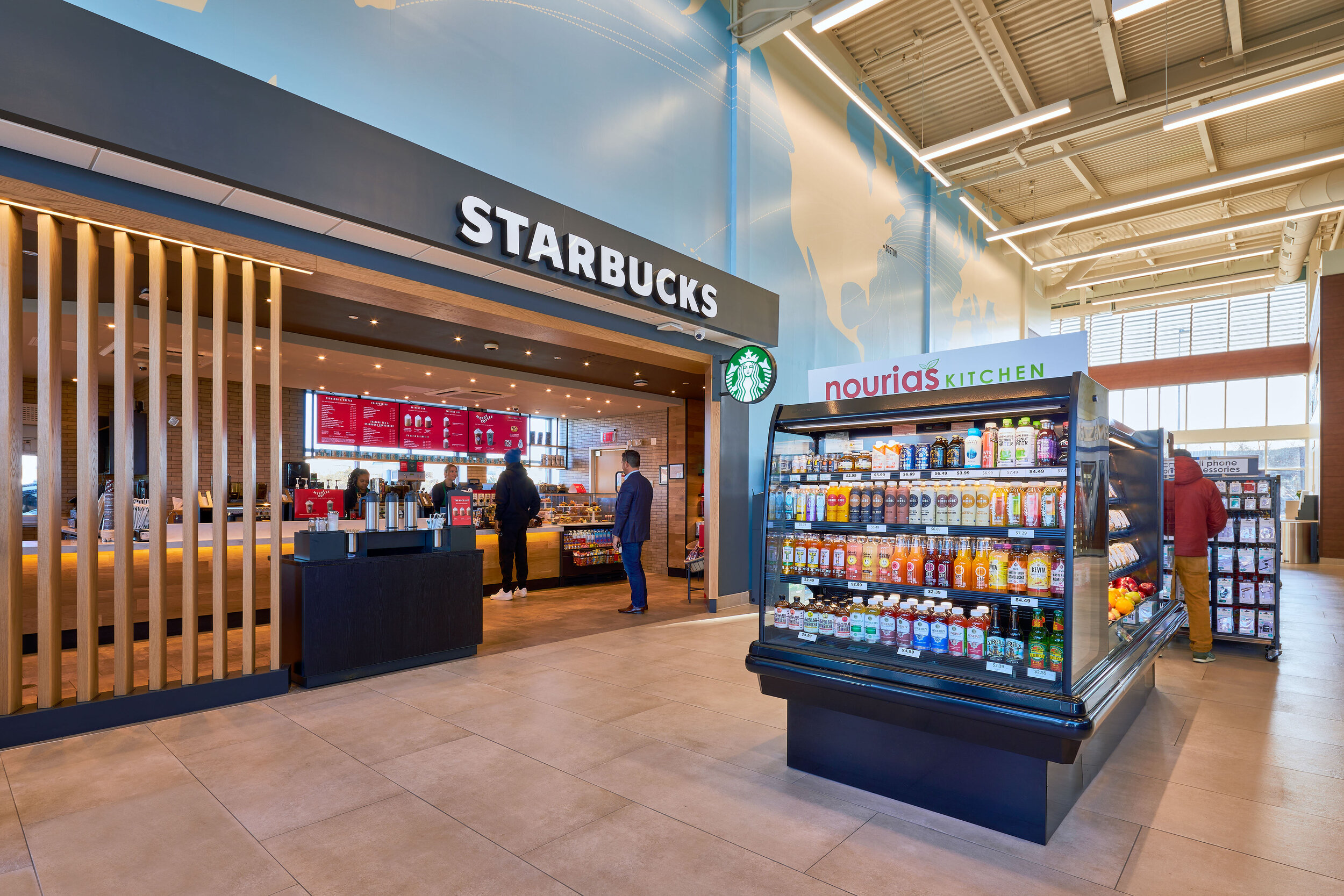
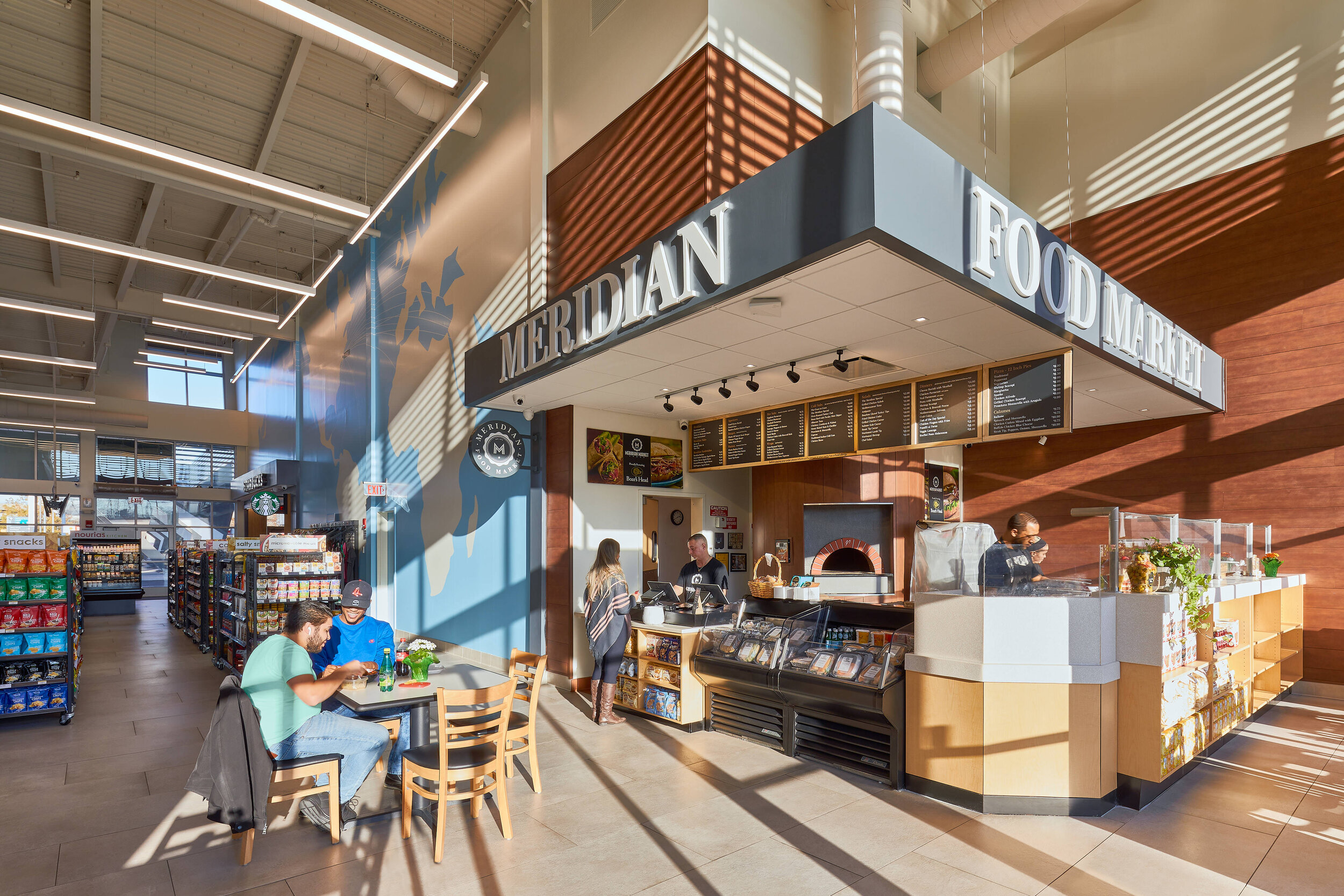
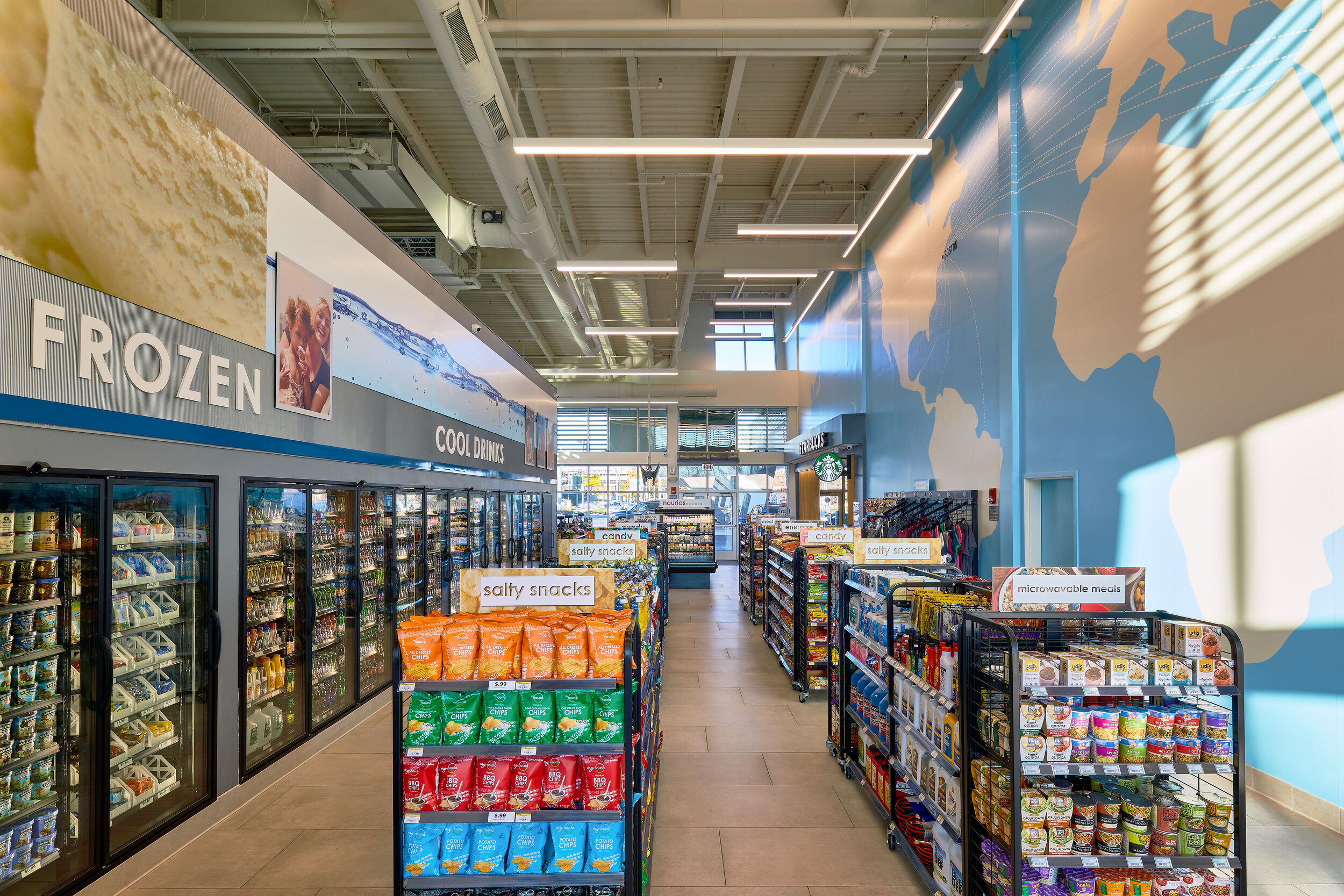
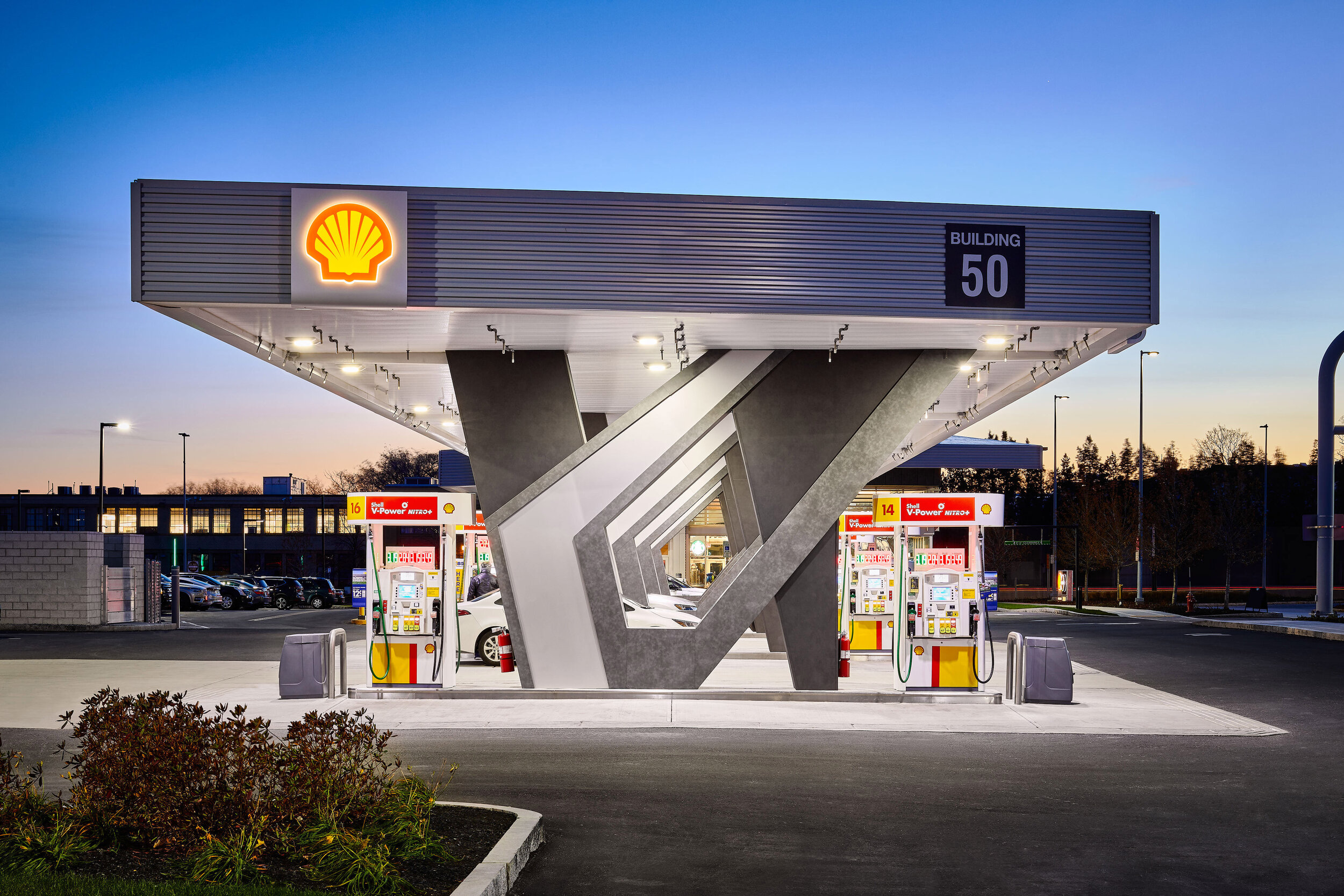
Nouria Energy Convenience Center: Logan Airport
Commissioning Client: Phase Zero Design (Architect)
Shoot Date: November 13, 2019
Site: 6,600 sq. ft.
Development Costs: $4.75M
Additional licensees: Nouria Energy (Site Owner), Entegra Development and Investment (LEED Consultant), Pure + Freeform (Materials - Metal Walls and Ceilings), The Ludlow Group (Marketing Firm), & AGC Chemicals/Lumiflon® (Materials - Paints and Coatings)
Photo Assistant: Tony Degrazia
Click here for the extended Gallery.
Proposal and Planning
I've been photographing projects for Phase Zero Design since my first year as a freelance photographer in 2014. I began working with them even before I knew I was going to dig my heels into architectural photography as a specialty. Their faith in my work has given me the confidence to grow as an architectural photographer.
As one of their projects moves into the final finishings phase, their marketing department reaches out with a Request for Proposals or RFP. After receiving an RFP, there are four main things I ask for to help estimate the costs for photographing their project accurately.
Nouria Energy © Joseph Ferraro
Final Number of Deliverables. Approximately how many images are Phase Zero Design interested in licensing from this project? Going into a shoot without knowing how much work is involved is a recipe for failure. The final number of deliverables does not indicate how many images are created on-site, but it sets a goal and identifies expectations.
Get out your calendar. When is this shoot likely to happen? I like to establish a project start date. While this is not likely going to affect my fee, it is crucial in creating an estimate that serves as a contract. I honor my agreements with my clients in good faith even if the shoot gets postponed. But, establishing a schedule creates momentum for the project.
Map it Out. I ask the client to provide site plans and any snapshots they've taken around the site? This aids in visualizing the scope of the project. I also ask my clients to mark-up any particular angles they're interested in, and I use that as a guide for capturing angles they prefer while also finding compositions that are interesting to me.
Single or Multi-Party Use. Are there other parties interested in licensing the photographs from this shoot? Who could benefit from buying in now instead of licensing images later? A multi-party buy-in allows all commissioning parties to split the total cost of the shoot (making the initial cost to my client much less than they would've spent on their own). Generally, most multi-party shoots increase by 25% of my Creative Fee for each party involved.
Example: If my Creative Fees for a shoot would cost my client $4500 (before expenses), then adding another party, like the site owner or a general contractor, increases my fee by 25%, to $5625 - an increase of $1125. But, in the end, both my client and the other party may split the cost of the shoot.
Multi-party shoots also grant each party a license to the same number of photos specified in the estimate, but each party may choose their images. Commonly, I'll create more than a few alternative angles, beyond the initial shot list.
If my client is interested in buying a license for another party, what I call a "gift license," I typically only increase my fee by 20% (still covering my licensing costs, but giving my client a break for their generosity).
In this case, Phase Zero Design purchased a license to the final set of images for their client, Nouria Energy, as well. So, by including this in my estimate as a gift license, I've guaranteed commercial usage for Phase Zero and Nouria Energy.
Next, I ask my client to send back a signed estimate and often a 50% deposit. A signed estimate is essential to enter all parties into an agreement, protecting both my interest in the shoot and protecting my client by holding me accountable for delivering the content I've promised.
I then begin planning the shoot by investigating the site, assembling a crew, and preparing what gear to bring.
Planning
One of the advancements in technology that many modern photographers could hardly do without is a decent weather app and a calendar of sunrise and sunset times.
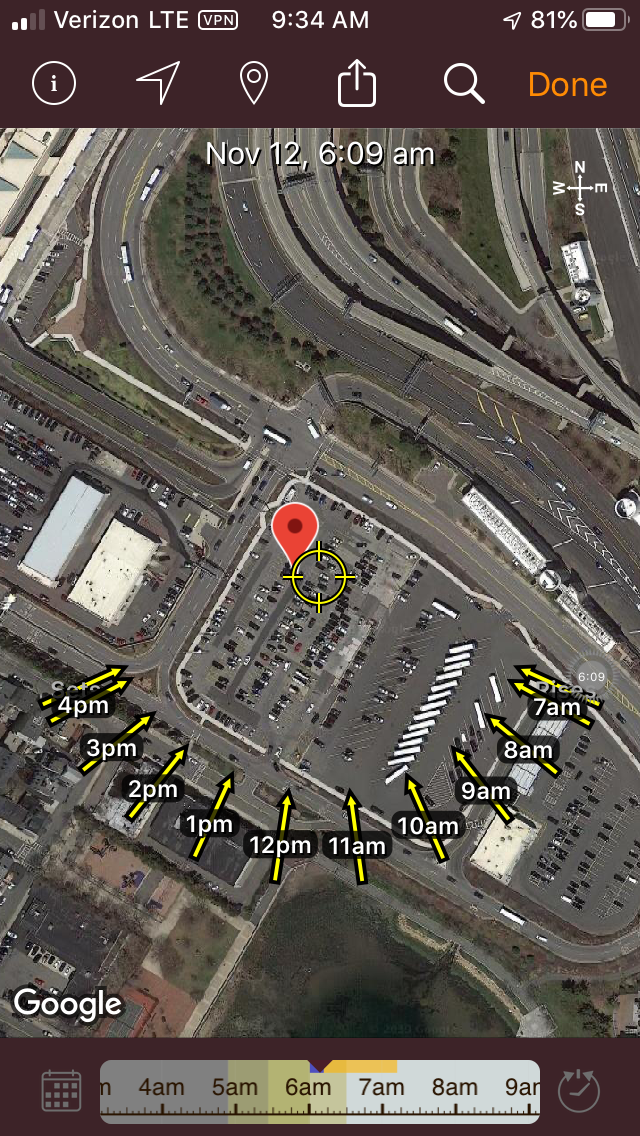
Sun Seeker’s timeline for the sun’s movement on 11/13/29.
I've used a few of each over the years, and I currently rely on DarkSky for my weather predictions and Sun Seeker for my sunrise/sunset timing.
My assistant and I were looking at a 6:15 am arrival time for sunrise. We knew we would likely stay through sunset, given the New England sky in November glows nicely up to 15 minutes after sunset. So, we were in for a long day.
For gear, I always bring:
Camera Body: Canon 5D Mark IV with remote and backup batteries
Lenses: Tilt-Shift Lenses: 17mm, 24mm, 50mm, & 90mm and a 24-70mm f2.8, plus 3-4 filters for various things
Laptop: 13" MacBook Pro with a USB tether cable to connect the camera to the computer, a charger, backup battery, and hood to cut down on screen glare.
Tripod: an 8ft carbon fiber Benro
Lights: Godox AD600Pro Monolights with Batteries and AC Adapters, Godox AD200 Pro II Strobes with extra batteries, and various gels for color correction
Accessories: air blower and lens cleaning wipes/cloths/spray, gaffers tape, light stands, boom arms, umbrellas, reflectors of various degrees, grids of multiple degrees, black cloths, white clothes, shoot through rolls of diffusion material, clamps of different sizes and purposes, sandbags, knife/leatherman, a bike tool with screwdrivers and allen wrenches, small ladder to reach my camera if we're 8 feet up on the tripod, rolling cart to move the gear and the computer around with us quickly, and coffee, water, coffee, water, mints, and more water.
Packing the Forester the night before and the morning of is a lifesize Tetris match.
On-Site
While my agreements state that a representative from my client's office must be on-site to facilitate access or approve shots, it's not always necessary. Once I've been working with a client for a while, it's easy to send low-res proofs by email throughout the day to keep them up-to-date on our progress. Building trust is a big part of forging long-lasting relationships with my clients. If my client cannot be on-site, I always request the contact information of the building management or someone at the site who can aid us should access issues arise or if we need to manipulate the lighting on the premises.
In this particular instance, there were to be many more exterior shots than interior shots, and the high temperature for the day was a frigid 19˚F, not including the wind chill at Logan Airport (which sits on a peninsula hanging out into the Boston Harbor). I'd never ask anyone to tag along in those conditions.
The first thing I do when I arrive on-site is to review my client's marked-up site plan and orient myself to the physical site and conditions around it. I like to identify any obstacles or elements that need to be moved for particular angles, or consider the background and adjacent sites and make a mental list of distracting elements.
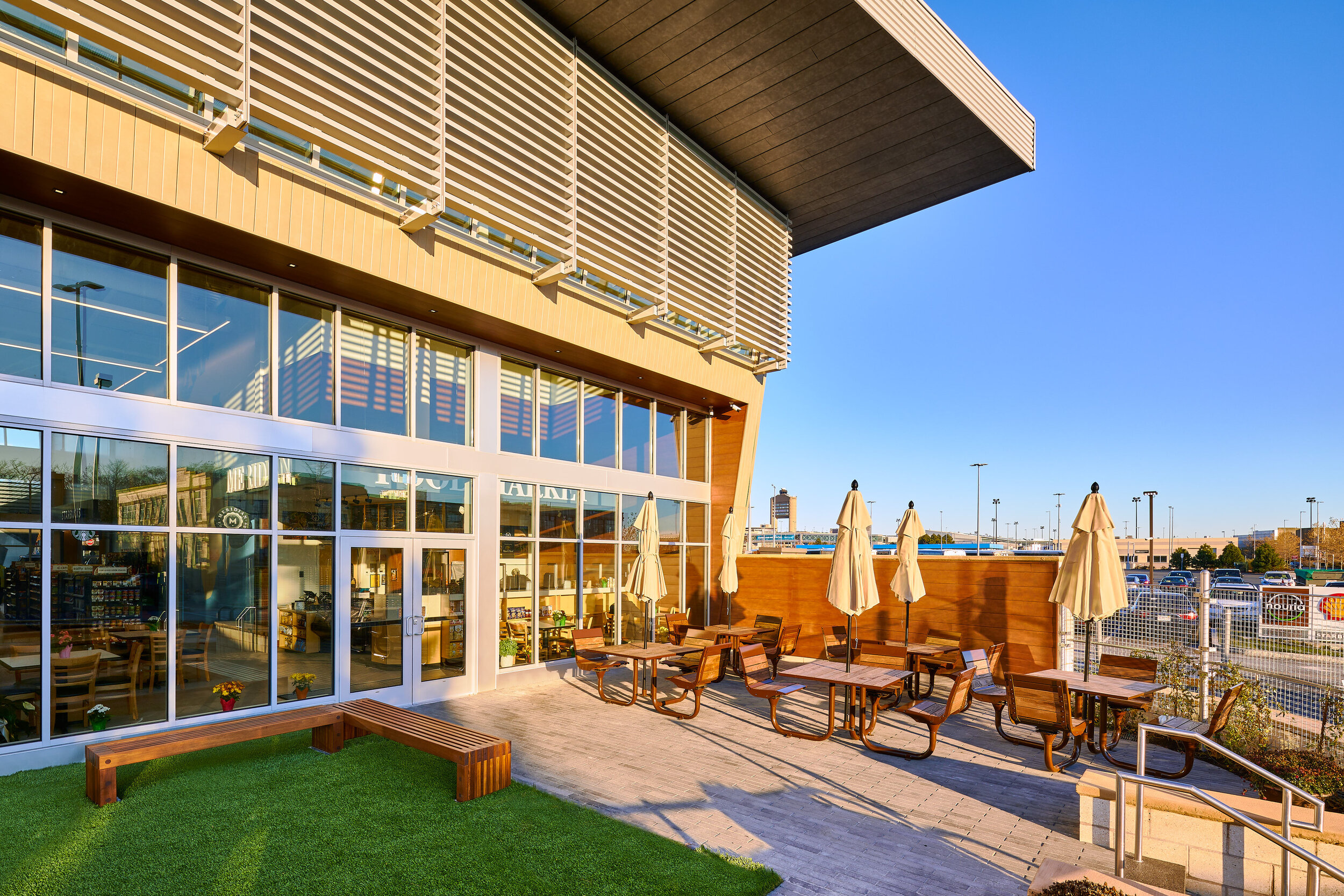
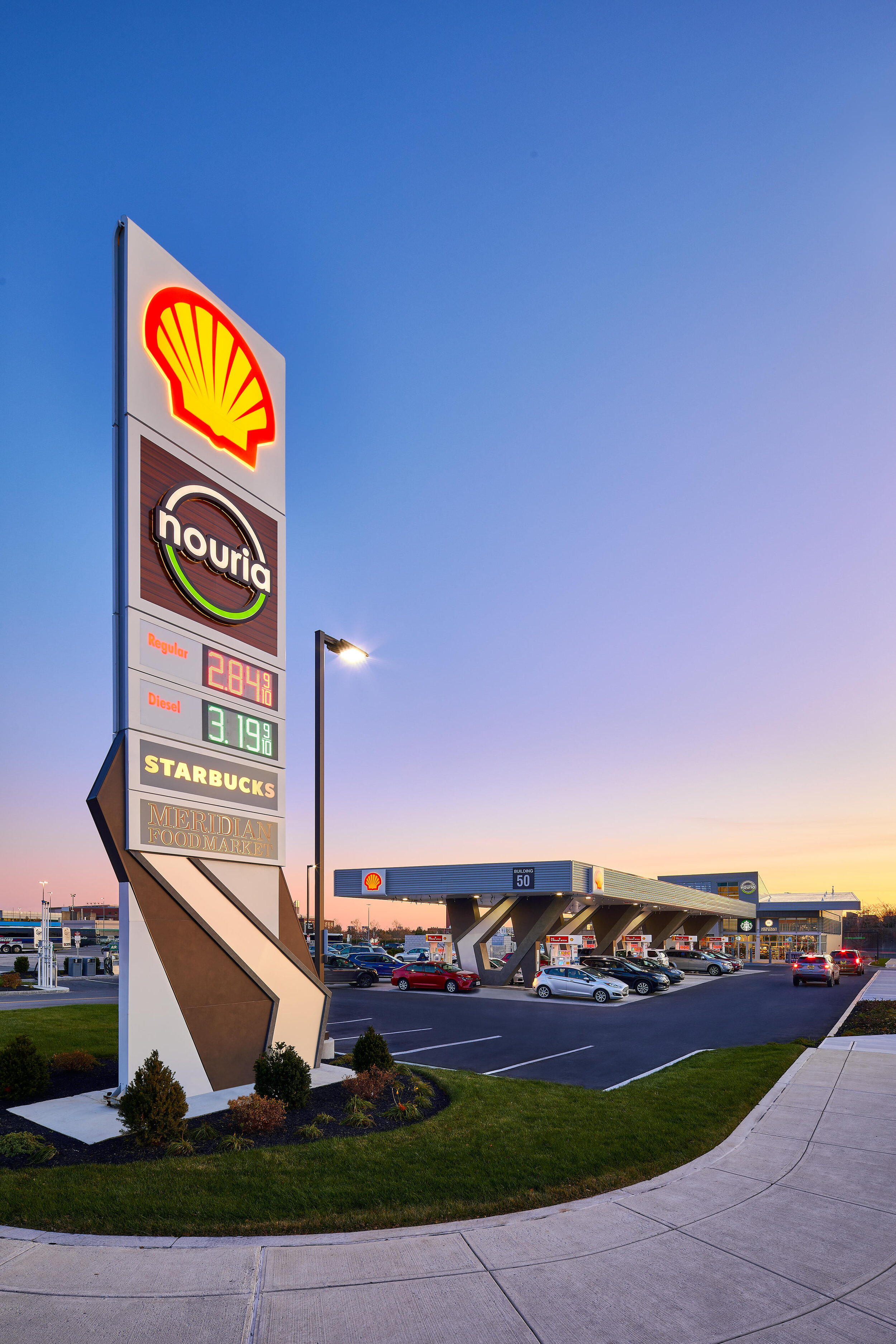
Nouria Energy exists on the site of an old parking lot, and the streets around it were in excellent condition. The only elements that caught my eye were the bus depot next door, the airport communications tower, and I noticed just how busy the now-active fueling station was to the public.
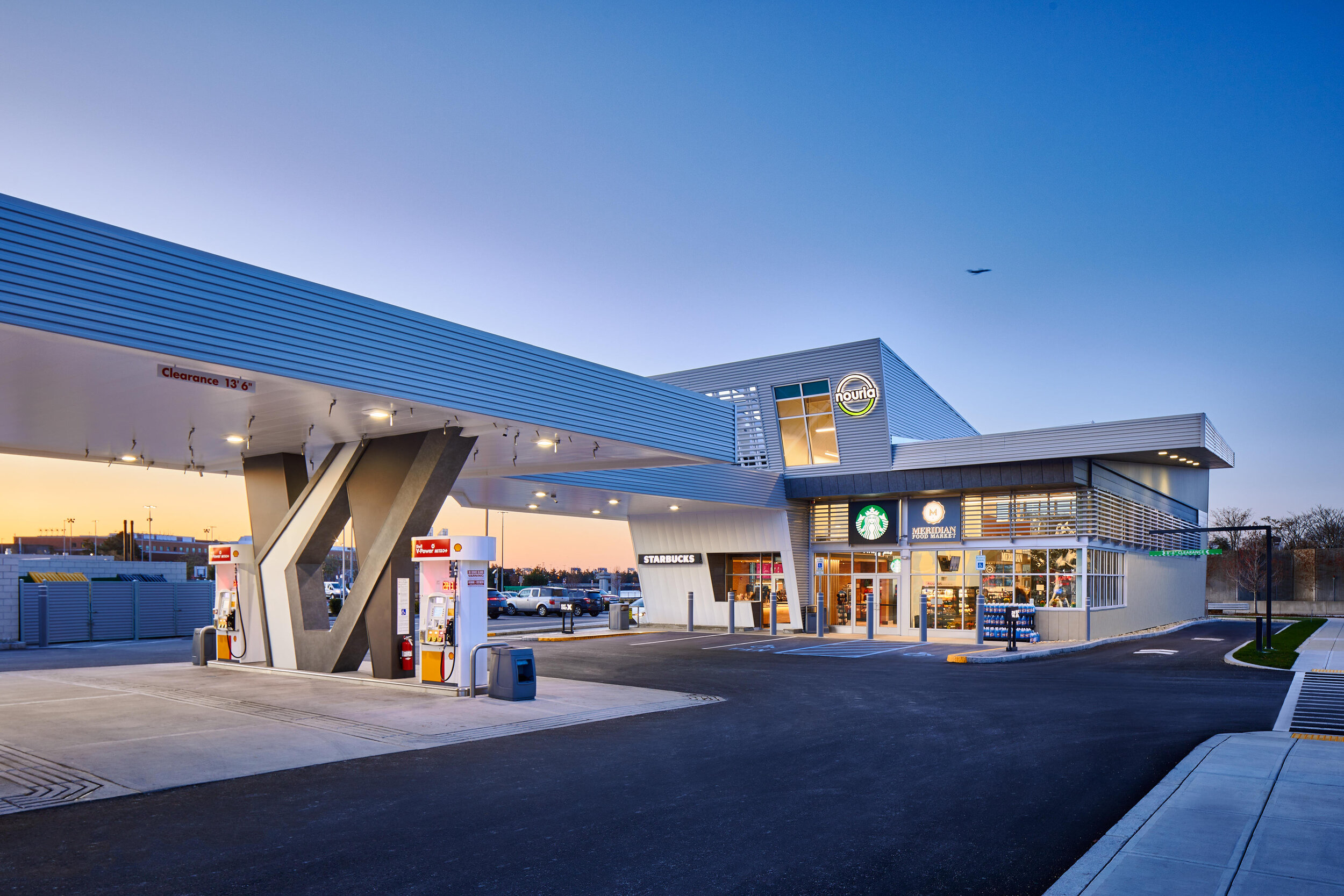
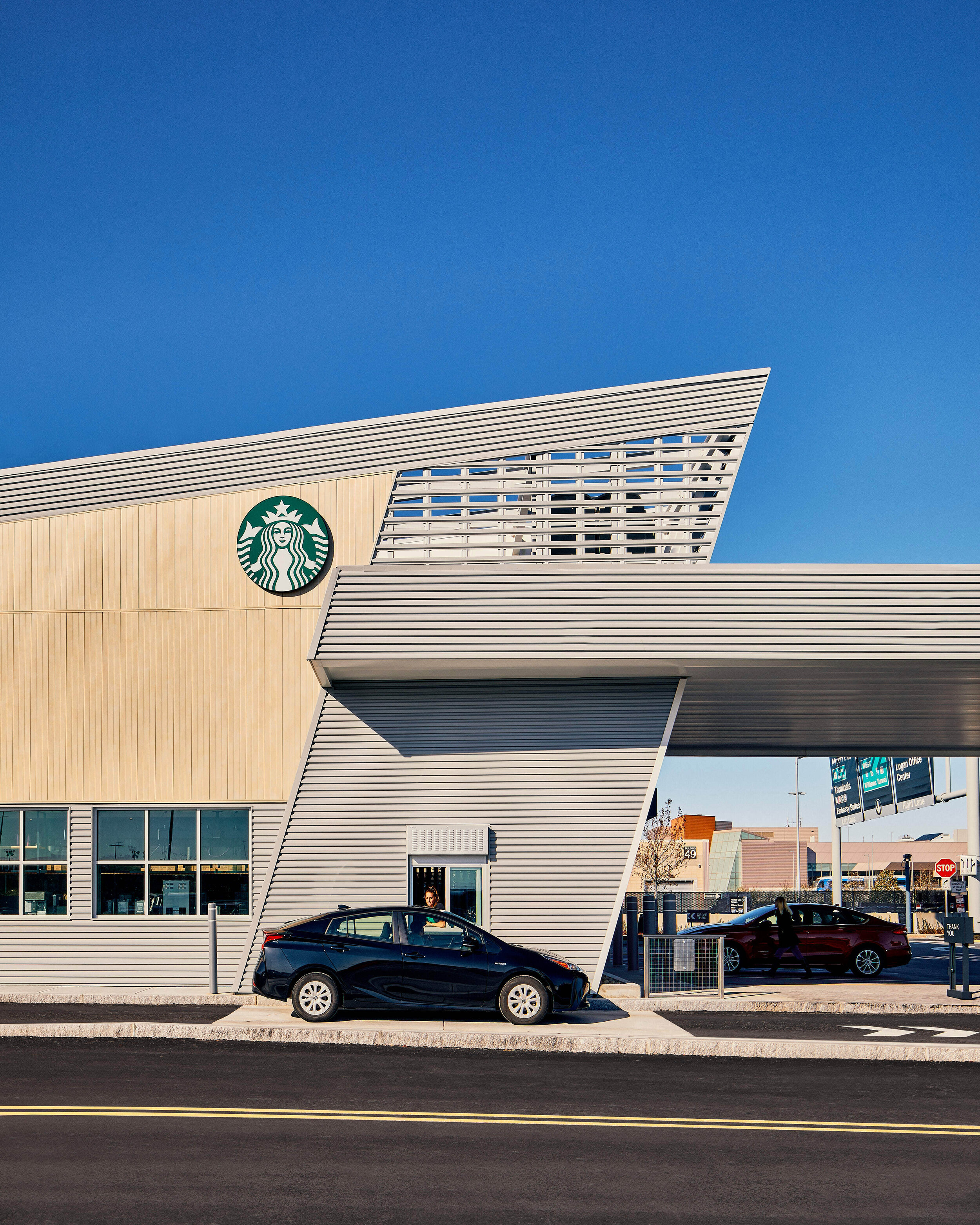
That's right, this site was fully operational, and we had to time our shots not only around the schedule of the sun but the rush of the coffee- and lunch-crowds. The convenience center at this site has a Starbucks with a drive-through and lobby, a full service and well-stocked convenience store, and a Meridian Food Market takeout restaurant, famous in East Boston for its hearth-fired Italian food.
Nouria Energy © Joseph Ferraro
Off to the Races
Being flexible during a shoot can ease the stresses of trying to force a shot to happen. I find that whenever our backs are figuratively against a wall, it's better to step aside and evaluate whether there may be another approach. This shoot was a good test in conducting a thorough walkthrough with my assistant, but being willing to shift our timeline for individual shots if things weren't going to plan.
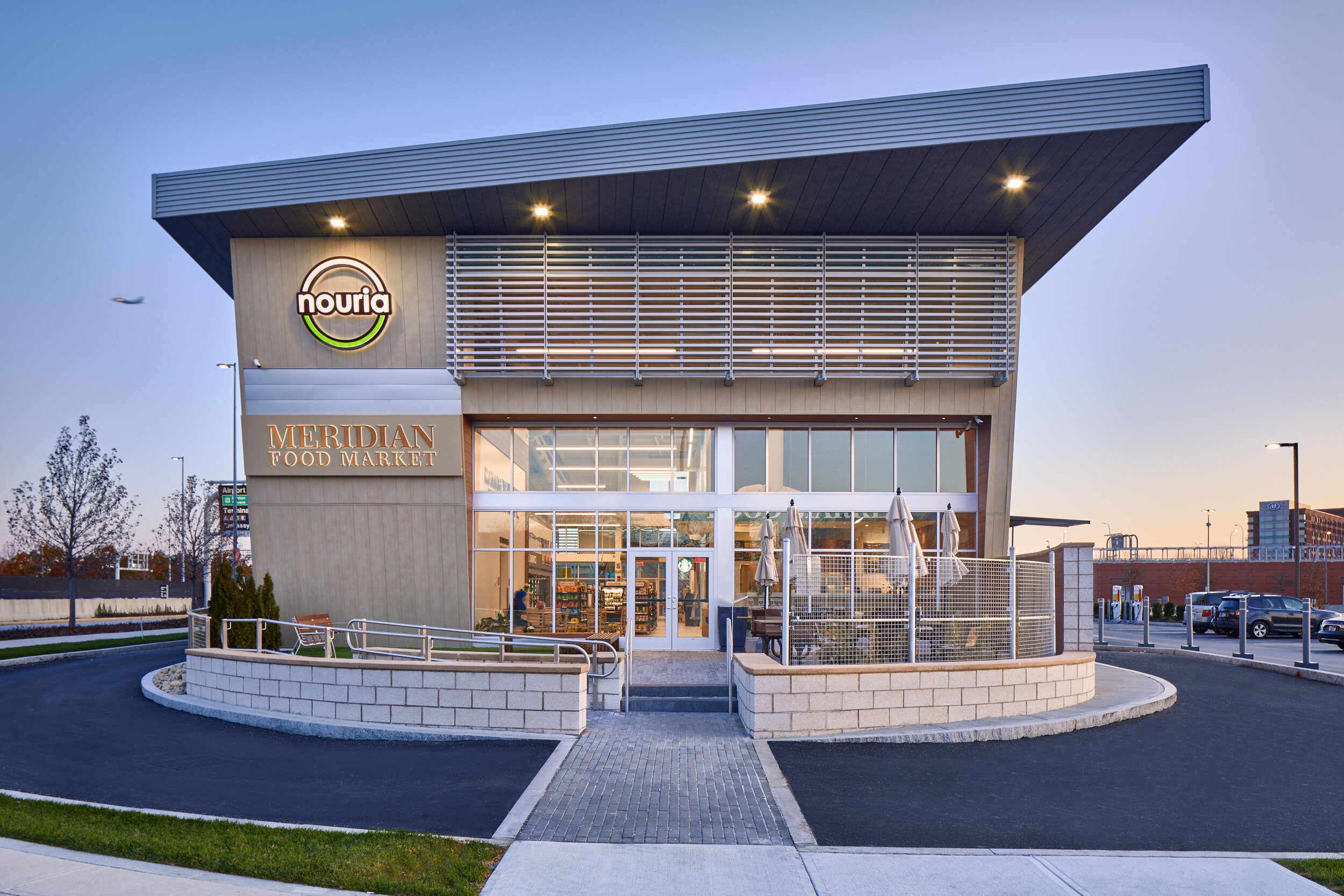
Typically, I like to start with an establishing shot, especially if the light is beautiful at the site when we start. On this morning, the sky was clear, and we could already see that the runway at Logan was sending up flights at an excellent frequency. This would allow us to get a plane in the sky for a few shots.
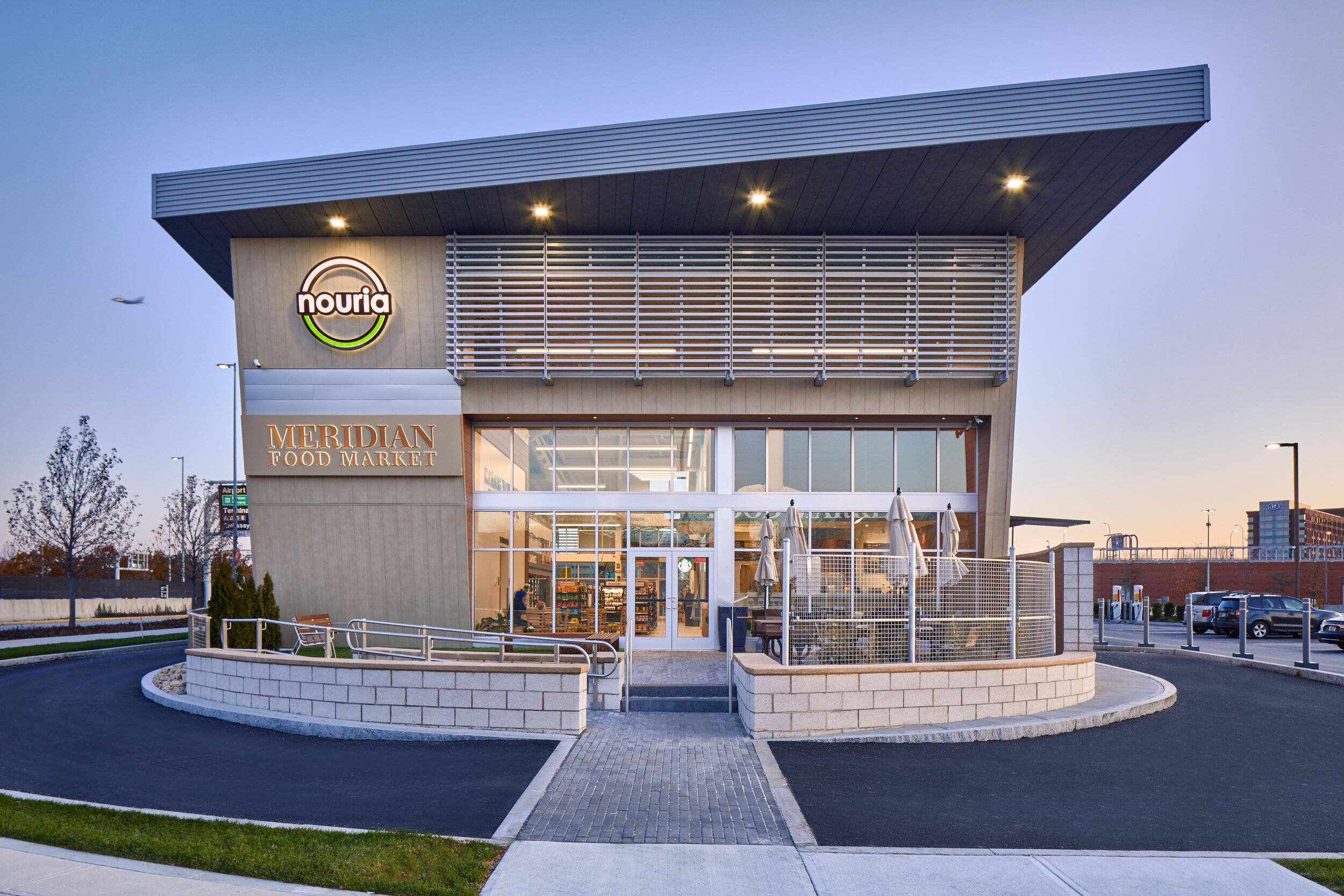
Nouria Energy © Joseph Ferraro
As the day went on, this shoot became set to the tempo of the public. I don't like prohibiting people's movements, and I'd rather just wait for them to move at their own pace and time my shots the way. But, when we do need to intervene, my assistant or I will approach someone and gently call their attention to the camera and explain what we're doing. Nine times out of ten, the person is kind enough to move for us or even be positioned by us into the shot where we could use a person to be waiting in line for coffee or walking through a doorway.
The process of photographing each composition can either feel like a rush against time or like a waiting game. I haven't determined which pace I prefer, but having enough time to compose and get everything set on location is much more efficient than spending time editing at the computer later. During this shoot, there was some waiting around for people to walk into a shot to give the project scale and purpose, and waiting for cars to fill up their tanks and leave for specific compositions to work.
Cutting Room Floor
Just like the movies, some shots don't make it to the final edit. Sometimes a shot may feel like a good idea at the moment, but once I'm back at my desk, it can be easy to identify what works and what doesn't. On average, one or two shots aren't worth sharing with the outside world. But, once my final selections are determined, I assemble a simple proof gallery for my clients to view what we created. Out of the pool of images I share with them, they'll reply with their choices, and the final edit begins.
From returning from the shoot to getting my client's proofs prepared can take two to three business days, depending on how busy I am that week. But, I try not to keep my client waiting for more than a week for proofs. Then, once they reply with their choices, I'll take about 4-5 days in getting finals turned around to them - but again, no longer than a week.
Turnarounds are efficient because we take the time to photograph a composition with the goal in mind that I can get my proofs to their final state with minimal editing.
Billing
Once my client's final selections are edited and sent off, I file their final invoice with them, through Square, and offer them the choice to pay the remaining balance by check or with Square's online payment portal. In this business, being paid at a regular frequency can be hard to arrange. But, I try to make the sale as simple as possible to help that along.
But wait, there's more!
Other parties that weren't interested in buying in on the shoot before production started, now see the images and start reaching out. On this particular shoot, I heard from three additional interested parties and ended up selling them licenses to the complete shoot, after the fact. Some people call that gravy.
Its additional sales that make copyright protections and allowing the content creator the freedom to license their work essential to this business. If I gave my clients the images and let them share them with other companies to use, I'd have missed out on all of that additional revenue. So, to those just starting their businesses, if you have any questions about copyright and licensing, please reach out to a veteran in this business and get their honest take on it.
That's all for this one, I hope you've enjoyed the photography, and if you have any questions about what you see here or anything business-related, please don't hesitate to reach out.
Thanks for reading.
- Joe
Licensing & Copyright: Part Two
In my last installment, Part Two of my Licensing & Copyright insights, I’ll explain what Copyright means to me in more than general terms.

In my first installment about Licensing, I wrote about how I price my services and license my work. Though this next article is shorter in length, I will go into a bit of detail that supports the practice of licensing my work and the foundation behind being a career independent photographer.
So, we all have a general sense of what copyright is. The topic is frequently in the news, and anyone who is an independent photographer is well aware of how important copyright protections are.
In short, if I make the photograph, I own the photograph.
In this last installment, Part Two of my Licensing & Copyright insights, I’ll explain what Copyright means to me in more than general terms.
Copyright 101
There are instances when, if I create a photograph, it’s possible I do not own the work. Here are a couple of examples:
If my clients would like exclusive ownership of my photography to use, distribute, and sell as their own, then we can discuss a transfer of copyright (know this is a very costly transaction). This involves a legal document that specifies what works are being transferred and after fees are paid and signatures collected, the transfer is made a matter of record with the Library of Congress so there is no confusion later as to who owns the work. Personally, I’ve never done this and I strongly discourage going this route as it could lead to legal implications and amendments to the copyright law that will negatively affect everyone in this business, indefinitely.

American Well for Workflow Interiors © Joseph Ferraro
A client may also offer a work-for-hire contract that buys me out of my copyright before production even begins. It’s my practice, that a work-for-hire deal may not be proposed after the production has started, and it most certainly costs much more to hire me under these circumstances, too.
The American Society of Media Photographers (ASMP) is a national organization and advocacy group for professional photographers, frequently involved in influencing legislation at both the federal and local levels in support of photographers and their copyright protections. They have chapters throughout the US and I highly recommend the membership if you’re thinking about going out on your own or are new to this business.
I first joined ASMP as a student in 2006 and was a member for many years. Here’s a note from them about copyright:
“The business of professional photography is broken into three main categories of use. Commercial refers to photography that is used to sell or promote a product, service, or idea. Editorial refers to photography used for educational or journalistic purposes. Retail refers to photography commissioned or purchased for personal use.
The difference between these categories is not in the type of photography but in the use of the images. Commercial, editorial, or retail, photographs are intellectual property. Unless the photographer is an employee or they have contractually transferred ownership, the photographer becomes the owner of this property when they create an image. Licensing this property for specific uses is how a photographer’s business generates gross income.” — ASMP (for more info: https://www.asmp.org/copyright-tutorial/)
Copyright gives the photographer the sole right to decide who can use the work that has been created. US Copyright Law, Title 17 of 1976.
You create it — you own it. Copyright comes into existence automatically when the original image is captured.
Any person or business must have permission (a license) to publish (reproduce) images in any medium, physical or electronic.
The photographer does not have to register the work with the US Copyright Office to acquire copyright.
The photographer’s name and/or the copyright symbol does not have to appear on or next to the image to have copyright protection.

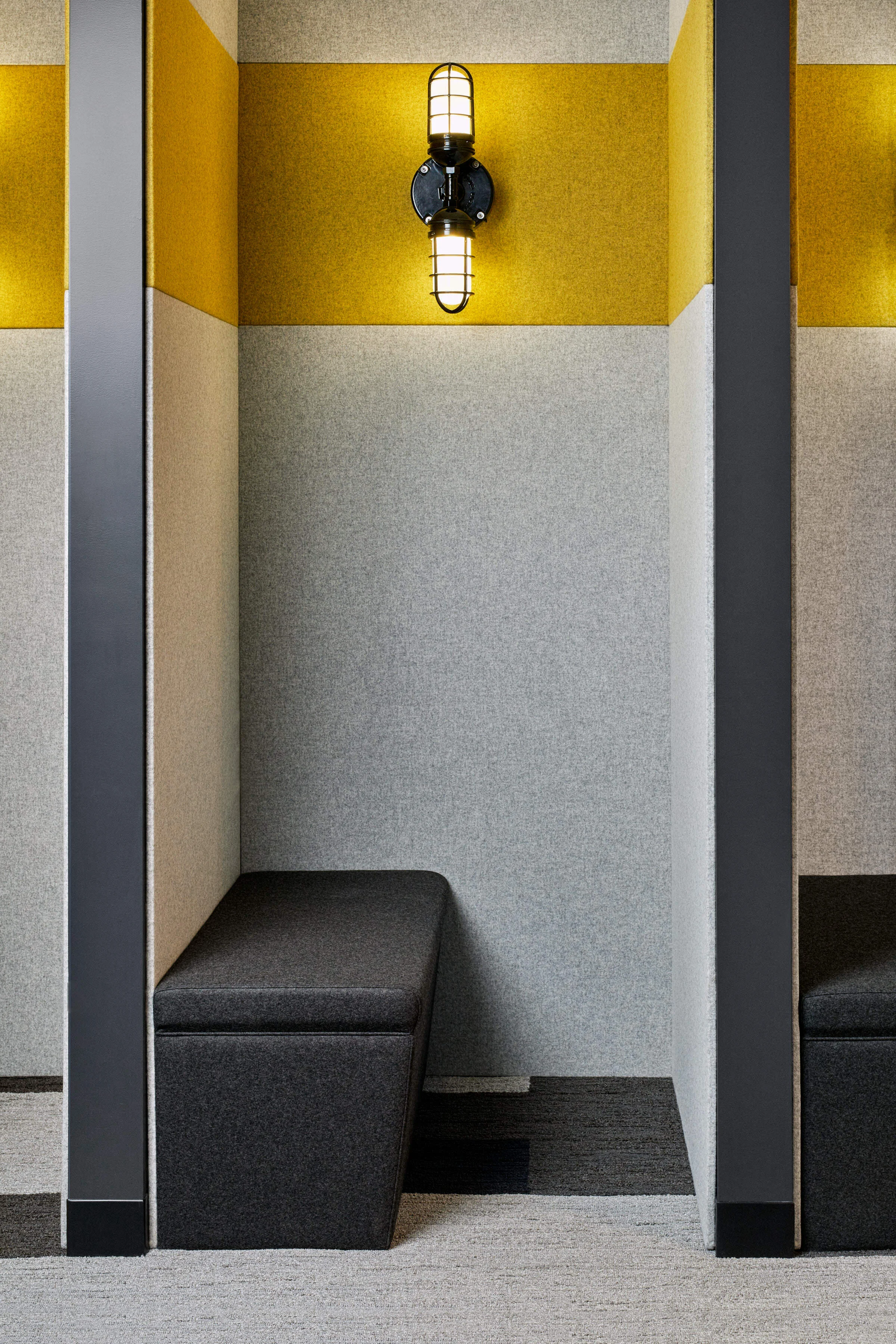
Furniture Detail for Wolf In Sheep Design © Joseph Ferraro
As I’ve written above, ownership of my work is an integral part of my business. The ability to create revenue streams through licensing my copyright protected work is what allows independent creatives like me to make a living doing what I love.
Since I’ve gone into greater detail in my previous articles that included my practice of copyright protection and licensing, I’ll leave it here, and I look forward to writing more about my actual photography in the future.
For more info, please don’t hesitate to reach out and engage me in a discussion on the topics you’ve read about here.
I hope everyone is safe and healthy during these times. — Joe

Best Practices: Exterior Photography
This article describes the importance of exterior photography and provides tips to architects, builders, and developers in making their own progress photos.
Originally written for the design-build community on BLDUP.com, April 2020.

AIC Health Sciences Building by Phase Zero Design © Joseph Ferraro
Early on, we see how important the communication of a new project's design intentions are, through publicizing plans, drawings, and renderings. Choosing angles, being decisive with the surrounding elements, and featuring the design in the best light, are all intentions that architects, designers, developers, renderers, and builders shouldn't take lightly. We expect each project to be a marketable and tangible piece of design. By telling a good story about what could be, sites can pull permits, investors write checks, and communities sign-on to new ideas about what their surrounding world will become. But, effective visual communication should not stop at the design phase.
It's important to remember that the product you're selling is not only the physical site or the end project but also the technical and practical solutions that were implemented by everyone involved in the project. When considering how to communicate the progress of a project or the completed build, photography is the most reliable way to present your hard work to future clients and future tenants. It's become more convenient these days to grab a few progress shots of a project with our smartphone, and we see many finished projects done the same way. And, while the technology that powers our pocket-sized cameras is improving year-after-year, the ability to press the shutter button at just the right time and from just the right vantage point has not changed. That said, there are plenty of tools, apps, and tips that will guide you to produce images of your work and communicate how proud you are of your projects, no matter the equipment at your disposal.
If, by the end of this article, you would like to ask me any questions, please consider visiting my website (www.josephferraro.com) and give me a call.
Describe the Setting
When we decide to photograph the exterior of a project, the human instinct to tell a story kicks in. Just like any good story, the location is just as important as how the project looks. A project's setting is unique, and where a building stands tells a lot about the intentions behind the design.

Exchange Place, Congress Street, Boston, MA for Boston Urban Partners © Joseph Ferraro
1) When composing your overall shot, it is essential to include common, recognizable elements and surroundings to communicate the scale and purpose of the site.
2) The inclusion or exclusion of active people should also be a decision worth considering, as there is possibly no more significant attraction to a viewer than the presence of life in a photograph.
Viewers use other people in images as surrogates in interacting with the image more inclusively.
Though many photographers will tell you to avoid the middle of the day when the sun is at its highest, only the building will reveal how to present itself best. The light that falls from the sky will contour a structure differently at different times of the day and in different weather. But, as a general rule:
3) Avoid long shadows that distract from the design and steering clear of a flat, overcast day, is an excellent place to start.
The hours before and after sunrise and the hours before and after sunset are called "magic hour," "blue hour," and "golden hour" (or butter-hour), for a good reason. Outdoor environments and buildings do tend to present themselves best in these dreamlike, naturally cinematic lighting conditions. What is more important is that the light available to you not be ignored and at least highly considered when and from where you take your photographs.

Nouria Energy, Logan Airport for Phase Zero Design © Joseph Ferraro
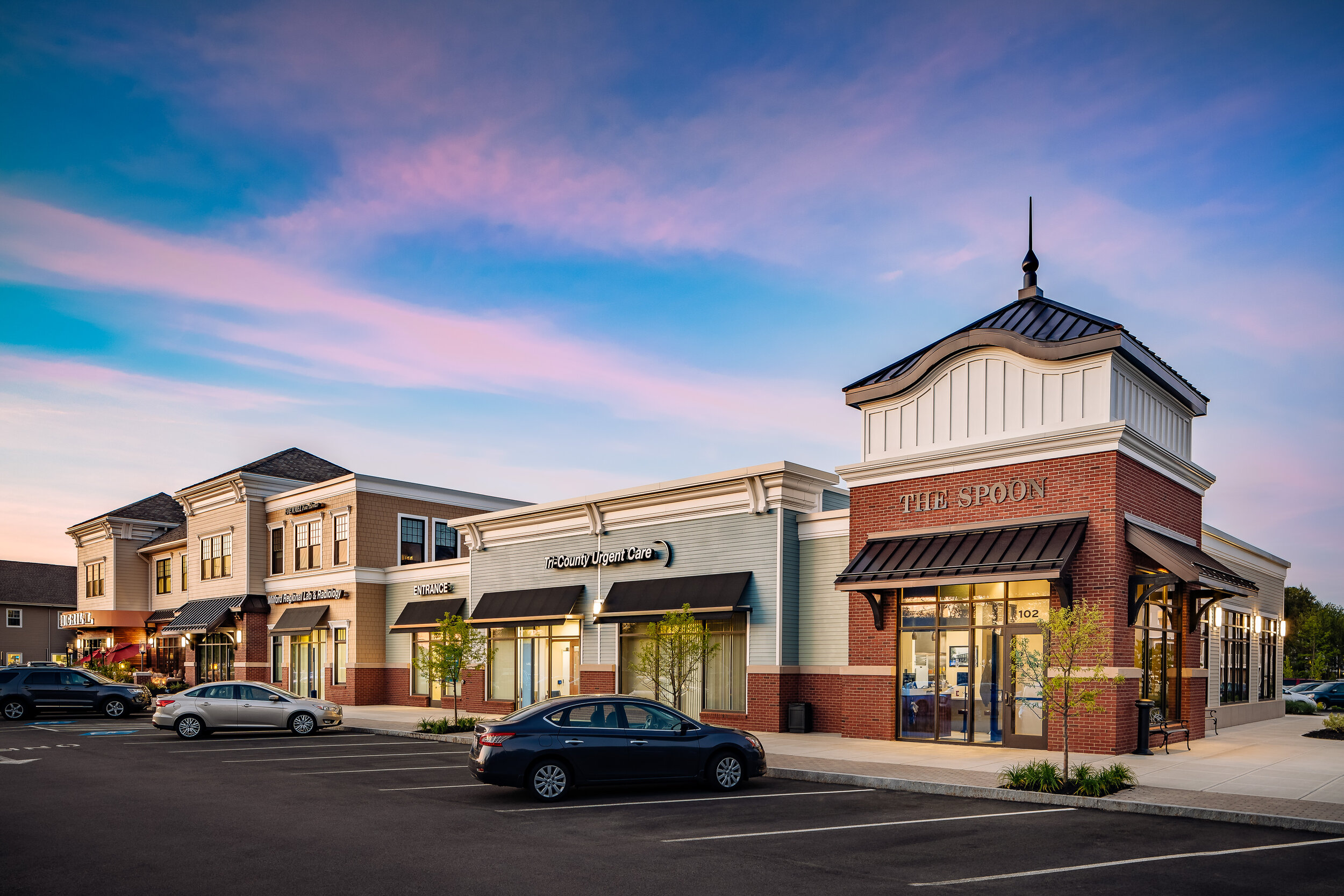
West Main Marketplace, Hopkinton, MA for Applied Form & Space Architects © Joseph Ferraro
From Another’s Perspective
Being intimately involved with a project can be a bit blinding to how someone else who has never experienced it before will react, interact, and turn their experience into a story for others.
1) Try experimenting with viewpoints and consider the point of view of someone approaching from a direction that isn't explicitly implied.

Community Pavilion at the Peabody Essex Museum, Salem, MA for designLab © Joseph Ferraro
2) A unique perspective is useful in describing the setting of the building and often leads to exciting detail shots or vignettes.

Museum of African American History on Nantucket, MA for the National Trust of Historic Preservation © Joseph Ferraro
On the subject of viewpoints, here's another thing to keep in mind:
3) No matter how sophisticated the equipment you are using, keeping the camera level will create a more natural viewing experience.
The camera lens only delivers the information, just as our eyes do. But, our eyes are far more advanced than any technology on the market. Our brain can fill in information from our periphery and provides context, and lines along virtually any perspective never converge. But, a camera records a two-dimensional image, bound by the coverage of the lens. So, anything outside of your image won’t help viewers understand what you’re trying to say.
Now, I do come from a background of photography routed in being technically correct with my camera, and historically the vast majority of architectural photography is done in perfect perspective. It all comes down to your intention and ability, whether that ability is personally limited or technically limited. I believe we expect a looser approach to progress photos as compared to finished photography. But, a level camera will get you one step closer to a more enjoyable photographic experience.
Previsualization and the Edit
Now that you've chosen a few excellent angles and perspectives, and determined the best time of day and what supporting elements or surroundings to include, that final image will more than likely need a little touching up to make it look its best. That isn't to say that some photos don't look great straight out of a camera - it is possible to get those settings right in camera or for automatic adjustments made by most point and shoots to balance the scene correctly. But, understanding what your finished photo will say about your project is critical to consider before sending off that updated post.
Here are some examples of what to look out for when you begin photographing, to prepare you for the finished image.
1) Take care to prevent overblown skies with no detail in the clouds or no visible color in your highlights.
2) Address dark areas that render almost black and with no detail in your shadows.
There are technical limitations to most cameras, all cameras really, depending on what your goals are. What's important to remember is that it is generally harder to recover blown-out highlights than it is to improve information in your shadows. So, err on the side of protecting your highlights and bring back your shadows in post, whenever possible.
3) Be aware of a slightly magenta or green white balance that tints the whole image. A cool or warm image is acceptable if it fits your aesthetic.
4) And, if you want to correct the perspective and fix any keystoning in your image in editing, keep your camera level.
Before taking a shot, at the very least, consider these pieces of information before sharing your work with the public. Of course, if the image looks "good enough" and you're complacent with your results due to the extent of your abilities, then no one's going to criticize your efforts. But, if you've read this far, I'm guessing you want to do better.
Spending some time learning photo editing software will allow you to figure out how best to use your camera - and that goes for software on your computer and photo editing apps on your phone. Most of the time, the solution is not to spend more money on a new camera or that sweet, new three-lens smartphone. Understanding your tools and how they perform will yield the best results and, more often than not, will produce images a new camera would have no easier time creating.

Chase Bank, Downtown Crossing for Boston Urban Partners © Joseph Ferraro
Gear Up
If you are searching for that shiny new piece of equipment, remember the answer to your problems will not lie in spending as much money as you can. There are great cameras - there's one in your pocket already - in every price range. Seriously, I saw a point and shoot with a 200x zoom that is capable of great colors and produces sharp images for under $400. At the other end of the scale, you can break the bank on a new $50,000 Phase One system and still need to go shopping for lenses to go with it. Just remember, both of these and anything in between will make images that fit on a website and will print up nicely in a magazine, and at the least common denominator, make good looking prints for your office hallway.
In my opinion,
1) Use the equipment you already have at your disposal, and if you learn to produce images you're proud of, then consider that a success.
2) Buy a new camera only if that new camera will advance your skills and provide features missing from your current equipment that will make things easier for your workflow.
Investing in camera gear should never be taken lightly, and although a camera could easily last you ten years, you'll probably be shopping much sooner for a new one, that's a reality. Manufacturers know what we want before we do. Just remember that if you purchase a camera with interchangeable lenses, those lenses will more than likely outlast every camera you own in your life if they're cared for properly.
3) If you're in the market for a new camera or you're not interested in buying something right now, but you want to see what is possible, renting a camera is a straightforward process and more accessible than ever.
Rentals can come with insurance coverage and ship to you in hard, protective cases. Most rentals begin with a three-day minimum. Though, rentals can be in your possession for up to a month or longer, depending on their availability.
I encourage everyone to support our local rental houses, Lens Pro to Go (Concord, MA) and Boston Photo Rental (Somerville, MA).
On The Horizon
Storytelling is an instinctual and necessary part of human existence. It is what communicates and perpetuates our principles and provides a backdrop for the machine that runs our economy. People expect the construction of new buildings and they are interested in telling others about them. Since it's your business to design, build, and lease or sell those buildings and the spaces within them, the story must start with you. So long as you're interested in people identifying your work with you, it's important to remember to consider your audience and be patient with your methods of communication. And, if it's just too much to take on, know that photographers just like me are here for you and are willing to be partners in communicating your designs to the public and your next client.
With many years of experience, making clean, commercial imagery is my top priority. Being a sustainable member of this great design-build community here in Boston is my next priority, and that begins with sharing my knowledge and making the last step in your design process an enjoyable and fun experience. Please feel free to reach out with any questions or comments at hello@josephferraro.com or 617-335-8925.
7 Steps of Inspiration
The beginning of 2020 started off with a bang. I spent the first half of January planning photoshoots and rolled into February with eight completed before Valentine's Day. And then… red light.

Blue Bottle, Newbury Street, Boston © Joseph Ferraro
The beginning of 2020 started with a bang. I spent the first half of January planning photoshoots and rolled into February with eight completed before Valentine’s Day. And then…
Red light.
Freelancers, independent contractors, and many small, small businesses know how important it is to prepare for an uncertain future. We all stress the importance of squirreling away a rainy-day fund and anticipating downtime between gigs.
Historically, downtime meant reaching out to clients, organizing my bookkeeping, archiving recent photoshoots, having coffee with colleagues, and researching architectural and product photography inspiration. Even amid the COVID-19 pandemic, many of us are still finding ways to virtually have coffee with each other. Nonetheless, I’m anticipating a slow down that could have lasting effects through the second half of 2020.
But, there is always work to be done. I thought I would share just how I’m weathering the storm and preparing to remain in business for my clients and the future of my work.
Step One • Getting all Marie Kondo up in this busnassss:
Tidying up and purging unnecessary things in our home has been all the rage in the Ferraro household for several years. It all started when my wife and I were preparing for the arrival of our daughter back in 2015. As I’ve become more confident as a photographer, I’ve been applying this same space-saving and mind-decluttering techniques to my business. Here are a few examples.
A) Keeping a clean desk and workspace. B) Filing paperwork and keeping physical copies of what I need and scanning and shredding the rest, keeping things in digital formats wherever possible. C) Streamlining my workflow by only using essential supplies and tools. D) Purging unnecessary gear from my kit and refraining from buying more equipment until something is obsolete, is beyond repair, or purchasing a new tool that will only provide a function that simplifies my workflow.
Step Two • Being a Strict Accountant:
Early on in the business, I had a lot of G.A.S. — nearly all photographers suffer from it. The manufacturers of photography gear and gizmos know our collective weakness and play to our insecurities in this business by making us think we need a new shiny piece of gear to get work… and we FALL for it! Talk about amateur hour. I thought having the equipment with the right name brand and all the accessories to go with it would make me who I am today, (Head-slap!). Photographers easily overlook their expenditures as being just another write-off or justify a purchase as a need over just another want. Photographers love their toys, and many literally subscribe to the idea that clients care about the brand of their gear they use and if we’re up on the latest version of a camera body. I’ve recently denounced this way of thinking because it is nonsense.
This past year, as a part of my tidying up process, I’ve prepared a streamlined budget spreadsheet and tracked spending month by month.
I’ve looked very strictly at my gear closet and assessed the quality, quantity, effectiveness of my gear — and, I’ve either gotten rid of things that no longer serve a function for me, or have stuck with things that could be replaced by something newer and shinier but wouldn’t do the work any differently or to any significant advantage. I am happy to say that this year, I have been operating on what looks like a shoestring budget. Still, in reality, I’ve only cut back in places that allow things to feel normal in my day-to-day but also remain lean enough to skate through downtimes without reaching for that big red button.
Breaking out necessary expenses helped me realize that even equipment and office supplies can take a backseat to what really matters in keeping things operational. (I’d be happy to share a copy of my worksheet with you if you’d like a blank one to start with).
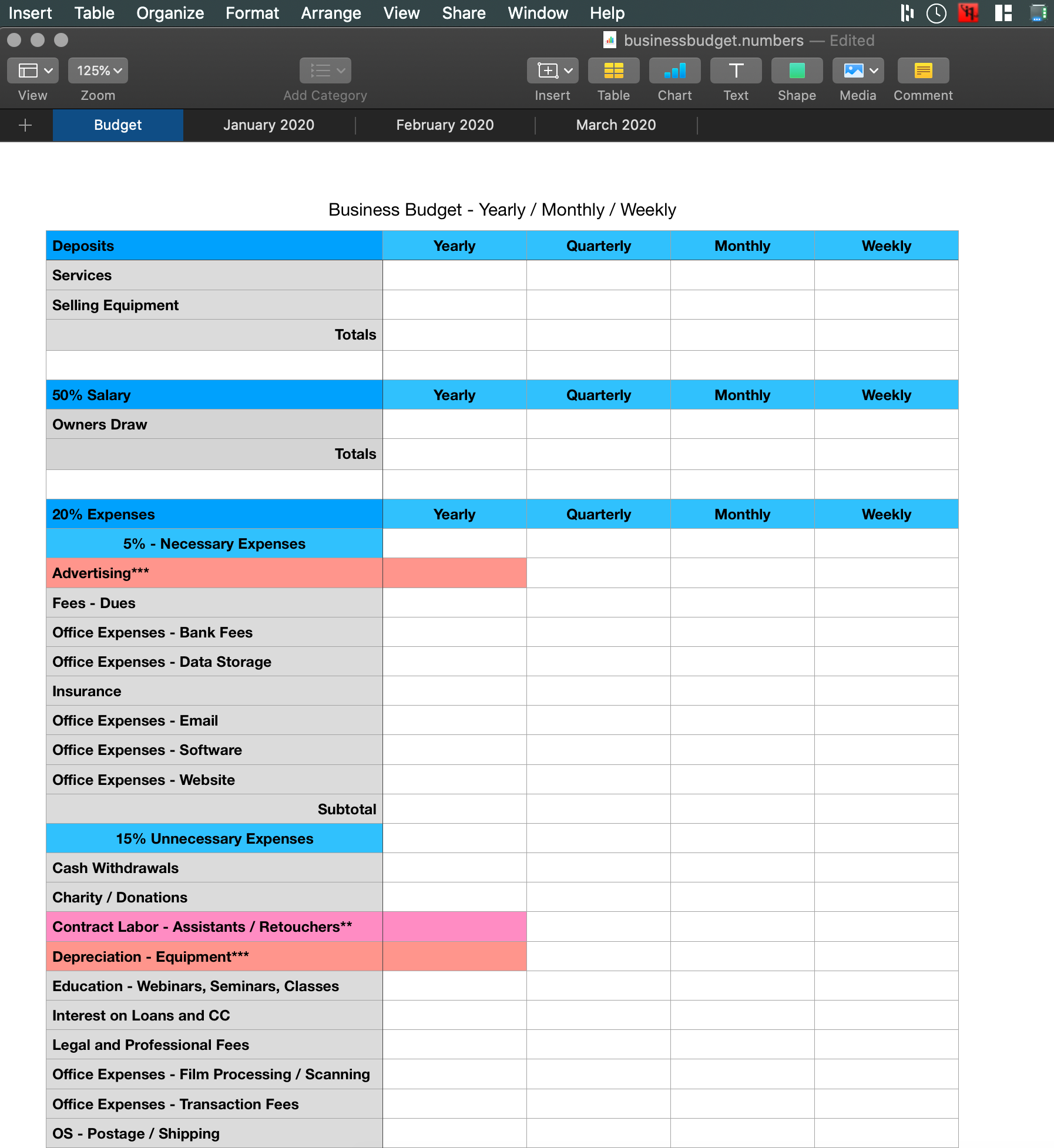
Sample of Joseph Ferraro’s 2020 Budget Sheet
Step Three • Interact and Engage, more:
Many people not-so-secretly loathe social media. I hear it ALL the time from pretty much everyone I know, even from those whose job it is to promote their company’s business where they work. Still, we all know how valuable engagement is, and that timely update about new work or some behind the scenes action is a crowd-pleaser. And, maybe that’s true. I do love people and could hang out for hours finding new things to talk about. And, I’ll admit, I get sucked into flipping through people’s stories because I DO want to know how everyone is doing and what cool things you’re up to. Still, I just can’t get myself to like the idea of curating content to digitally brand myself as what I already consider myself to be: a fun-loving dad and husband, who loves all things bread and food, who’s also a lovable, friendly photographer.
Be that as it may, as a business owner, I know that these tools are here for me to help promote my business and stay fresh in the minds of my clients and future clients. So, I’ll be making a more concerted effort to join the community in this 21st Century sort of way.


Step Four • Educate and Expand My Mind:
I’ve been intrigued by edX — the free, online college with courses from Harvard and MIT (and now more) since it began over a decade ago. I’ve completed a course in contract law and have always wanted the time to enroll in more.
So, I did!
Just the other day, I enrolled in a course in an Intellectual Property Law course, and a Social Media Marketing course. I have no need for another degree beyond my bachelor’s, for now. If I plan on teaching someday, then I’ll explore a master’s program, but for now, I’ll happily enroll in some online classes and learn some valuable things to support my business.

Also, how popular have podcasts become again? Amirite??
Step Five • Finding Inspiration and Creating New Images:

Museum of Fine Arts, Contemporary Arts Wing © Joseph Ferraro
My bookshelf is full of great inspiration. Architectural photography books of works by Julius Shulman, Ezra Stoller, and Marcel Gautherot are anthologies I can dive into for hours. I’ve even begun looking more closely at the scene painters of the seventeenth and eighteenth centuries — like Canaletto and Capriccio. And, if you haven’t been introduced to the renderings of Hatch Studio or MIR, please be prepared to clean your brains off of your desk.
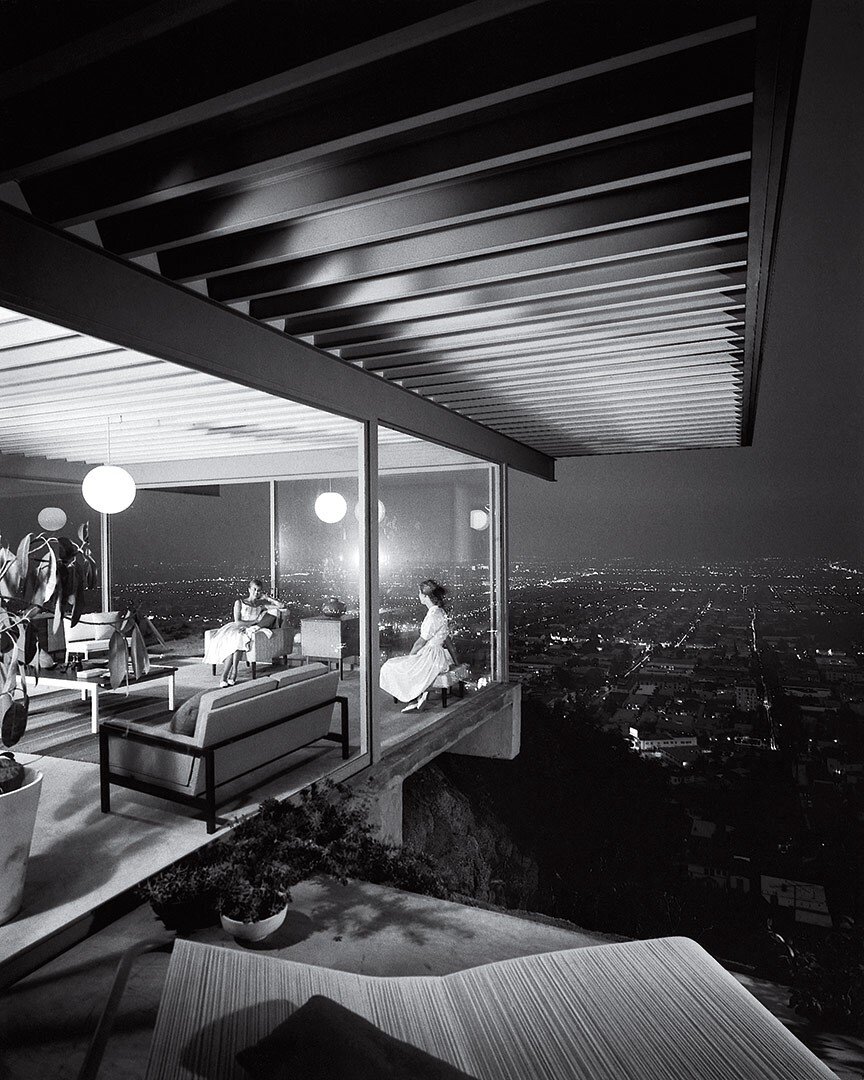
Case Study House 22, Los Angeles, CA © Julius Shulman
Also, a subscription to one of the most beautiful magazines, Cereal, has been landing on my doorstep lately. If there’s ever been a time to experiment with lighting and designing an aesthetic that could uniquely be my own, it’s now. If we’re fortunate enough to use this time to expand our abilities, this could be the most valuable place we put our time.
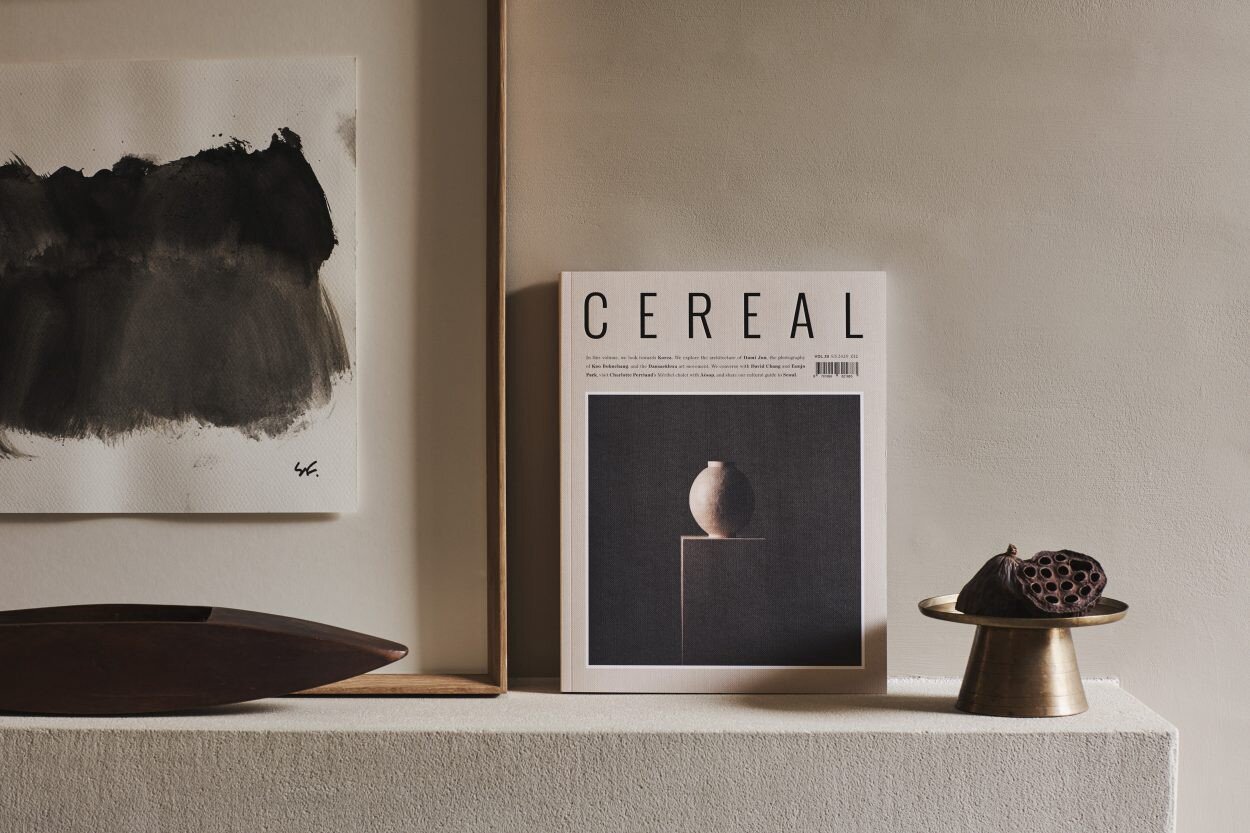
Cereal Magazine https://www.readcereal.com/
Step Six • Self-Care:
Eating well, letting my mind wander during times of boredom, meditation, putting a few pencils and sketchbooks to use, reading a book or two, (or four), and keeping a regular schedule during the workweek, are all ways I’ll be taking care of myself. Because being mindful of my health and maintaining a sense of calm will allow me to focus on my goals and support my family in ways that we have more time to appreciate now.
Step Seven • Help Others:
And, that brings me to my final step. Taking care of loved ones and your neighbor. It doesn’t take much to notice when someone else might need a bit of help. And, if you’ve been taking care of yourself, then it should be easy to reach out and help others. But, given the circumstances surrounding this virus, I do find it difficult as we’re supposed to keep safe distances from each other to prevent the spread of this.
So, if all you feel safe doing is helping your own family, then that’s a start. But, as things return to normal, just know that not everyone may be able to bounce back as strongly as the rest, and people still may need help when it may seem like everything’s normal in your bubble.
I’m going to continue doing what I can to be here when things return to normal.
If, in the interim, there is anything I can do for you, please let me know!
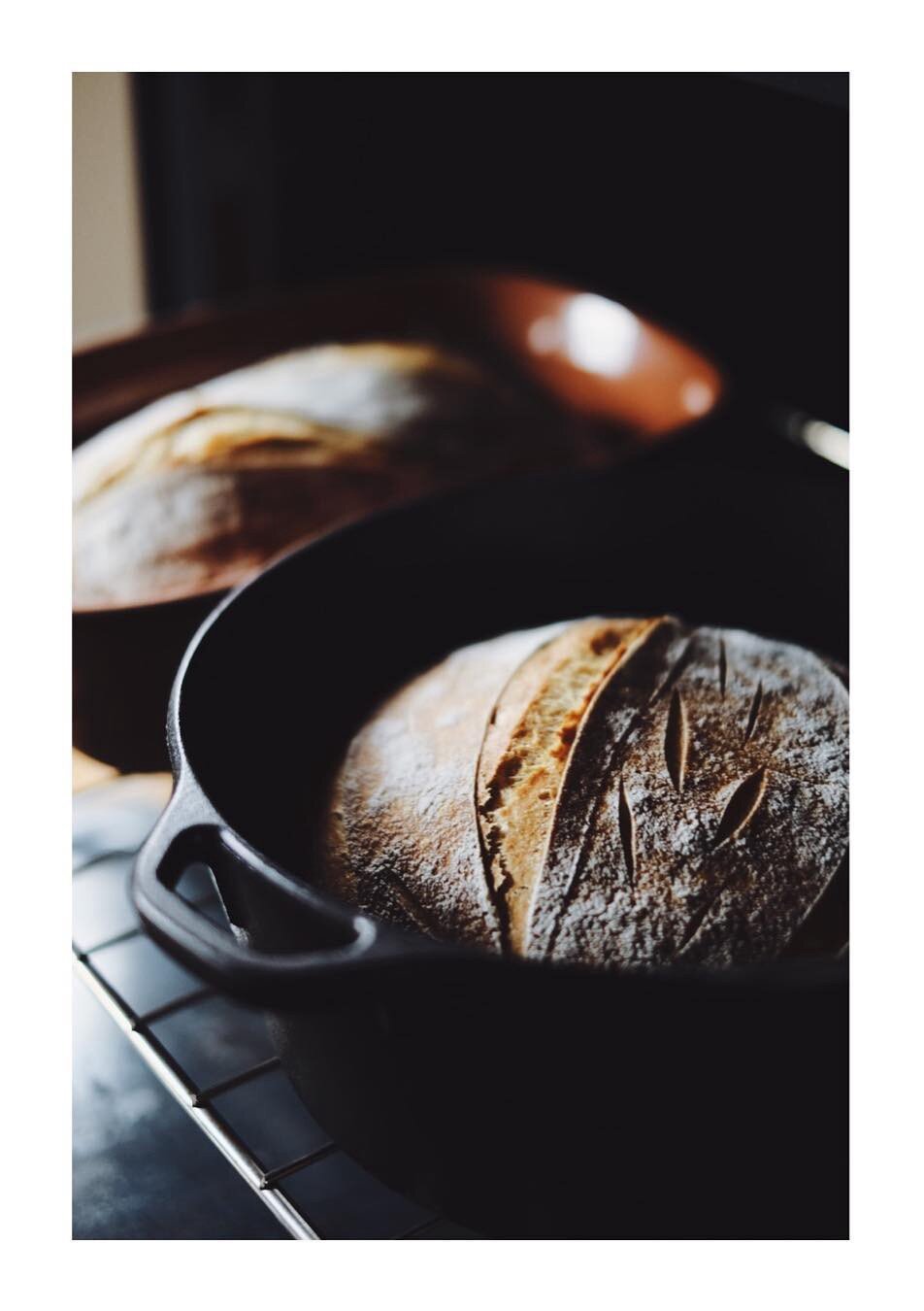
Personal Passion: Sourdough Bread Baking @leotheleaven
I’ll also be sure to share more writings and some insights into the photography world and post new images as I create them during the inspiration-stage of my sheltering-in-place time at home.
Please be safe and take care. I look forward to being behind the camera again for my clients and showing the world just how amazing the creators are who design the places and spaces all around us.
- Joe