
The Road Ahead
It's been a longtime goal of mine to pursue a Master's degree, and it took the global pandemic of 2020/2021 (and ongoing) to give me the push in the right direction.
2022 is gearing up to be a big year. It brings a lot of changes, some big and some not so big. But here’s one I'm excited to share.
If I've learned anything over the past two years, it pays to be prepared. At the onset of the first government shutdown, I wasn't panicked by the financial threat of the pandemic. I learned years ago to set aside time monthly to review my business' financials and stay current on my bookkeeping. Of course, at the time, we had all hoped that we'd be able to ride out the pandemic for a few months. I had predicted early on that we'd all be in the clear by September 2020 - if everyone worked together to stop the spread - (we all know how that turned out). Then, with the incredible help offered by the Small Business Administration, I was fortunate enough to sail my ship through the rough seas and come out the other side relatively unscathed. During the expedition, the beast inside that always wanted to pursue a new career path was awakened, and I thought, if not today, then when?

West elevation of the Wren Building at The College of William and Mary.
It's been a longtime goal of mine to pursue a Master's degree, and it took the global pandemic of 2020/2021 (and ongoing) to give me the push in the right direction. I'm 3/8 of the way through an Online Master of Science in Finance program at The Raymond A. Mason School of Business at The College of William & Mary (and, currently rocking a 4.0, I'm happy to add). This is a whole new world to me. We're studying the fundamental framework of finance in the real world. And, we're discussing policy and theory while also learning how to forecast financial statements, discount free cash flows, and calculate the net present value of… you get the idea.
So, what does this mean for my photography? Well, for the present moment, not a whole lot has changed. I'm still out on assignments (I'm just taking on fewer jobs to balance my course load). Later this year, I'll be pounding the pavement and interviewing for opportunities in the finance world. Whether in real estate investments, investment management, or an internal corporate finance team. I'd like to explore my options and find a fit that supports my goals. I'd love to be a part of a great team of people who care about the world we live in and believe that the work they do makes a difference.
I, by no means, expect to hit the ground running. And, I will never entirely abandon photography. Its been a passion of mine since I was a teenager. If clients of mine would like to continue working with me, I'll be happy to occasionally find the time to fit in a few gigs. I'll also stay up to date on the latest gear and software, so when I step back up to the plate, I'll be able to do so seamlessly.
Of course, this new direction will also allow me the freedom to explore more personal photography projects. I'll be sure to keep everything updated around the web so you can see what I'm up to.

Is licensing the enemy? Or are other photographers?
For the second time in about six months, I've had to explain to new clients why they can't just "have the images" and "use them however they want."
For the second time in about six months, I've had to explain to new clients why they can't just "have the images" and "use them however they want."

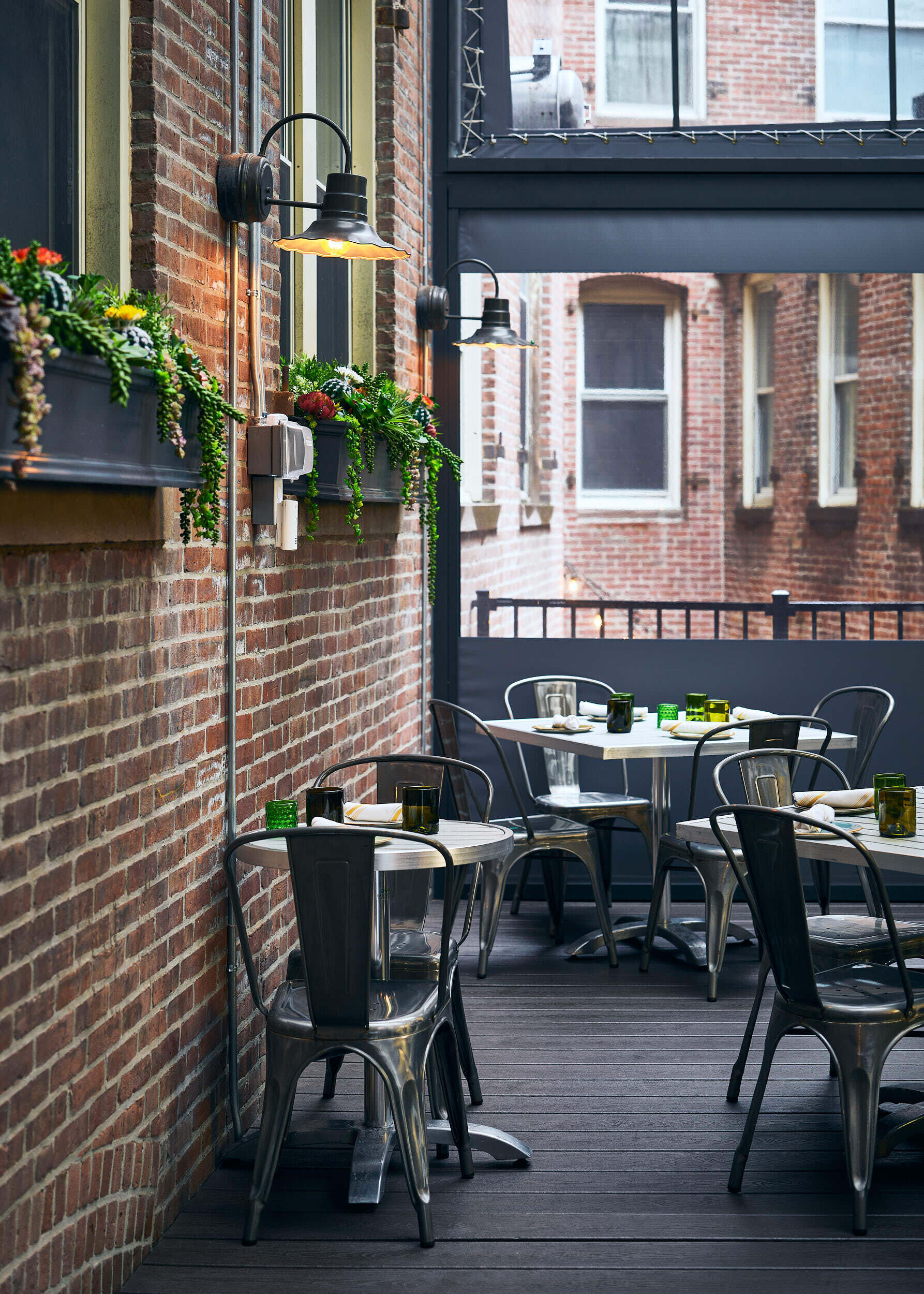
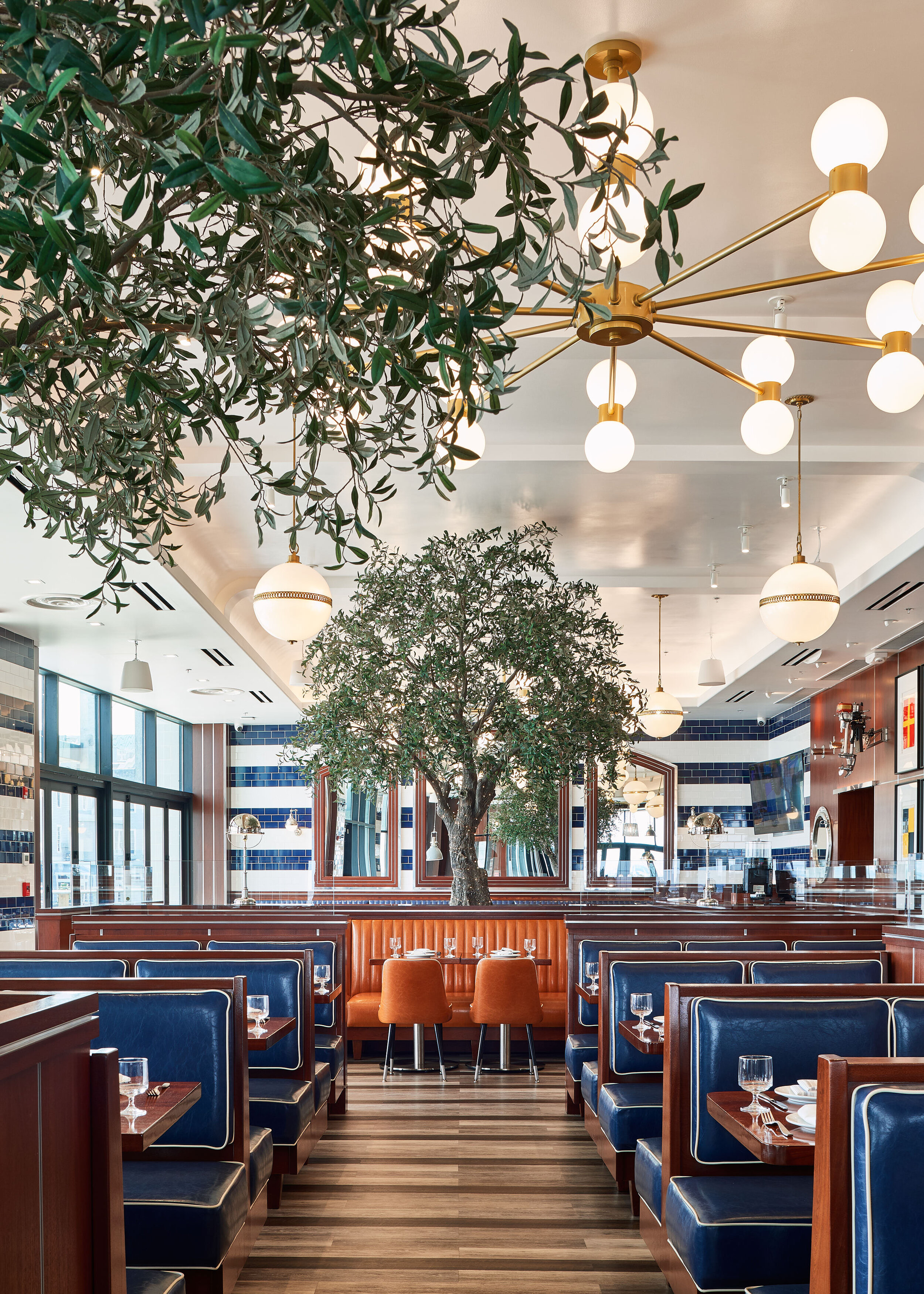
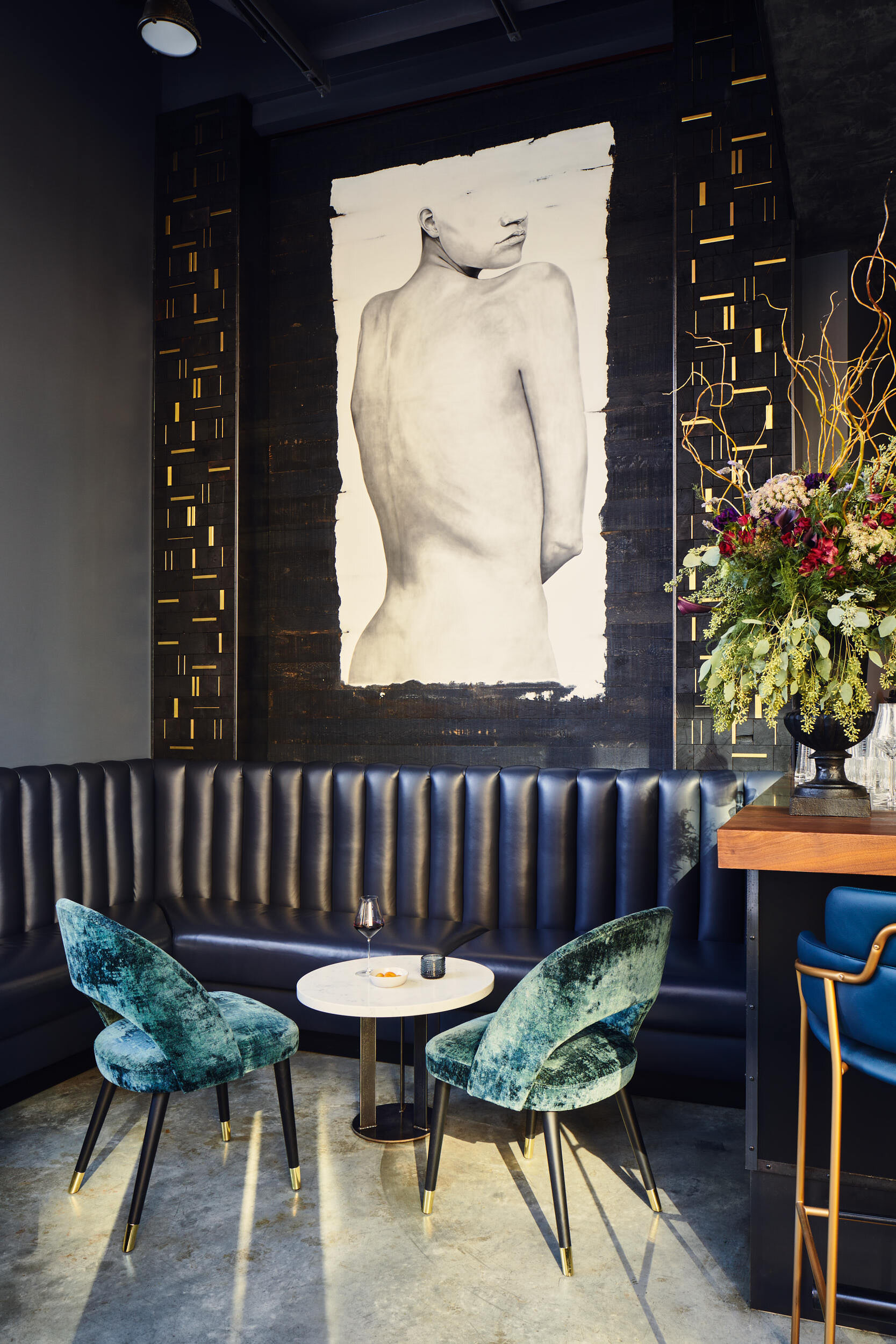
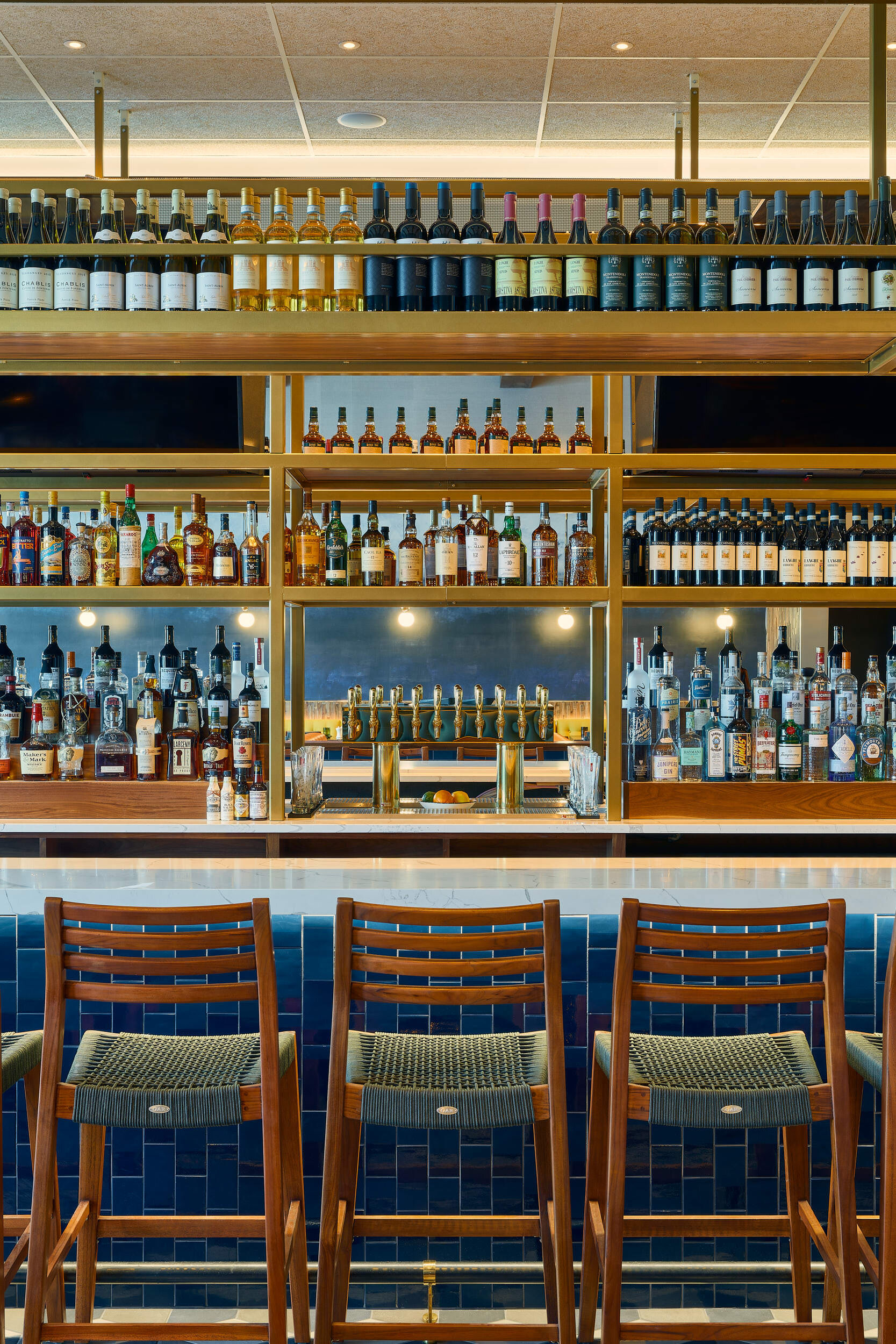
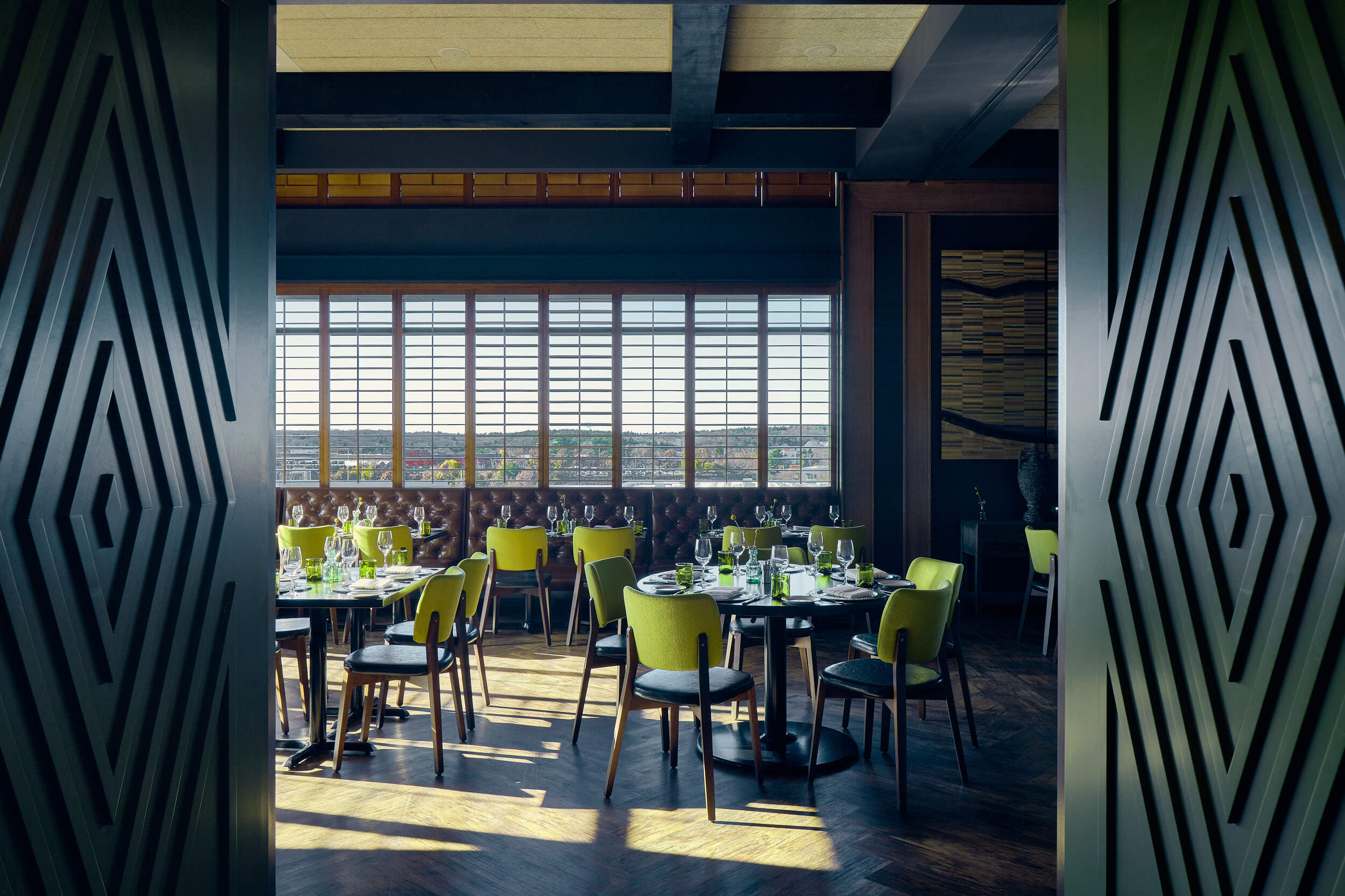
Nathálie Wine Bar, Fenway - Wolf In Sheep Design & Fennick McCredie Architecture
Two weeks ago, I received an email from an up-and-coming architect from New York. Like many who reach out to me for the first time, this person's email opened with compliments about my work and information about how they found me. Then they explained the project they needed to have photographed, not giving too much away, but leaving room for me to ask for more information. And, as all of these emails do, they humbly asked what my rates were and if I were interested.
So, I responded, thanking them for the compliments and offered compliments of my own about their work. I also graciously thanked them for reaching out during these times. Choosing to spend money on photography is somewhat of a luxury these days, so I don't take lightly their decision to shop for a photographer. I then tried to gather a little more info before dropping a price. I also asked if other parties would be interested in buying-in on the shoot (it's common practice, saves my clients some money, and it’s a great way to increase revenue). Given that we're essentially in a buyers market right now, I chose to dance delicately through this negotiation to offer this potential client top-tier images without too great a cost.
When I heard back, I learned that only a few interior images were necessary, maybe 4-5 photos, tops. There wouldn't be any other parties that would be buying-in on the shoot. Contractors, interior designers, or vendors were not going to be involved with this shoot. The architect did mention that they weren't able to afford too much. They're a small firm, and judging by the photography on their site, they've been photographing projects themselves until this point or have had a friend with a camera photograph for them.



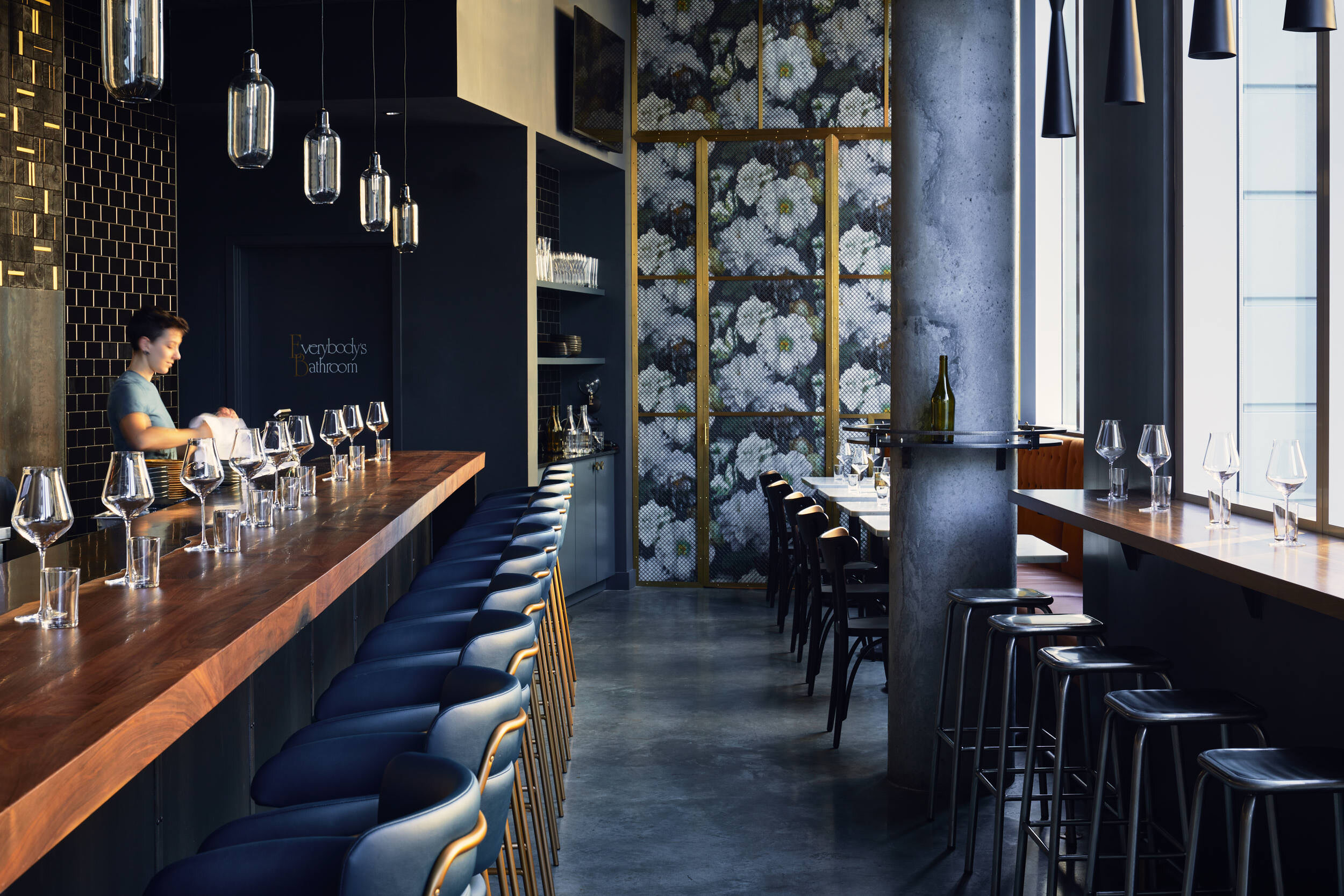
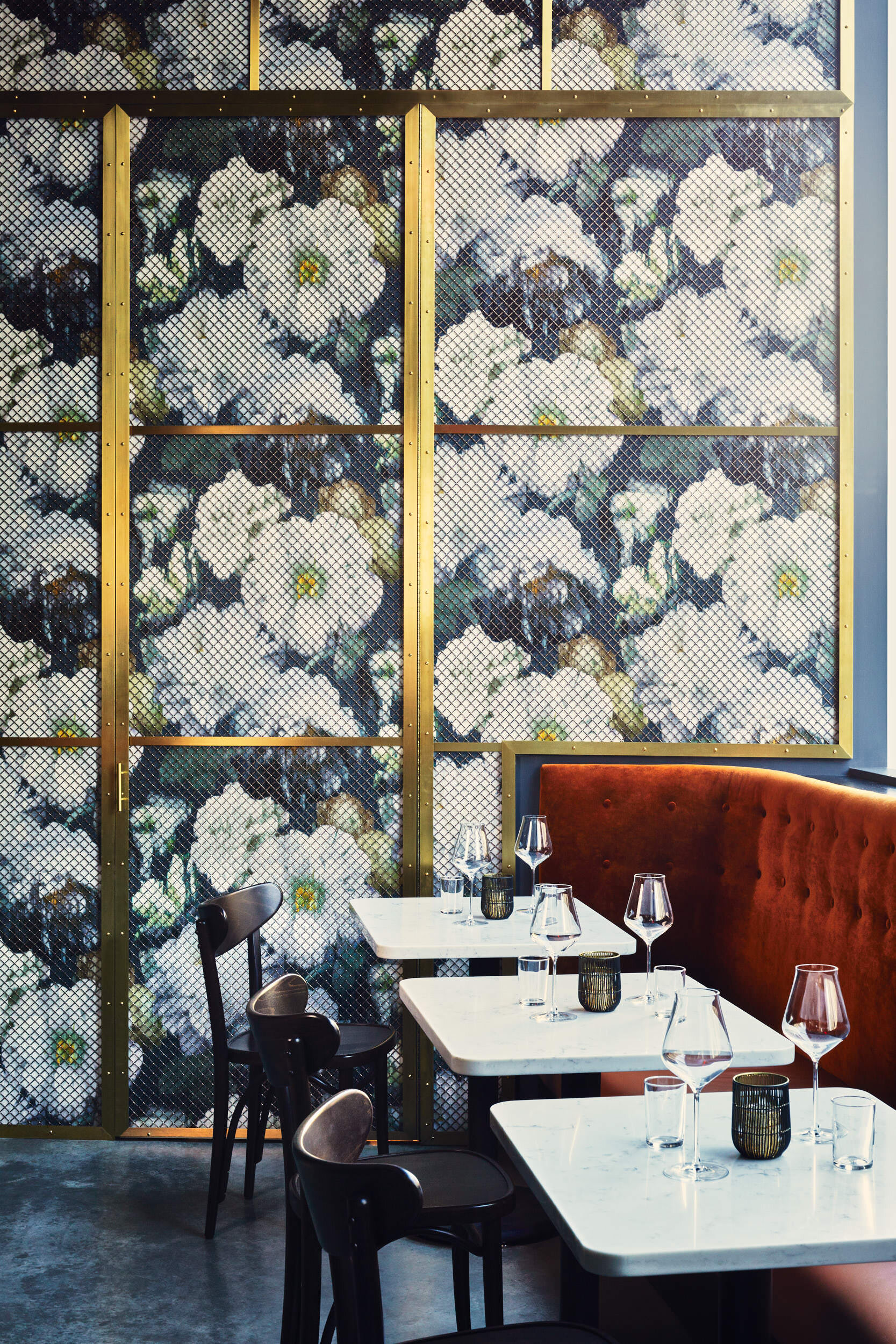

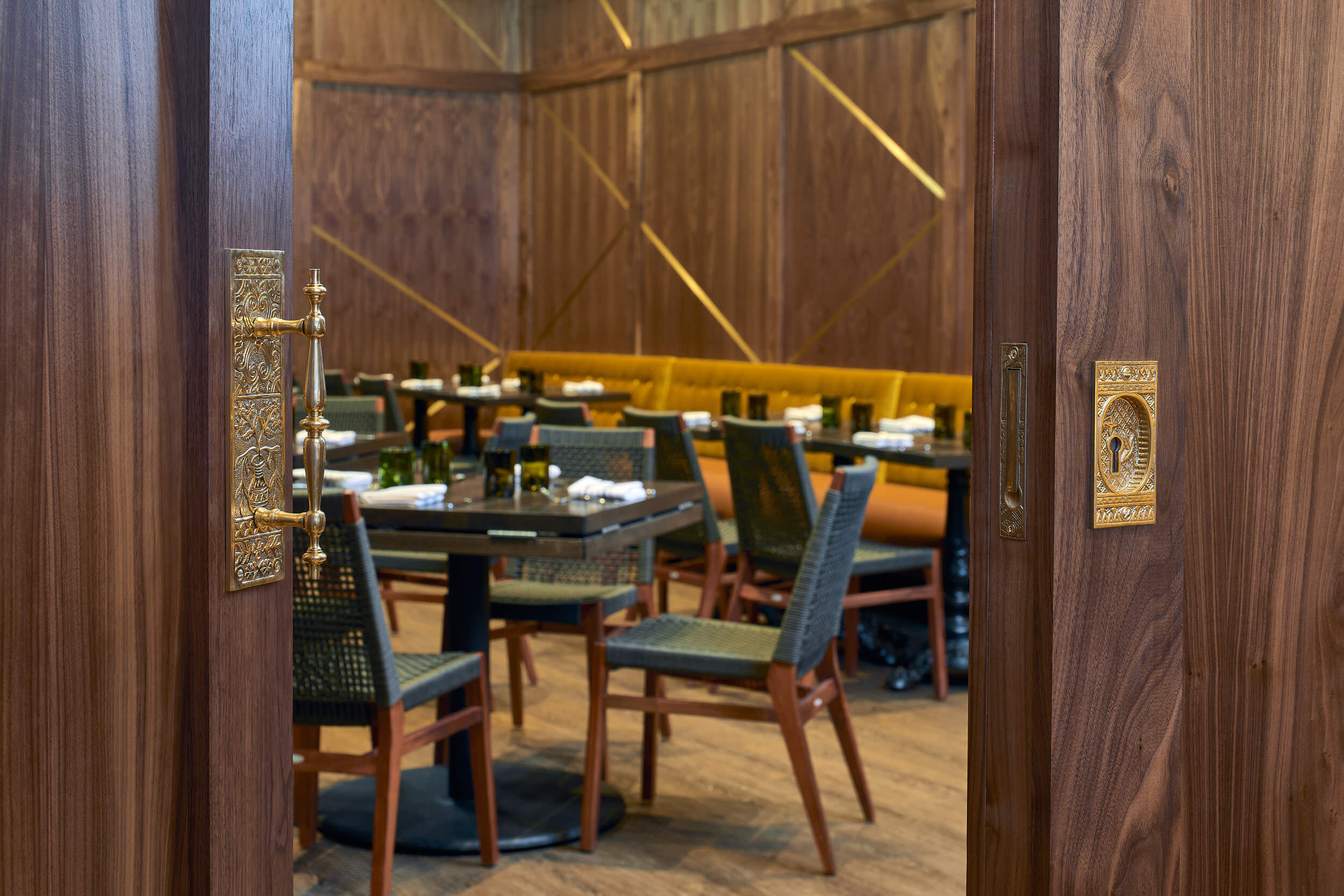
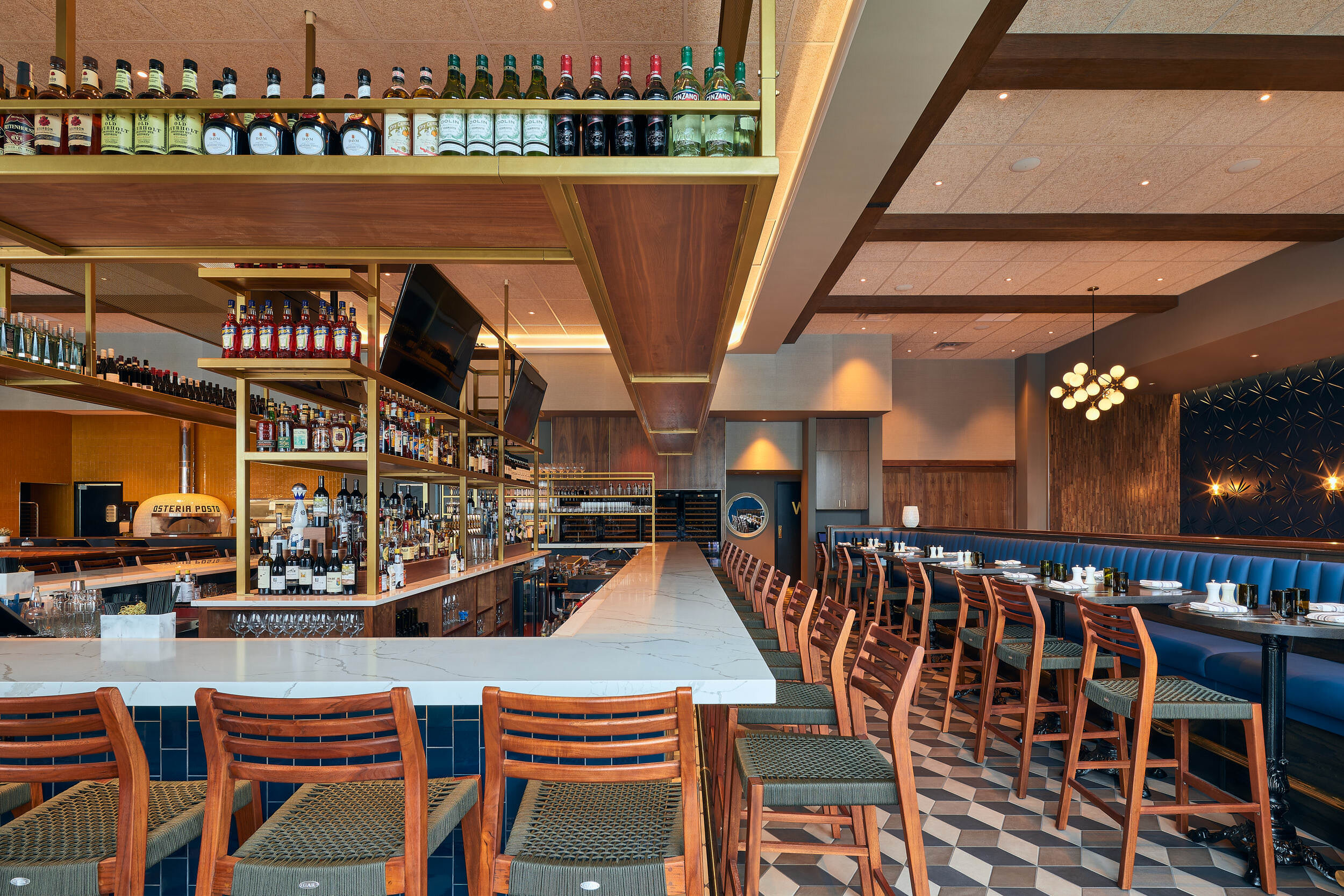
Understanding this project, I could photograph without an assistant and take only the more significant part of an afternoon right up until sunset to complete the shoot. I was able to conceive a price that seemed comfortable for both of us. I also reserved in my mind the potential to resell the images to those other parties later on, if they become interested. After a quick back and forth, the price was agreed upon - at this point, only through email.
Now during all of this, I explained how my licensing worked. I outlined how I choose to retain ownership, copyright of the images as the creator, and license photos for commercial use. My commercial license would allow the small firm to advertise regionally, use the photos on any website owned by them, publish the photos on their own social media profiles, print them on promotional materials, display them digitally in presentations, archive them, and submit them to competitions. My only request was that if another party was to benefit from using the images, they be referred to me to purchase a one-time license (like a blog, magazine, or newspaper). I have always held firm, that yes, editorial publications use social media as advertising. And that all magazines have a budget for photography. When a blogger or magazine publicizes an article written about my clients and posts my images on their sites and to their profiles, they produce content that is then analyzed for engagement, which drives advertising dollars. Once images are widely shared, a vast audience also wrongfully assumes that the photos are up for grabs. As a business owner, I have to protect my assets and revenue streams.
My last point was that if you're spending money on photography, why would you let someone else get the images for free? What if you spent thousands of dollars on a shoot, and found out I just gave the photos to the contractors and vendors for free?
And, here's when things changed.
For the second time in about six months, I've had to explain to new clients why they can't just "have the images" and "use them however they want."
This architect told me that photographers in LA (and let's be honest, it's not just in LA) were happy with just billing a fee for the shoot and just giving the images to their clients to use however they want. Theirs to own, they said.
Wow.

Nathálie Wine Bar, Fenway - Wolf In Sheep Design & Fennick McCredie Architecture
First off, whoever is doing this, you're operating an unsustainable business model! If you're new to this business, there's a learning curve, and I'm sure you'll soon course correct and find there is a way to make money as a photographer. But, if you've been at this for a while and this is your modus operandi, I hate to say it, but you are the reason why you're working so hard and not making any money. And, you're devaluing the work of your peers.
After pleading my case and reasonably explaining why I couldn't just let them send the images to the well-known, internationally recognized publications in exchange for photo credit, we amicably decided to go our separate ways. The architect told me that they were better off just trying to find someone who would let them own the images.
If this is a growing trend, this industry will fail. Conversely, if clients are happy paying more, then I’m sure I can find a way to be happy letting them use the images however they want. But, if fees keep falling, then there’s nothing to save this ship from drowning. With the closing of so many professional photography schools, it seems only university photography programs that specialize in fine art are the only places left to educate our photographers of tomorrow. While I, too, started by offering shoots for a meager price, I never did any work for free or let the photos be shared in exchange for photo credit. My tax guy can't send the IRS clippings from the newspaper showing my business generosity for donation expenses on my Schedule C. Trader Joe's doesn't accept widely shared images on social media in exchange for groceries.
Suppose we're giving up on intellectual property rights. In that case, being an independent, freelance photographer will not be a profession in the future. If we're not taking this business seriously now, then when will we?
Sorry for the rant. If I reencounter this over the next six months, I dare say that the writing is on the wall.
- Joe
Past Articles about copyright, licensing, and pricing:

Taxes... still with me?
At the end of the year, to help your clients, send them a nice note letting them know if they are required to report any payments they made by check to you, totaling over $600 for the year. If it's a mixed bag of check and credit card transactions, do the math for them and be nice about it. Let them know that they are not to report all of the credit card transactions they made on a 1099-NEC. If they tell you, "We have to report it," now would be an excellent time to educate them a bit more. Inform them about the hassle this will cause and the costs you might incur to remedy this with the IRS later.
Income Double-Reporting: 1099-K vs. 1099-NEC
What happens when a client submits a 1099-NEC for payments they made by credit card?

American International College | Phase Zero Design
Disclaimer: This information is not to be construed as legal or financial advice. I am not an accountant, nor a lawyer. I am simply using an example from a situation I’ve experienced in my professional life to bring attention to the cause and effect of double-reporting income. Before responding to any letter from the IRS, please consult an accountant. If you don’t have an accountant, get one. I’ve worked with mine since 2013 and it’s worth every penny.
BACKSTORY
Late last year, I received that lovely envelope bearing the IRS's logo. Their letter stated that in 2018 the company I use to invoice my clients and process credit card payments, Square, had reported a sum of money on a 1099-K form. They submitted that to the IRS on my behalf. They then stated that I failed to report that income and was now responsible for a tax bill with interest.
Here's the thing: I know how this works, and I did report that income.
So, why the mix-up?
When a client pays by credit card, that third-party payment processing company is obligated to report those transactions at the end of the year. Since it was money that "passed through their hands" and on to mine, less a transaction fee, I'm sure they would want to report that money wasn't income for them. And it keeps business owners honest.
But, if your client then submits a 1099-NEC, reporting that same money they paid by credit card, this money is now being reported twice.
Yup, I know. Fun.
After gathering evidence to support that my paperwork was in order, and clarifying that this was all a misunderstanding, I asked my accountant to reach out to them and point out that someone at the IRS didn't know math. My accountant then sent off a certified letter to the IRS stating as much for a mere $500 fee, I must add.
Now, I'm sure my letter is buried in a pile of similar letters because I'm sure I'm not the only one engaging in correspondence with the IRS this year. So, I don't expect this to resolve itself anytime soon.
SEE ONE, DO ONE, TEACH ONE
If a client pays for your services by credit card, that credit card processing company will keep a record of those transactions and file a 1099-K at the end of the year on your behalf. It's essential to cross-reference your payments to track which invoices were paid by credit card or check. It is possible that a client may also pay you by check and by credit card for multiple jobs throughout the year.
At the end of the year, to help your clients, send them a nice note letting them know if they are required to report any payments they made by check to you, totaling over $600 for the year. If it's a mixed bag of check and credit card transactions, do the math for them and be nice about it.
Let them know that they are not to report all of the credit card transactions they made on a 1099-NEC. If they tell you, "We have to report it," now would be an excellent time to educate them a bit more. Inform them about the hassle this will cause and the costs you might incur to remedy this with the IRS later.
Here's another long and tedious article by an actual accountant that explains when a 1099-NEC needs to be filed. It will go into numbing detail about the tax law. Still, it may give you some clout when informing your clients that double-reporting is a real issue, and it also may be against the law.
I hope this helps someone out there! Cheers to everyone pushing on and taking 2021 two-steps forward.
Thanks,
Joe
"Money is not nice. Money got no friends but more money."
Quote by J. Steinbeck / The Winter of our Discontent