
Is licensing the enemy? Or are other photographers?
For the second time in about six months, I've had to explain to new clients why they can't just "have the images" and "use them however they want."
For the second time in about six months, I've had to explain to new clients why they can't just "have the images" and "use them however they want."

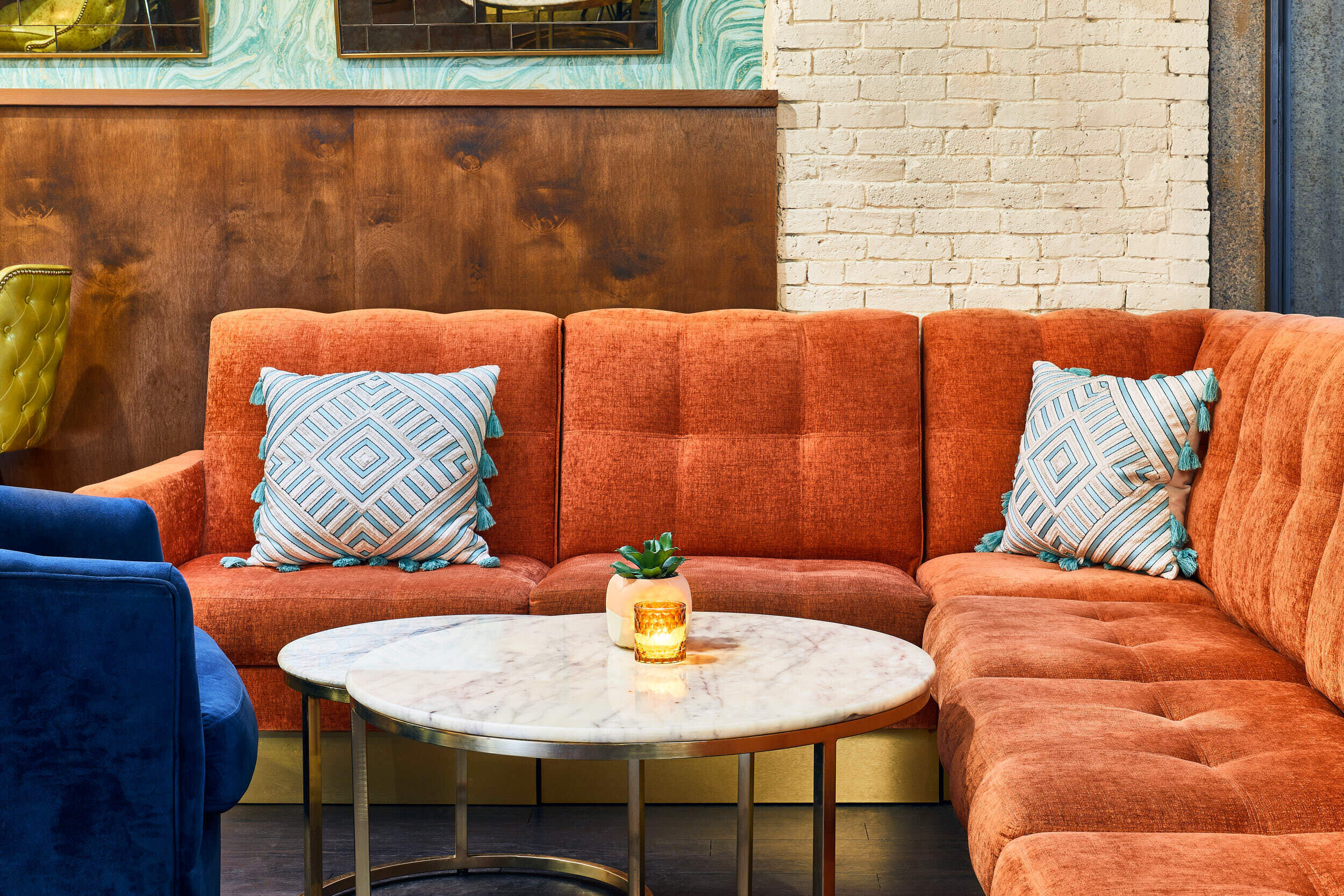
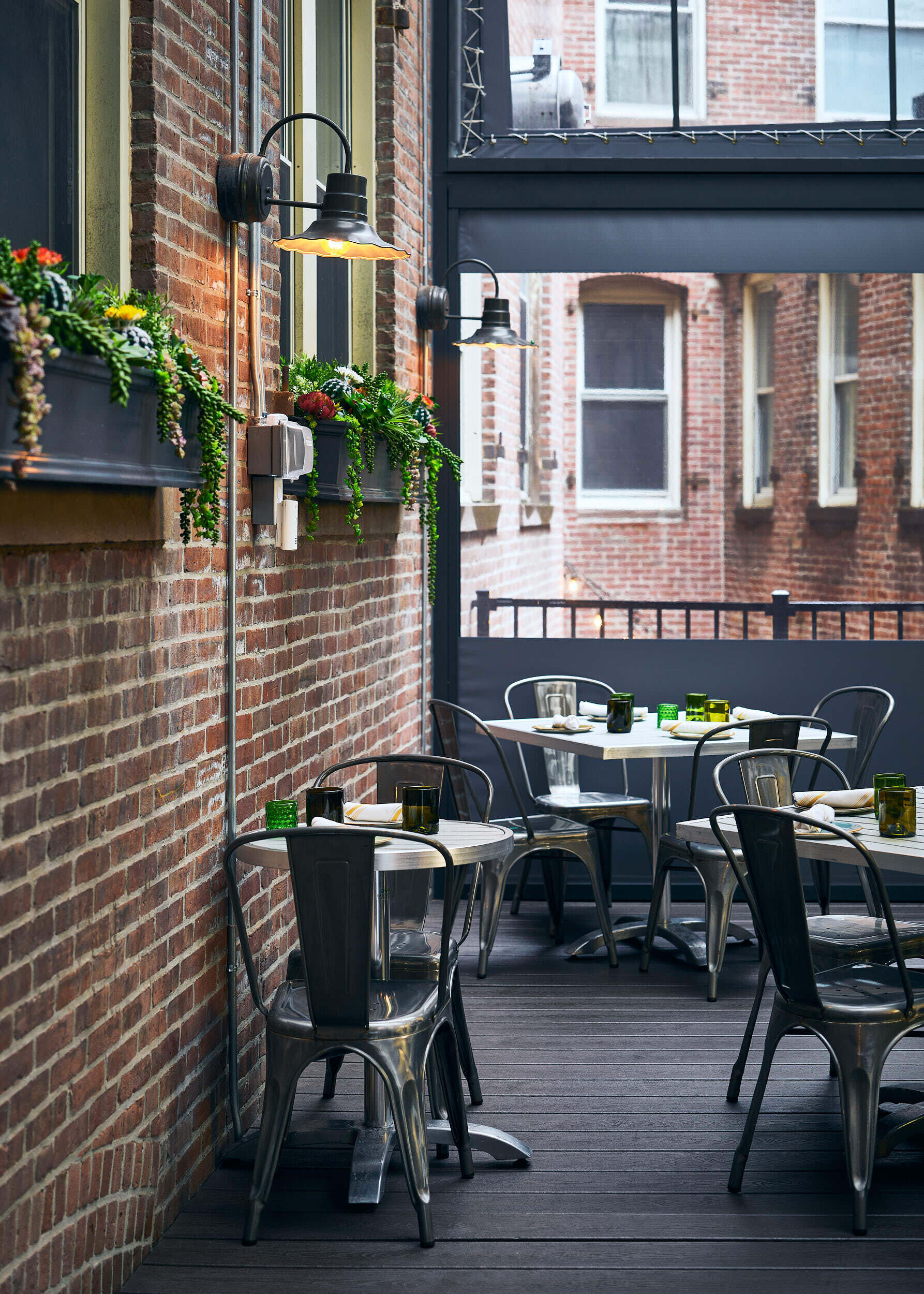
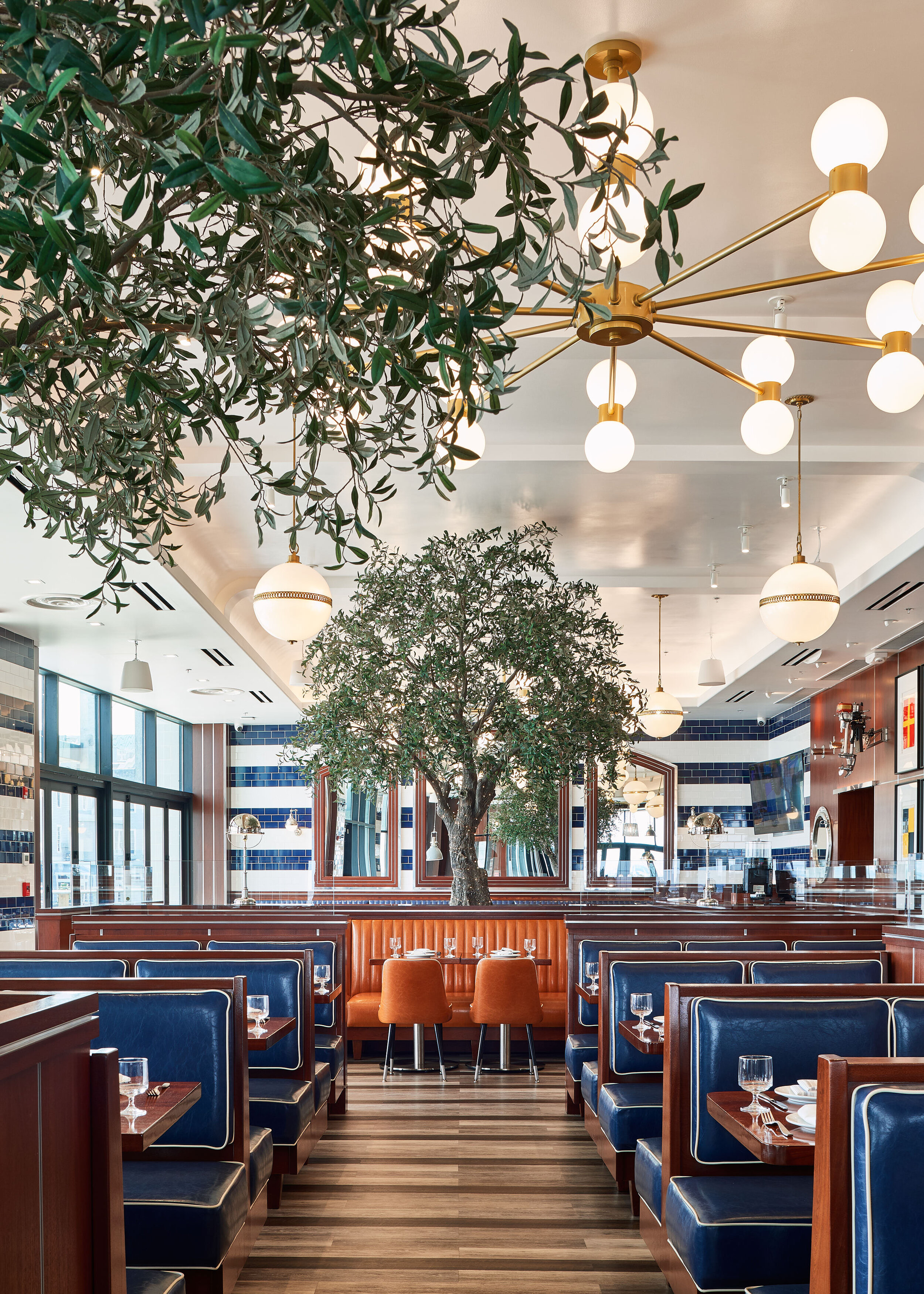
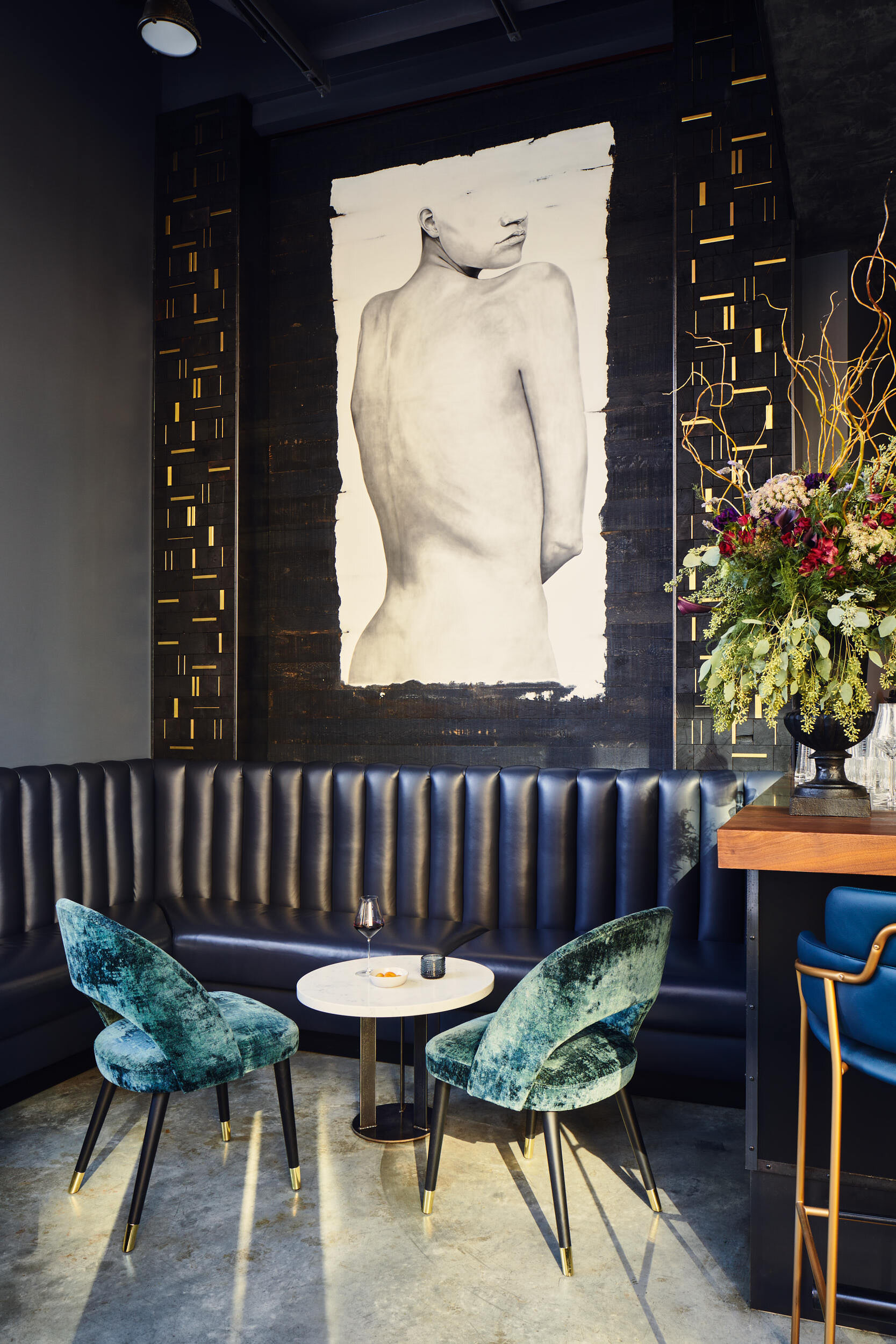
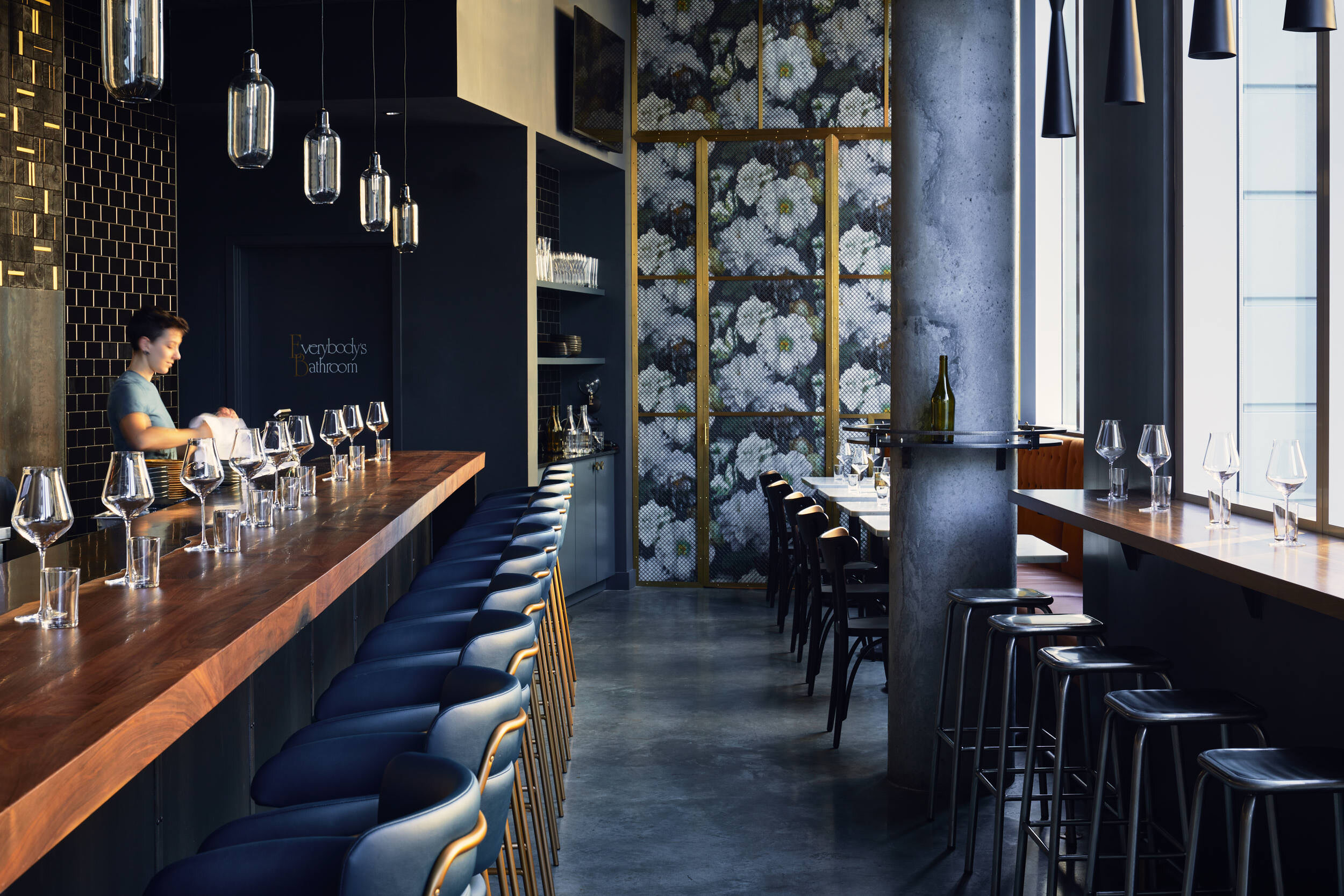
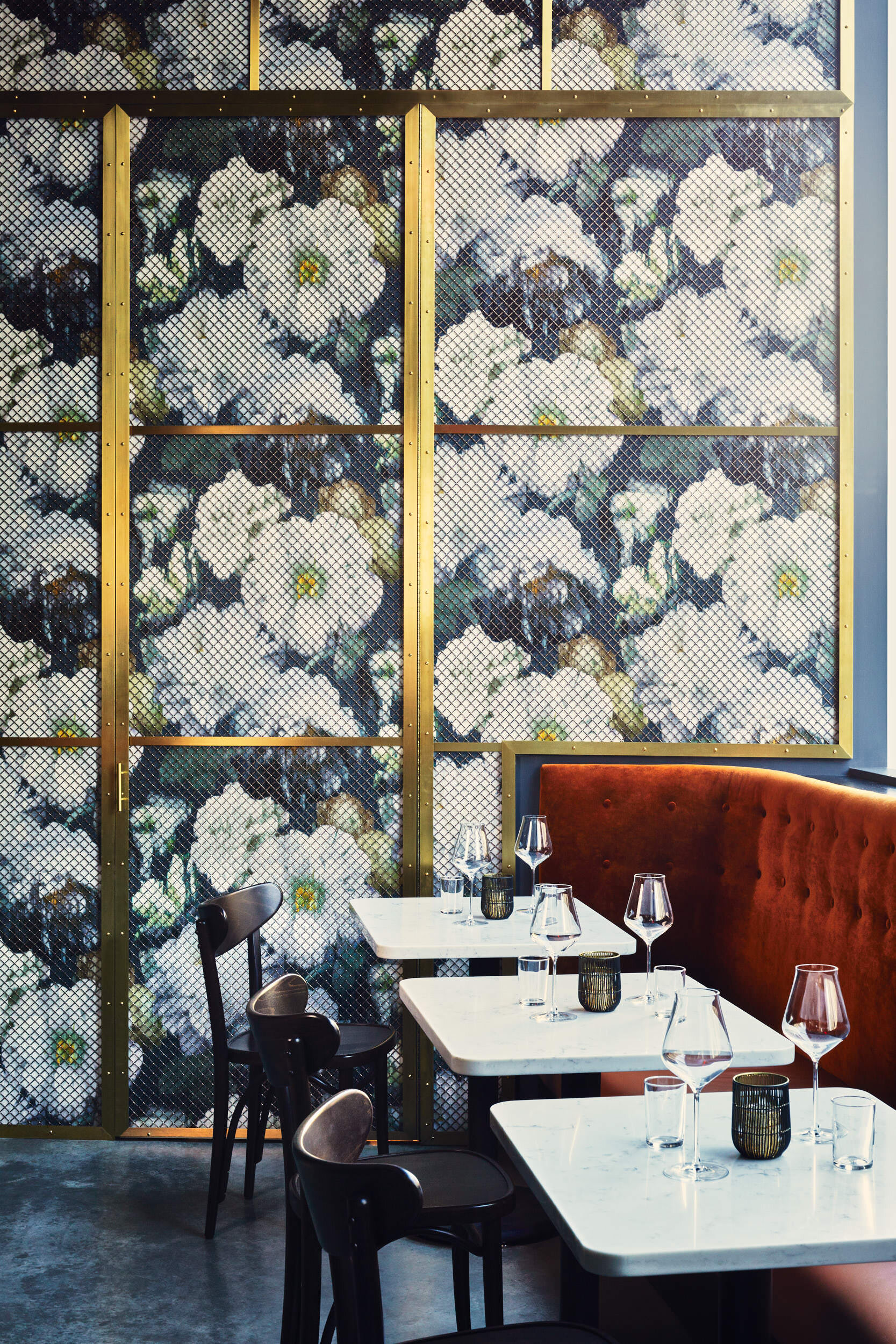
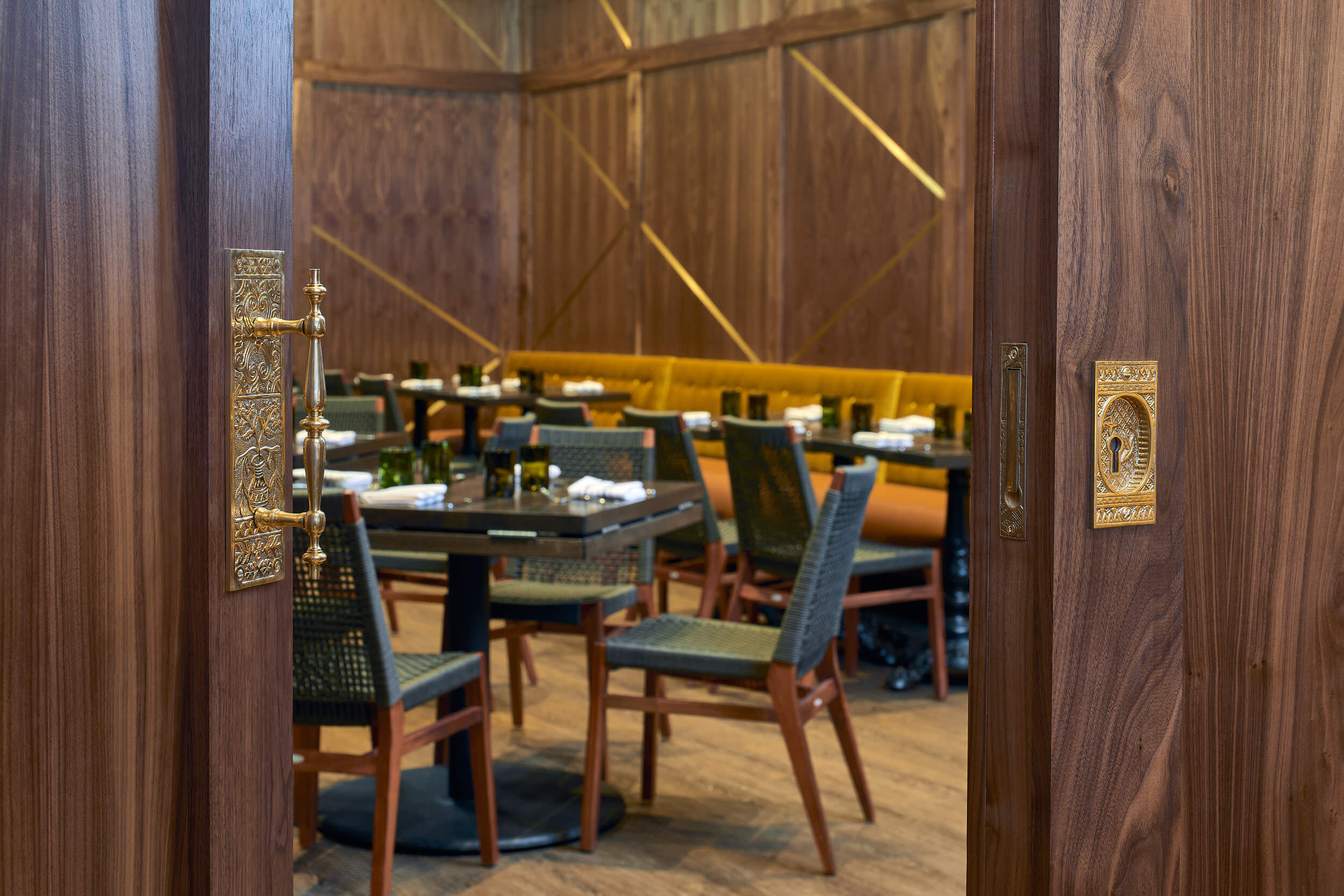
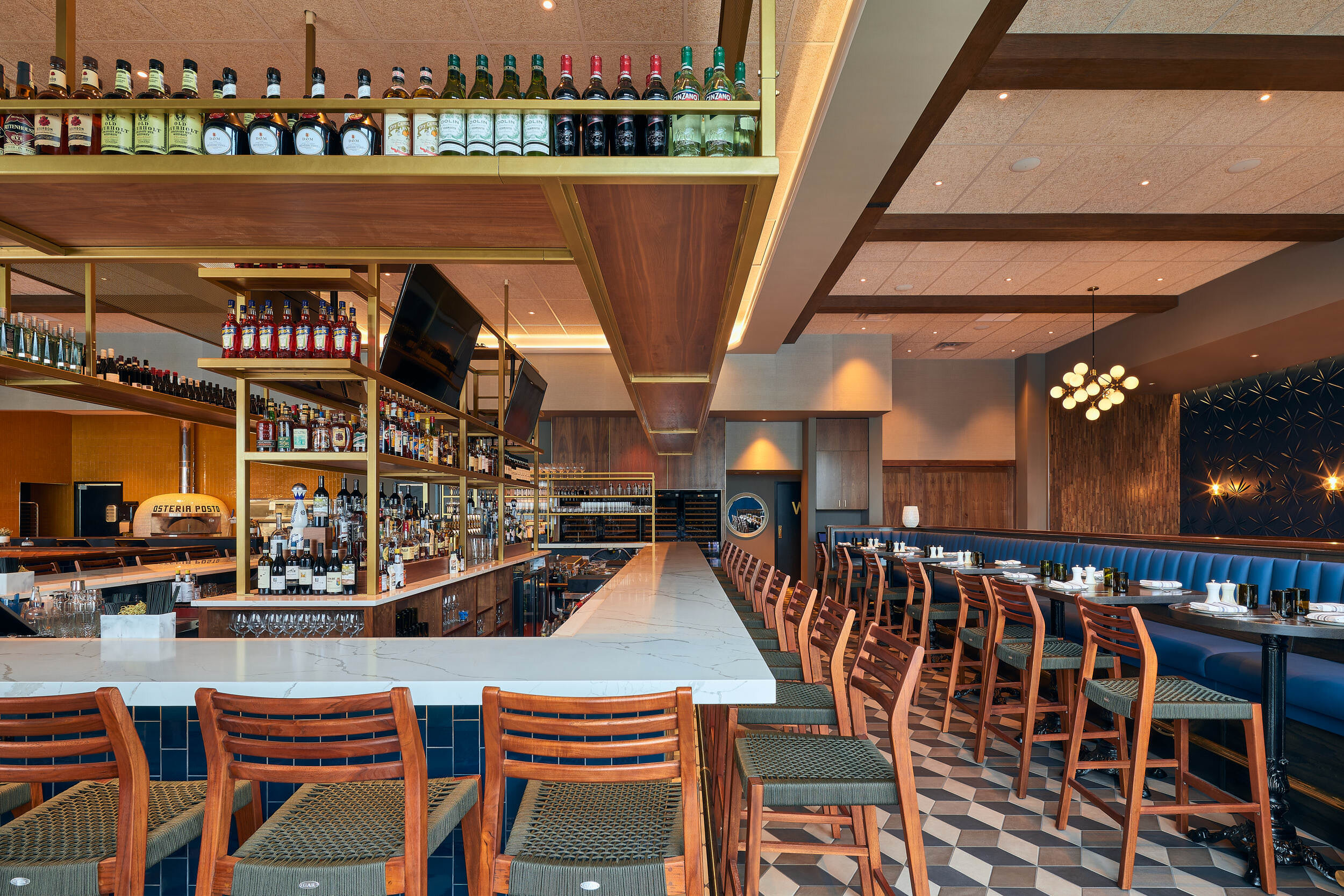
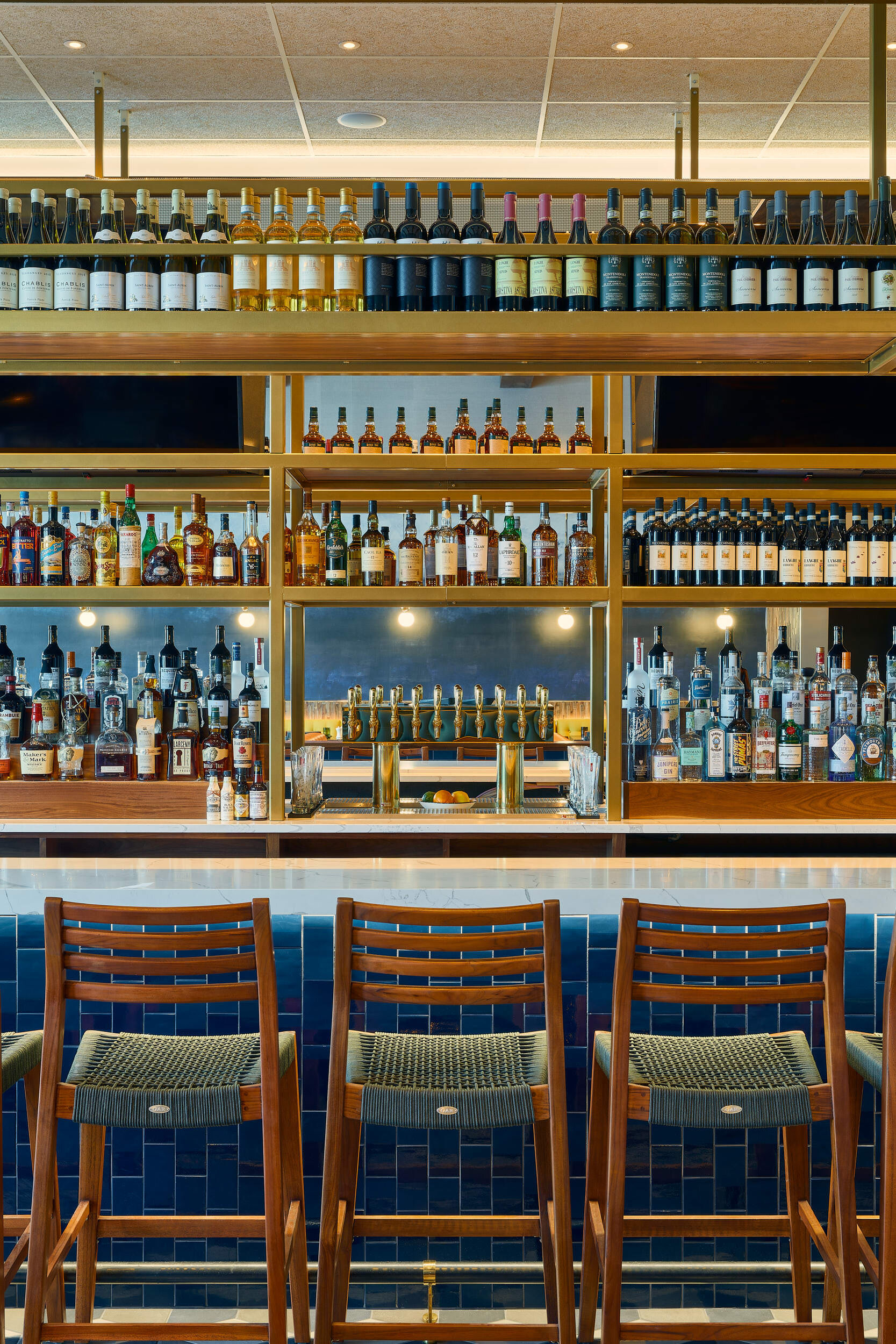
Nathálie Wine Bar, Fenway - Wolf In Sheep Design & Fennick McCredie Architecture
Two weeks ago, I received an email from an up-and-coming architect from New York. Like many who reach out to me for the first time, this person's email opened with compliments about my work and information about how they found me. Then they explained the project they needed to have photographed, not giving too much away, but leaving room for me to ask for more information. And, as all of these emails do, they humbly asked what my rates were and if I were interested.
So, I responded, thanking them for the compliments and offered compliments of my own about their work. I also graciously thanked them for reaching out during these times. Choosing to spend money on photography is somewhat of a luxury these days, so I don't take lightly their decision to shop for a photographer. I then tried to gather a little more info before dropping a price. I also asked if other parties would be interested in buying-in on the shoot (it's common practice, saves my clients some money, and it’s a great way to increase revenue). Given that we're essentially in a buyers market right now, I chose to dance delicately through this negotiation to offer this potential client top-tier images without too great a cost.
When I heard back, I learned that only a few interior images were necessary, maybe 4-5 photos, tops. There wouldn't be any other parties that would be buying-in on the shoot. Contractors, interior designers, or vendors were not going to be involved with this shoot. The architect did mention that they weren't able to afford too much. They're a small firm, and judging by the photography on their site, they've been photographing projects themselves until this point or have had a friend with a camera photograph for them.



Understanding this project, I could photograph without an assistant and take only the more significant part of an afternoon right up until sunset to complete the shoot. I was able to conceive a price that seemed comfortable for both of us. I also reserved in my mind the potential to resell the images to those other parties later on, if they become interested. After a quick back and forth, the price was agreed upon - at this point, only through email.
Now during all of this, I explained how my licensing worked. I outlined how I choose to retain ownership, copyright of the images as the creator, and license photos for commercial use. My commercial license would allow the small firm to advertise regionally, use the photos on any website owned by them, publish the photos on their own social media profiles, print them on promotional materials, display them digitally in presentations, archive them, and submit them to competitions. My only request was that if another party was to benefit from using the images, they be referred to me to purchase a one-time license (like a blog, magazine, or newspaper). I have always held firm, that yes, editorial publications use social media as advertising. And that all magazines have a budget for photography. When a blogger or magazine publicizes an article written about my clients and posts my images on their sites and to their profiles, they produce content that is then analyzed for engagement, which drives advertising dollars. Once images are widely shared, a vast audience also wrongfully assumes that the photos are up for grabs. As a business owner, I have to protect my assets and revenue streams.
My last point was that if you're spending money on photography, why would you let someone else get the images for free? What if you spent thousands of dollars on a shoot, and found out I just gave the photos to the contractors and vendors for free?
And, here's when things changed.
For the second time in about six months, I've had to explain to new clients why they can't just "have the images" and "use them however they want."
This architect told me that photographers in LA (and let's be honest, it's not just in LA) were happy with just billing a fee for the shoot and just giving the images to their clients to use however they want. Theirs to own, they said.
Wow.

Nathálie Wine Bar, Fenway - Wolf In Sheep Design & Fennick McCredie Architecture
First off, whoever is doing this, you're operating an unsustainable business model! If you're new to this business, there's a learning curve, and I'm sure you'll soon course correct and find there is a way to make money as a photographer. But, if you've been at this for a while and this is your modus operandi, I hate to say it, but you are the reason why you're working so hard and not making any money. And, you're devaluing the work of your peers.
After pleading my case and reasonably explaining why I couldn't just let them send the images to the well-known, internationally recognized publications in exchange for photo credit, we amicably decided to go our separate ways. The architect told me that they were better off just trying to find someone who would let them own the images.
If this is a growing trend, this industry will fail. Conversely, if clients are happy paying more, then I’m sure I can find a way to be happy letting them use the images however they want. But, if fees keep falling, then there’s nothing to save this ship from drowning. With the closing of so many professional photography schools, it seems only university photography programs that specialize in fine art are the only places left to educate our photographers of tomorrow. While I, too, started by offering shoots for a meager price, I never did any work for free or let the photos be shared in exchange for photo credit. My tax guy can't send the IRS clippings from the newspaper showing my business generosity for donation expenses on my Schedule C. Trader Joe's doesn't accept widely shared images on social media in exchange for groceries.
Suppose we're giving up on intellectual property rights. In that case, being an independent, freelance photographer will not be a profession in the future. If we're not taking this business seriously now, then when will we?
Sorry for the rant. If I reencounter this over the next six months, I dare say that the writing is on the wall.
- Joe
Past Articles about copyright, licensing, and pricing:

Licensing & Copyright: Part Two
In my last installment, Part Two of my Licensing & Copyright insights, I’ll explain what Copyright means to me in more than general terms.

In my first installment about Licensing, I wrote about how I price my services and license my work. Though this next article is shorter in length, I will go into a bit of detail that supports the practice of licensing my work and the foundation behind being a career independent photographer.
So, we all have a general sense of what copyright is. The topic is frequently in the news, and anyone who is an independent photographer is well aware of how important copyright protections are.
In short, if I make the photograph, I own the photograph.
In this last installment, Part Two of my Licensing & Copyright insights, I’ll explain what Copyright means to me in more than general terms.
Copyright 101
There are instances when, if I create a photograph, it’s possible I do not own the work. Here are a couple of examples:
If my clients would like exclusive ownership of my photography to use, distribute, and sell as their own, then we can discuss a transfer of copyright (know this is a very costly transaction). This involves a legal document that specifies what works are being transferred and after fees are paid and signatures collected, the transfer is made a matter of record with the Library of Congress so there is no confusion later as to who owns the work. Personally, I’ve never done this and I strongly discourage going this route as it could lead to legal implications and amendments to the copyright law that will negatively affect everyone in this business, indefinitely.

American Well for Workflow Interiors © Joseph Ferraro
A client may also offer a work-for-hire contract that buys me out of my copyright before production even begins. It’s my practice, that a work-for-hire deal may not be proposed after the production has started, and it most certainly costs much more to hire me under these circumstances, too.
The American Society of Media Photographers (ASMP) is a national organization and advocacy group for professional photographers, frequently involved in influencing legislation at both the federal and local levels in support of photographers and their copyright protections. They have chapters throughout the US and I highly recommend the membership if you’re thinking about going out on your own or are new to this business.
I first joined ASMP as a student in 2006 and was a member for many years. Here’s a note from them about copyright:
“The business of professional photography is broken into three main categories of use. Commercial refers to photography that is used to sell or promote a product, service, or idea. Editorial refers to photography used for educational or journalistic purposes. Retail refers to photography commissioned or purchased for personal use.
The difference between these categories is not in the type of photography but in the use of the images. Commercial, editorial, or retail, photographs are intellectual property. Unless the photographer is an employee or they have contractually transferred ownership, the photographer becomes the owner of this property when they create an image. Licensing this property for specific uses is how a photographer’s business generates gross income.” — ASMP (for more info: https://www.asmp.org/copyright-tutorial/)
Copyright gives the photographer the sole right to decide who can use the work that has been created. US Copyright Law, Title 17 of 1976.
You create it — you own it. Copyright comes into existence automatically when the original image is captured.
Any person or business must have permission (a license) to publish (reproduce) images in any medium, physical or electronic.
The photographer does not have to register the work with the US Copyright Office to acquire copyright.
The photographer’s name and/or the copyright symbol does not have to appear on or next to the image to have copyright protection.

Furniture Detail for Wolf In Sheep Design © Joseph Ferraro
As I’ve written above, ownership of my work is an integral part of my business. The ability to create revenue streams through licensing my copyright protected work is what allows independent creatives like me to make a living doing what I love.
Since I’ve gone into greater detail in my previous articles that included my practice of copyright protection and licensing, I’ll leave it here, and I look forward to writing more about my actual photography in the future.
For more info, please don’t hesitate to reach out and engage me in a discussion on the topics you’ve read about here.
I hope everyone is safe and healthy during these times. — Joe

Licensing & Copyright: Part One
By design, operating as a freelance photographer means running a small business. Though there are many places for photographers to learn their craft, there are far fewer places to learn the business side of their venture. Focusing solely on their craft, a photographer may miscalculate how valuable their images are and miss out on revenue; resulting in placing unnecessary strain on their businesses. Supporting the sharing of information can only improve photographer-client relationships and strengthen business strategies that sustain viable revenue streams and support all of us in the business of commercial photography.
By design, operating as a freelance photographer means running a small business. Though there are many places for photographers to learn their craft, there are far fewer places to learn the business side of their venture. Focusing solely on their art, a photographer may miscalculate how valuable their images are and lose out on revenue, resulting in placing unnecessary strain on their businesses. Supporting the sharing of information can only improve photographer-client relationships and strengthen business strategies that sustain viable revenue streams and support all of us in the business of commercial photography.
Originally posted as an article on BLDUP.com, 4/8/2020
Licensing 101
In my previous article, Best Practices: Exterior Photography, I mention that after the planning and the building of a project is complete, it's time to document the work of all involved. Creating marketable images to share with your current and prospective clients is the final part of the build process (besides those never-ending punch lists). Hiring the right photographer for the job will result in photographs that will aid in future proposals and generate sales.
It's those sales that photographers should be most interested in generating for their clients. If a company uses photographs to promote their services through marketing, whether they pay for advertising or post on social media for free, those photographs are generating potential income. Photographers can improve the viability of their business by licensing their work to clients for commercial, promotional use.
How it Works
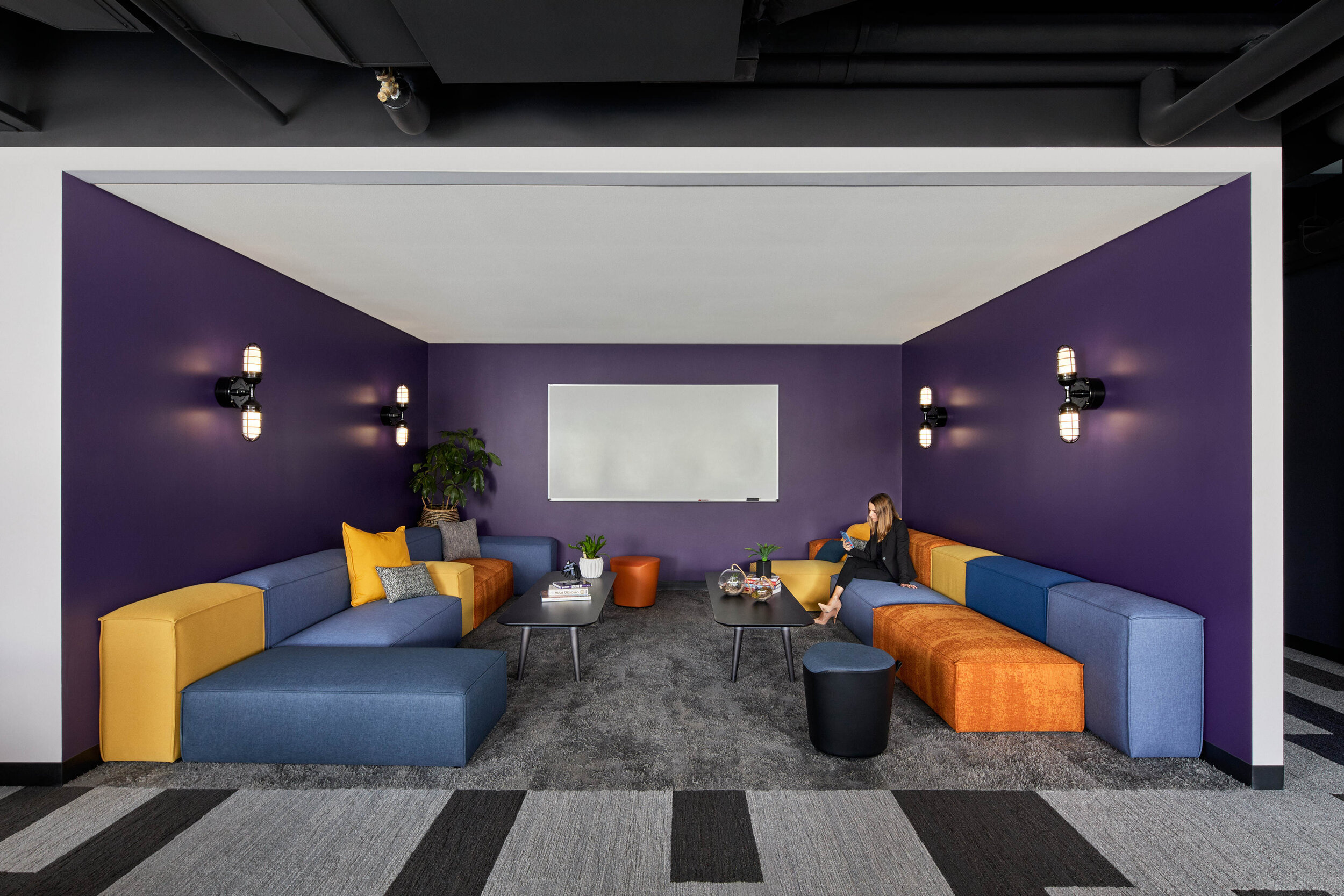
Distruptor Beam for Workflow Interiors © Joseph Ferraro
A photographer creates a work of intellectual property once they compose an image and press the shutter. Like other creative arts, copyright laws protect the work photographers create and therefore provides a means for a photographer to generate income from licensing usage rights for images to their clients.
Licensing is an agreement to issue a copy of the work generated by photographers in exchange for a royalty fee, granting the licensee the right to use the photography in ways defined by the photographer, for the length of time allowed by the agreement.
The Life of an Image
Current thought is that a photograph has a marketable lifespan of maybe a few years. It's been my experience that architectural firms can find a use for decade-old images if it helps illustrate a design concept to a potential client. So, in some licensing agreements, you may see licensing terms issued for as short as one year or as indefinite, perpetual use. Photographers who offer stricter terms may perceive a higher value for their work and expect a broader potential for future revenue by asking their clients to return year after year for a new license.
It has also become acceptable to issue a perpetual usage license that may price higher now but won't require the licensee to return to pay for more licensing when they need to use the image three or ten years from now. Either way, how a photographer licenses their work should be a reflection of their business strategy and their knowledge of their clients' market share and a project's potential to generate their client's revenue.
Commercial Use of Photography
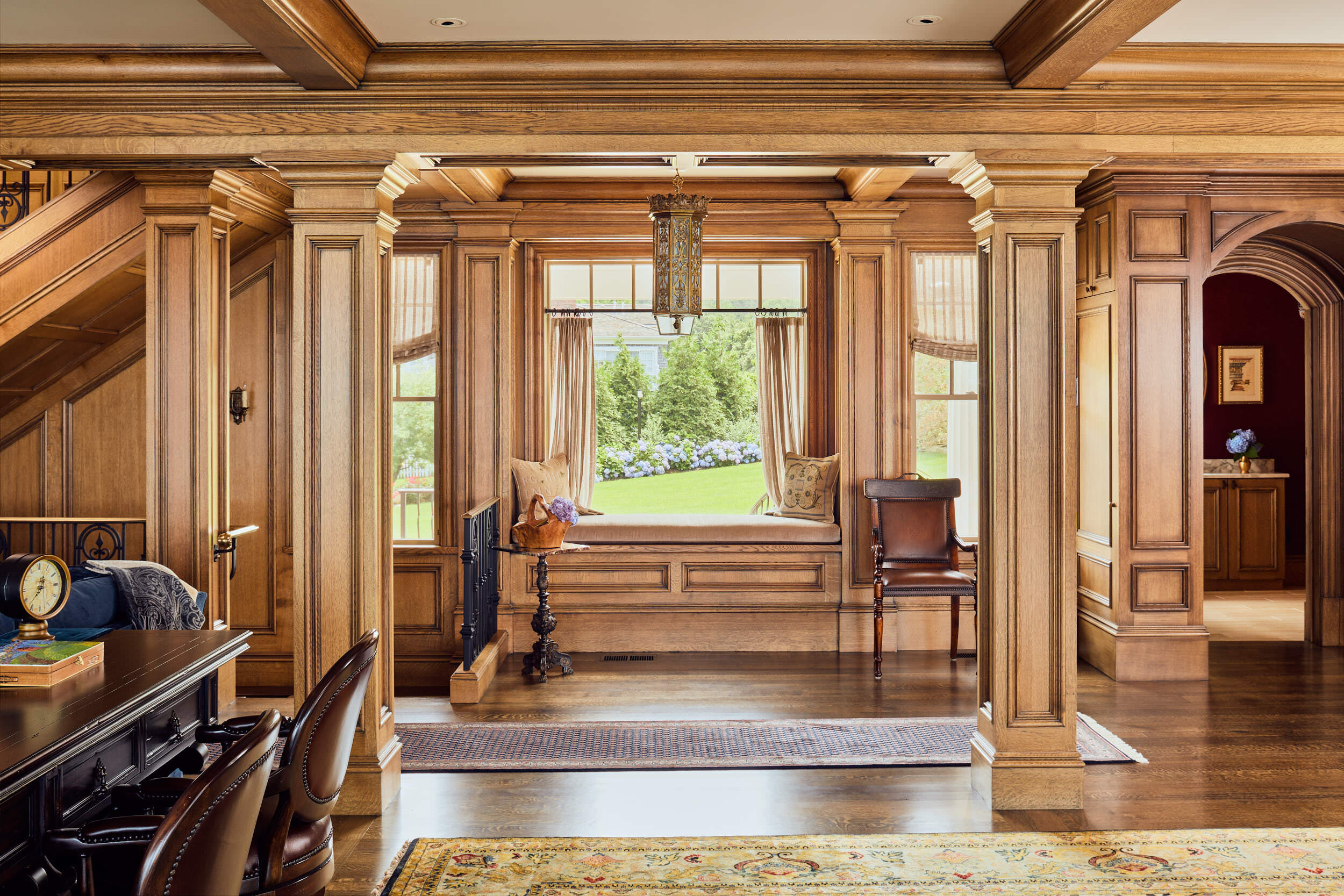
Applied Form & Space Architects © Joseph Ferraro
What a photographer perceives their work is worth is an age-old discussion that will vary by market, expertise, business structure, and most clearly confidence in their work. There are no clear standards in the way photographers price or grant terms for the use of their images. Some photographers combine licensing fees with their photography fees for each assignment, calling them "Creative Fees," so seeing a clear price per unit is not generally possible. And, other photographers bill their clients per image for usage rights.
What a photographer considers in pricing their work should include factors that separate them from the pack with value-added services. Such distinctions could consist of implementing more advanced camera technologies, showcasing more years of service as compared to their competitors, or by providing more efficient services than their competitors. Also, a photographer's locale and general knowledge of how their competitors price their work will indicate the market value of images. By maintaining a sustainable business model, a photographer can predictably work for the same clients year after year and create a protected habitat for their competitors.
A Dedicated Approach

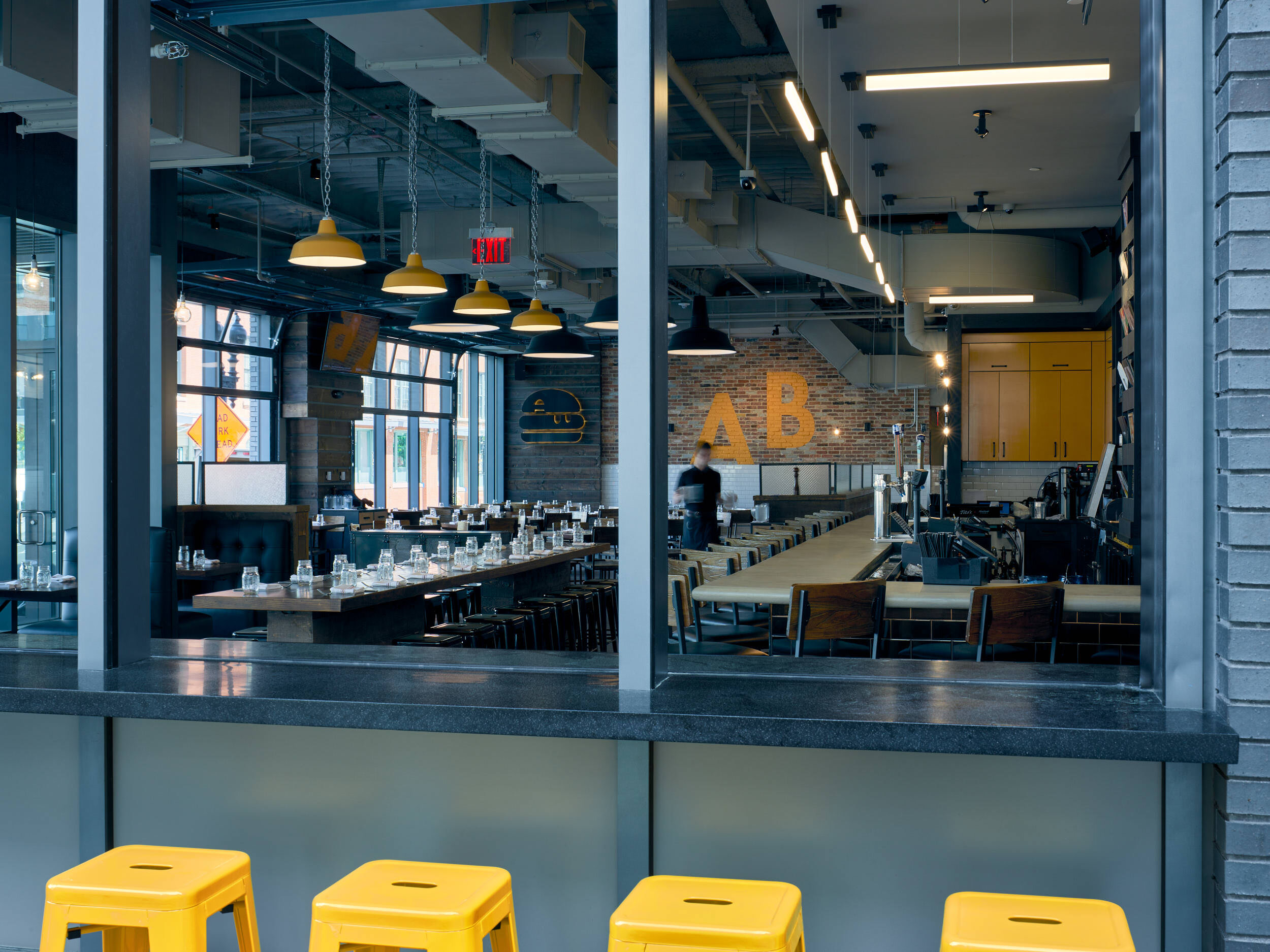
A&B Burgers, Causeway St. for Boston Urban Partners © Joseph Ferraro
As my business grows, I have more assignments that now include multiple parties buying-in on projects from the start. By combining my fees into a Creative Fee and granting generous licensing terms, I can more easily distribute costs between all parties buying-in on a shoot and make the administrative end of my business streamlined and more uncomplicated for everyone involved.
I've included a copy of my estimate paperwork, providing a look at my licensing terms for my clients in the Boston area. Please have a look through my paperwork, as I believe transparency only helps my industry and can make my processes clearer to my future clients. If you have any questions, please don't hesitate to reach out by emailing me at hello@josephferraro.com or calling 617-335-8925.
Stay tuned for Part Two of this topic, where I'll cover Copyright and how I enforce my licensing agreements with my clients and protect my business.
Attachment: Assignment Estimate